
The Fading Horizon in Monte Walsh's World
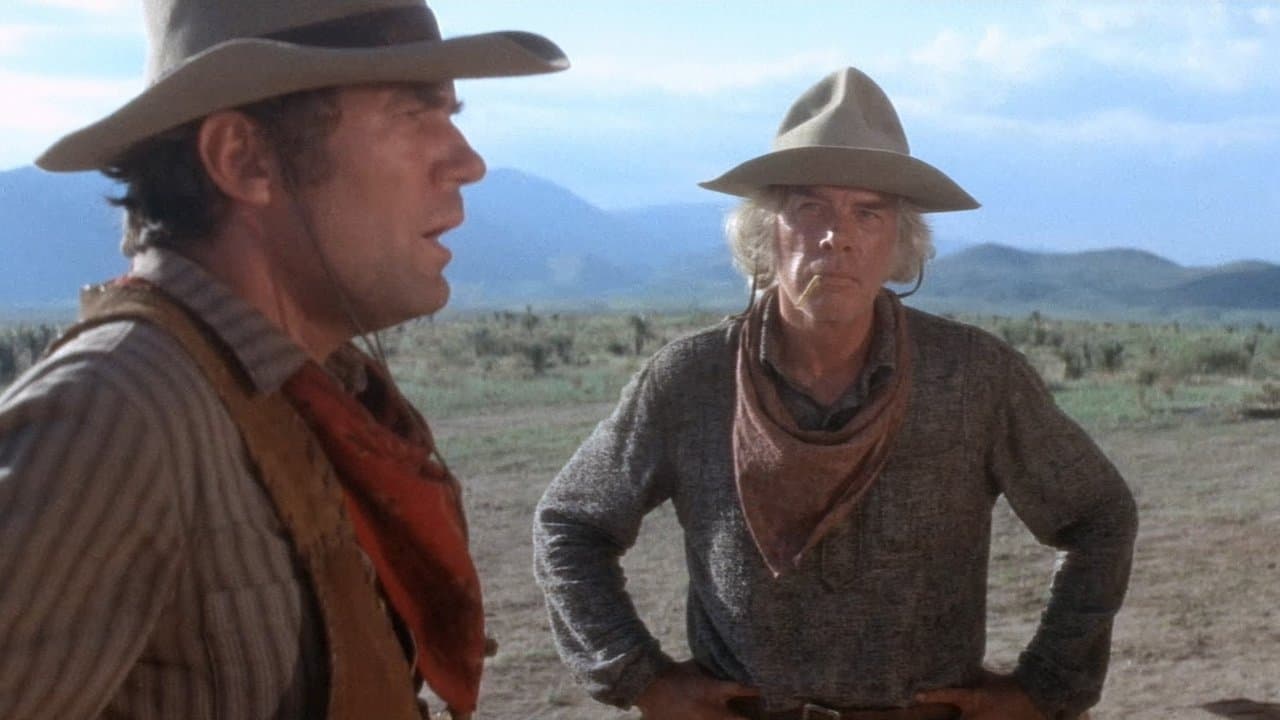
Monte Walsh transports viewers to Harmony, Arizona, in a pivotal era when the vast, untamed American West was rapidly shrinking. This 1970 Western isn't a celebration of frontier heroics, but rather a somber reflection on the inevitable march of progress and its human cost. At its heart are Monte Walsh, portrayed with a weary resilience by Lee Marvin, and his steadfast friend, Chet Rollins, brought to life by Jack Palance. These two aging cowboys have spent their lives under the open sky, their days dictated by cattle drives and the rhythm of the range. However, the world around them is changing, with barbed wire fences dissecting the once-endless prairies and railways diminishing the need for their traditional skills. Their very existence, once so essential, is facing systematic dismantlement, leaving them to confront a future where their way of life is becoming obsolete. On Movie OTT, we often highlight films that offer a deeper look into historical periods, and Monte Walsh certainly fits that bill.
Behind the Camera and Stars of Monte Walsh
The creation of Monte Walsh marked a significant directorial debut for William A. Fraker, an acclaimed cinematographer stepping into the director's chair for the first time. Produced by Cinema Center Films, this thoughtful Western premiered in 1970, running for a tight 99 minutes. Fraker, known for his visual prowess, brought a stark, almost melancholic beauty to the Arizona landscapes, perfectly complementing the film's elegiac tone. Leading the charge, Lee Marvin delivers a performance that's both stoic and deeply vulnerable as Monte Walsh (a role that feels tailor-made for his rugged screen presence). Joining him is the equally iconic Jack Palance as Chet Rollins, whose portrayal adds a layer of fraternal warmth and shared despair to the narrative. The film also features the talented Jeanne Moreau, adding a touch of European sophistication to the frontier setting. While Monte Walsh borrows its name from Jack Schaefer's 1963 novel, the film notably diverges from the book's plot, charting its own course as a poignant, character-driven tragedy. The opening credits are graced by the evocative song "The Good Times Are Comin'," performed by Mama Cass, with music and lyrics by the legendary John Barry and Hal David, immediately setting a wistful mood. With an IMDb rating of 6.292 out of 10, it's clear the film resonated with many viewers, even if it wasn't a blockbuster. As entertainment editors for Movie OTT, we recognize the importance of preserving the legacy of such nuanced films.
The Enduring Appeal and Themes of Monte Walsh
What makes Monte Walsh stand out in the crowded genre of Westerns is its unwavering focus on the human cost of progress, rather than glorifying gunfights or grand adventures. It's a film about watching your world disappear, a theme that resonates powerfully even today. Lee Marvin, in particular, anchors the film with his portrayal of Monte, capturing the quiet dignity and underlying sorrow of a man whose skills are no longer valued. His performance isn't flashy; it's deeply felt. Jack Palance, as his friend Chet, provides a crucial counterpoint, embodying the shared struggle and camaraderie that defines their bond. The film masterfully explores the emotional landscape of obsolescence, as seen through the eyes of men like Monte and Chet, who are forced to confront the harsh realities of fenced-in lands and dwindling opportunities. As critic John Chard noted, it truly captures "the era of the cowpoke coming to an end." The narrative delves into the challenges of finding work and the desperate measures some out-of-work cowboys are driven to, alongside the pursuit of companionship and love amidst such uncertainty, as highlighted by reviewer Wuchak. This film isn't just a Western; it's a tragedy, a melancholic poem about the twilight of an era—particularly for those who lived it. The thing nobody mentions is how beautifully Fraker frames the stark Arizona landscape, turning it into another character, a silent witness to the changes.
Streaming Monte Walsh: Your Guide to Online Availability
For those eager to experience the poignant tale of Monte Walsh, finding it online is simpler than you might think. This classic Western is currently available across major OTT services, making it accessible to a wide audience. Whether you subscribe to one of the premier streaming platforms or prefer transactional video-on-demand, you'll likely find Lee Marvin's seminal performance ready for viewing. Our comprehensive "Where to Watch" widget at the top of this very page, which Movie OTT tirelessly maintains, provides up-to-the-minute details on every platform where Monte Walsh is streaming, renting, or available for purchase. We want you to spend less time searching and more time watching, a core mission of Movie OTT.
Frequently asked questions
Q: Who directed the 1970 film Monte Walsh?
Monte Walsh was directed by William A. Fraker, marking his debut as a feature film director. Prior to this, Fraker was a highly respected cinematographer, and his visual expertise is evident throughout the film.
Q: What is Monte Walsh about?
Monte Walsh is an elegiac Western centered on two aging cowboys, Monte Walsh (Lee Marvin) and Chet Rollins (Jack Palance), as they struggle to adapt to the end of the open range era. The film explores themes of obsolescence and the fading American West.
Q: Is Monte Walsh based on a book?
Yes, the film Monte Walsh takes its name from a 1963 Western novel by Jack Schaefer. However, the movie significantly deviates from the book's original plot, creating its own distinct narrative.
Q: What is the official tagline for Monte Walsh?
The official tagline for Monte Walsh is: "Monte Walsh is what the West was all about." This tagline perfectly encapsulates the film's theme of portraying the true, sometimes melancholic, spirit of the cowboy era.
A Timeless Western: Why You Should Watch Monte Walsh
If you appreciate Westerns that offer more than just action—films that delve into character, theme, and the quiet heartbreak of change—then Monte Walsh is an absolute must-watch. It's not a film to watch for high-octane thrills, but for its profound emotional depth and stunning performances, particularly from Lee Marvin and Jack Palance. This film serves as a powerful elegy to a bygone era, offering a contemplative look at what it means to be left behind by progress. For anyone interested in the human side of history, or simply a beautifully shot, understated drama, this 1970 classic remains incredibly relevant. You'll find yourself pondering its themes long after the credits roll.