
The Story of Ten Seconds to Hell
Ten Seconds to Hell opens in the rubble of post-war Berlin, where a crew of German prisoners of war faces an impossible assignment: locate and disarm the countless bombs and booby traps buried beneath the city's devastated landscape. It's a race against time and conscience. The film follows these ex-soldiers as they navigate the physical dangers of their work while grappling with their past allegiances and an uncertain future. Director Robert Aldrich crafts a narrative where every mission could be the last, and trust becomes as fragile as the explosives they're handling. What makes the premise compelling isn't just the ticking-clock mechanics—it's the moral weight carried by men trying to rebuild themselves in the ashes of a defeated nation.
Behind the Making of Ten Seconds to Hell
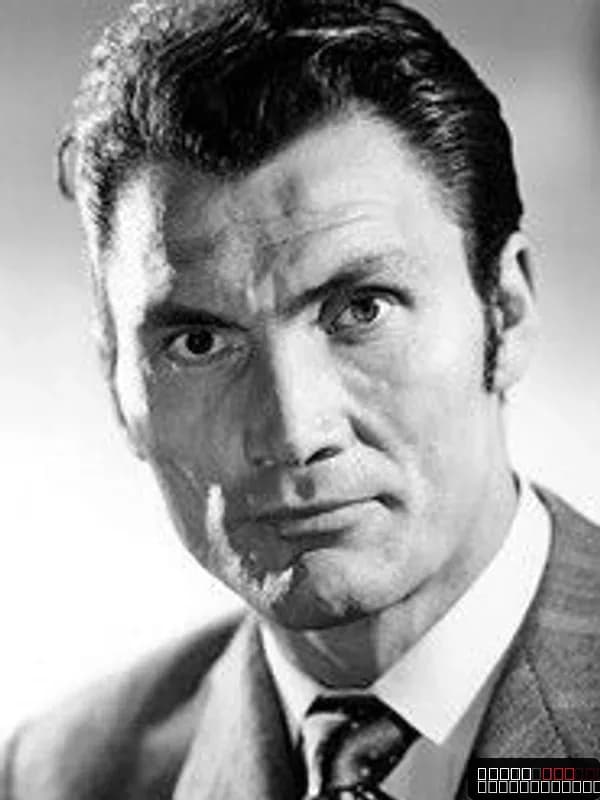
Ten Seconds to Hell emerged from a 1959 collaboration between Hammer Films and UFA, the legendary German studio, making it a rare transatlantic production during the Cold War era. Director Robert Aldrich, already known for his gritty approach to action and character work, adapted Lawrence P. Bachmann's novel The Phoenix for the screen. The casting of Jack Palance and Jeff Chandler as the central figures was a deliberate choice—both actors carried the gravitas needed for men bearing the weight of recent history. Palance, with his sharp, angular presence, and Chandler, whose charisma could soften even the hardest dramatic moment, complemented each other in ways that elevated the material beyond simple war-movie mechanics.
The film was rated Approved by the MPAA, allowing it broad audience access despite its darker thematic elements. Martine Carol rounded out the principal cast, bringing European sophistication to a role that could've been one-dimensional in less capable hands. The production itself was a logistical feat—filming in the actual ruins of Berlin lent an authenticity that studio sets simply couldn't replicate. There's something about watching actors navigate real rubble, real shadows, real geography of destruction that changes how the viewer processes the tension on screen. The 94-minute runtime keeps the narrative lean and propulsive, never letting the audience settle into comfort.
What Makes Ten Seconds to Hell Stand Out
What's striking about Ten Seconds to Hell is how Aldrich refuses to make this a simple redemption arc or a straightforward action vehicle. Instead, he's interested in the friction between men—the way proximity to danger either bonds people or fractures them. The performances carry real weight here. Palance doesn't play the hero; he plays a man trying to survive, which is subtly different and far more interesting. Chandler brings a weary intelligence to his role, the kind of actor who can communicate volumes through a glance or a pause. The chemistry between them suggests years of shared trauma without ever spelling it out in dialogue.
The film's IMDb rating of 6.5/10 from 1,241 votes tells you something worth considering—it's not a crowd-pleaser, but it's the kind of movie that appeals to people who appreciate craft over spectacle. Aldrich was always more interested in character under pressure than in pyrotechnics for their own sake, and that sensibility runs through every frame. The bomb-disposal sequences have a genuine procedural tension; you're not watching Hollywood heroics, you're watching men try not to die while doing a job nobody else wants. I keep coming back to how the film treats its German characters—not as villains requiring redemption, but as human beings caught in history's machinery, trying to make something of themselves in its aftermath. That's a more nuanced approach than most Hollywood productions of the era were willing to take.
Where to Stream Ten Seconds to Hell Online
Finding Ten Seconds to Hell is straightforward if you know where to look. The film is currently available on Prime Video, making it accessible to anyone with an Amazon subscription. Movie OTT tracks current streaming availability across major platforms, so you can check the "Where to Watch" widget at the top of this page to confirm it's still there—streaming catalogs shift constantly, and what's available today might not be tomorrow. If you're planning a 1950s war-cinema marathon, Ten Seconds to Hell pairs well with other post-war explorations of guilt and survival, and Prime Video's interface makes it easy to queue up related titles once you're done. The 94-minute runtime also makes it a perfect fit for a weeknight viewing session.
Frequently asked questions
Q: Who directed Ten Seconds to Hell?
Robert Aldrich directed the film in 1959. Aldrich was known for his tough, character-driven approach to action cinema, and Ten Seconds to Hell showcases his ability to extract nuanced performances from his cast while maintaining narrative momentum.
Q: What is Ten Seconds to Hell based on?
The film is based on Lawrence P. Bachmann's novel The Phoenix, adapted for the screen as a British-West German co-production between Hammer Films and UFA.
Q: Where can I watch Ten Seconds to Hell?
Ten Seconds to Hell is currently available on Prime Video. Check the "Where to Watch" widget on this page for the most up-to-date streaming availability, since platforms rotate titles regularly.
Q: Who stars in Ten Seconds to Hell?
Jack Palance and Jeff Chandler lead the cast, with Martine Carol, Robert Cornthwaite, Dave Willock, Wesley Addy, and Virginia Baker in supporting roles. Both Palance and Chandler were established actors bringing serious dramatic credentials to the material.
Q: How long is Ten Seconds to Hell?
The film runs 94 minutes, a lean runtime that keeps the narrative focused and propulsive throughout its exploration of German POWs disarming explosives in post-war Berlin.
Final Thoughts on Ten Seconds to Hell
Ten Seconds to Hell isn't a film that's going to blow you away with spectacle or sentiment. It's a taut, intelligent war drama that trusts its audience to understand the moral complexities simmering beneath the surface. Aldrich's direction, the committed performances from Palance and Chandler, and the real Berlin locations all combine to create something that feels lived-in and authentic. If you're drawn to character-driven cinema, to stories about men under pressure, or to post-war narratives that don't simplify history into good-versus-evil binaries, this is worth your time. It's the kind of film that doesn't demand your attention but rewards it generously.