Actor
Martine Carol
3 films on Movie OTT · Active 1953–1960
Martine Carol was one of the defining screen presences of French cinema in the early 1950s — a performer who built her reputation on a particular brand of sensuality and period glamour that French studios were eager to package and export. Born Marie-Louise Mourer on May 16, 1920, in Saint-Mandé, a commune just east of Paris, she came up through the theater and small film roles before landing the kind of star-making opportunity that, in postwar French cinema, came wrapped in corsets and candlelight.
About Martine Carol
Martine Carol was one of the defining screen presences of French cinema in the early 1950s — a performer who built her reputation on a particular brand of sensuality and period glamour that French studios were eager to package and export. Born Marie-Louise Mourer on May 16, 1920, in Saint-Mandé, a commune just east of Paris, she came up through the theater and small film roles before landing the kind of star-making opportunity that, in postwar French cinema, came wrapped in corsets and candlelight.
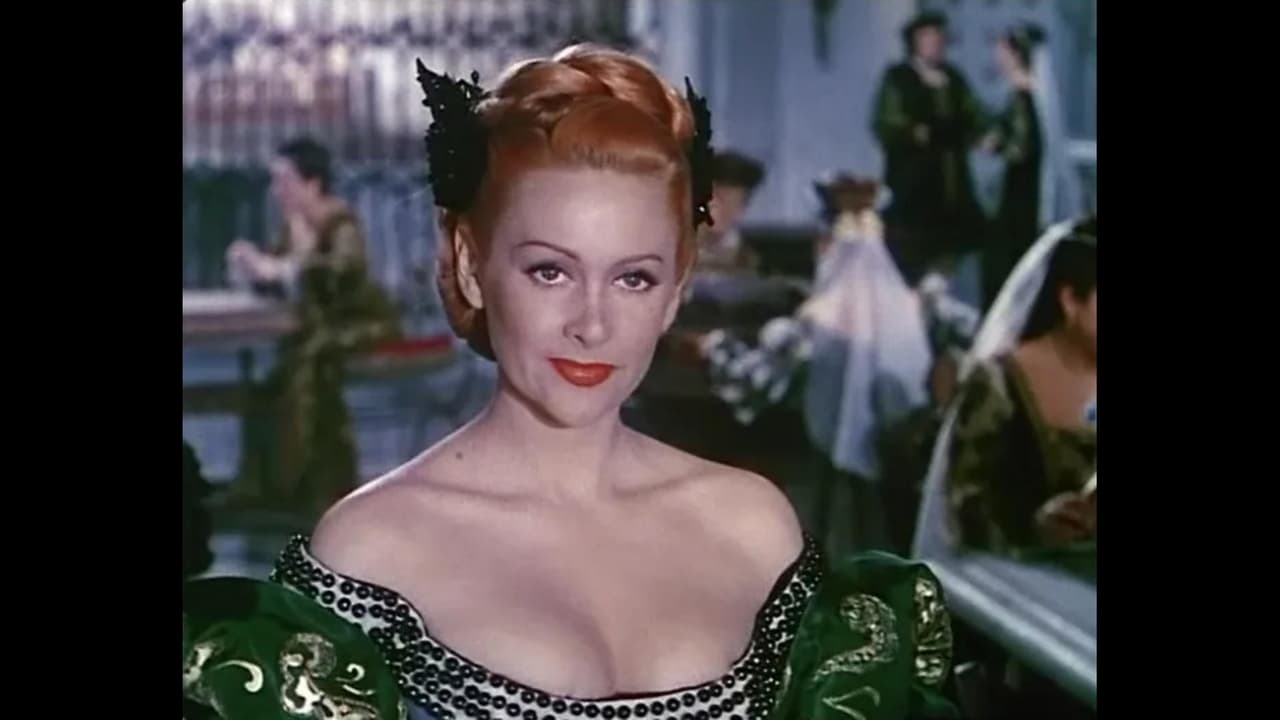
Her breakthrough arrived with a string of period films directed by Christian-Jaque, her collaborator and (for a time) husband, most notably the Lola Montès-adjacent vehicles that cast her as history's most desirable women. Lucrèce Borgia in 1953 and Madame du Barry in 1954 made her the highest-paid French actress of the period — a genuine box-office draw at a moment when French studios were trying to compete with Hollywood on spectacle. The thing nobody mentions is how hard that kind of stardom actually is to sustain: Carol wasn't just a face on a poster, she was carrying expensive productions on her name alone, in a country still rebuilding its film industry from the rubble of occupation and compromise. What's striking is how those films hold up not as great cinema exactly, but as a very specific kind of professional achievement — lavish, controlled, designed to make one woman the gravitational center of every frame.
Her working relationship with Christian-Jaque shaped the bulk of her most commercially successful years, but she wasn't confined to that partnership. Max Ophüls cast her in Lola Montès in 1955, a film that's now considered one of the masterworks of European cinema — and Carol's performance in it, playing a woman whose life has been reduced to spectacle, carries a strange, self-aware weight that her earlier vehicles don't quite have. It's as if the role gave her permission to acknowledge the machinery around her.
By the late 1950s, the French industry had moved on. Brigitte Bardot had arrived and changed the terms of what French female stardom looked like — less classical, more volatile, harder to package — and Carol found herself navigating a different kind of career. She took on international co-productions, the kind of mid-budget genre work that was keeping a lot of European talent employed as Hollywood studios sought cheaper locations and foreign faces. Ten Seconds to Hell, released in 1959, is a good example of that trajectory: a Robert Aldrich-directed thriller set in postwar Berlin, built around a group of bomb-disposal experts, with Carol in a role that asked her to hold her own opposite Jack Palance and Jeff Chandler. It's not a film that gets discussed much now, but it's a competent, tense piece of genre filmmaking, and her presence in it signals a willingness to work in English-language productions on terms that were frankly less favorable than what she'd commanded five years earlier.
Hard to say if Ten Seconds to Hell represented a genuine pivot or just a pragmatic booking — the late-1950s co-production world was full of those. What it does show is a performer adapting. Carol died in 1967, which means her career arc ended before she had the chance to benefit from the critical reappraisal that came for many of her contemporaries. She doesn't quite fit the auteur-cinema story that critics prefer to tell about French film of that era, and she's not obscure enough to be a cult figure. Somewhere in between, which is maybe the most honest place for her to sit.
Currently streaming
1 of 3 on platforms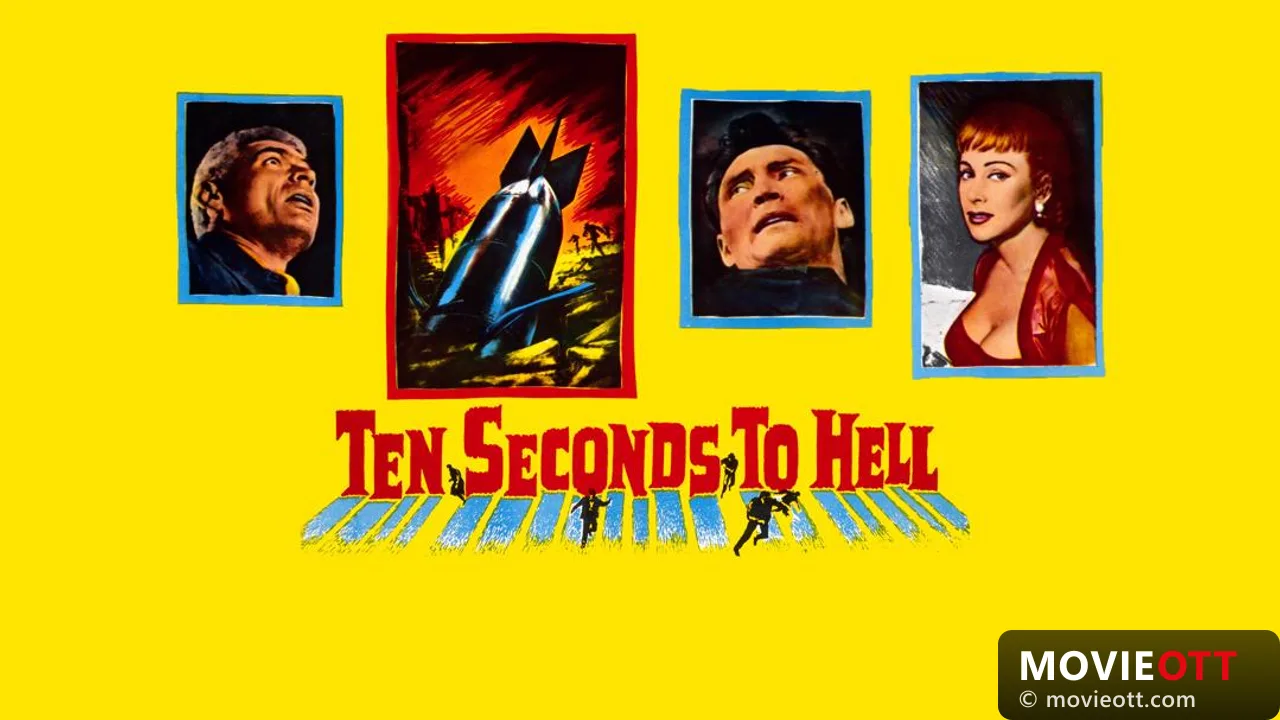
Filmography
Frequently asked questions
When and where was Martine Carol born?
Martine Carol was born 1920-05-16 in Saint-Mandé, Seine [now Val-de-Marne], France.
What films is Martine Carol known for?
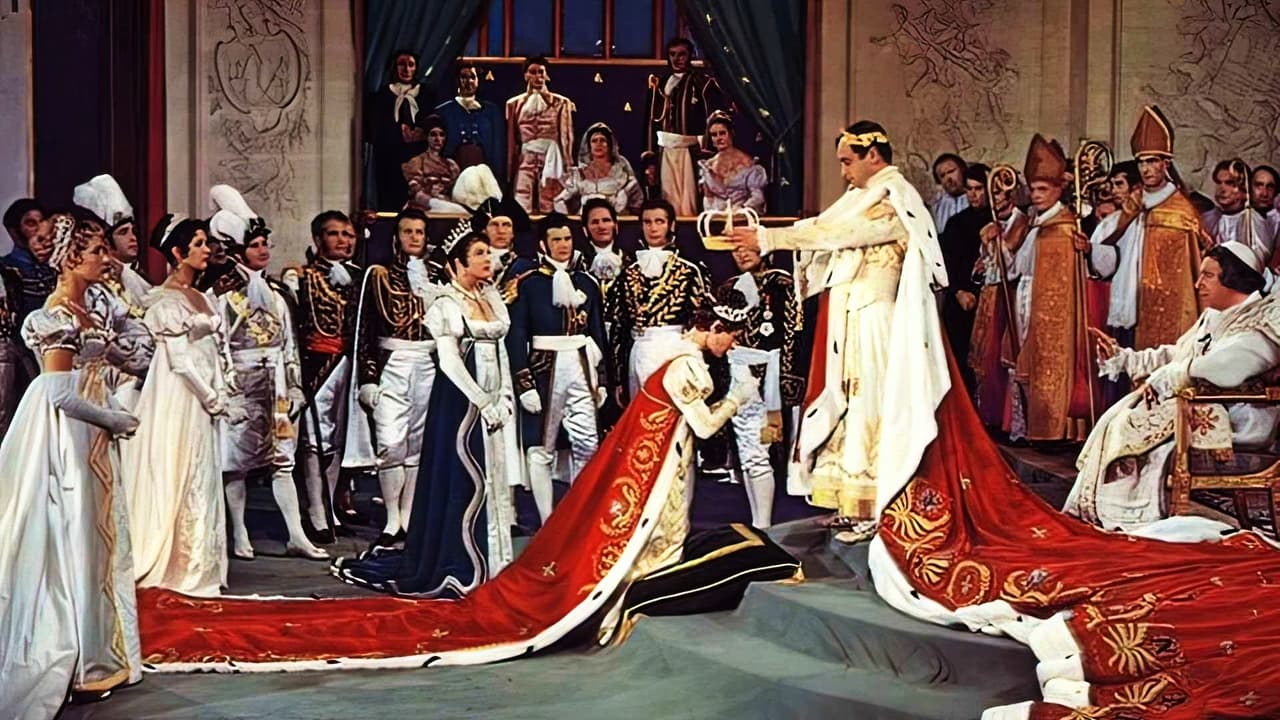
Martine Carol has 3 titles indexed on Movie OTT, including The Battle of Austerlitz, Ten Seconds to Hell, Lucrèce Borgia.
Where can I watch Martine Carol's films?
1 of Martine Carol's films are currently streaming, available on Prime Video.
How long has Martine Carol been active?
Martine Carol's film career on Movie OTT spans from 1953 to 1960 — 7 years of work.