What Conversation with Fritz Lang Reveals About Cinema's Golden Age
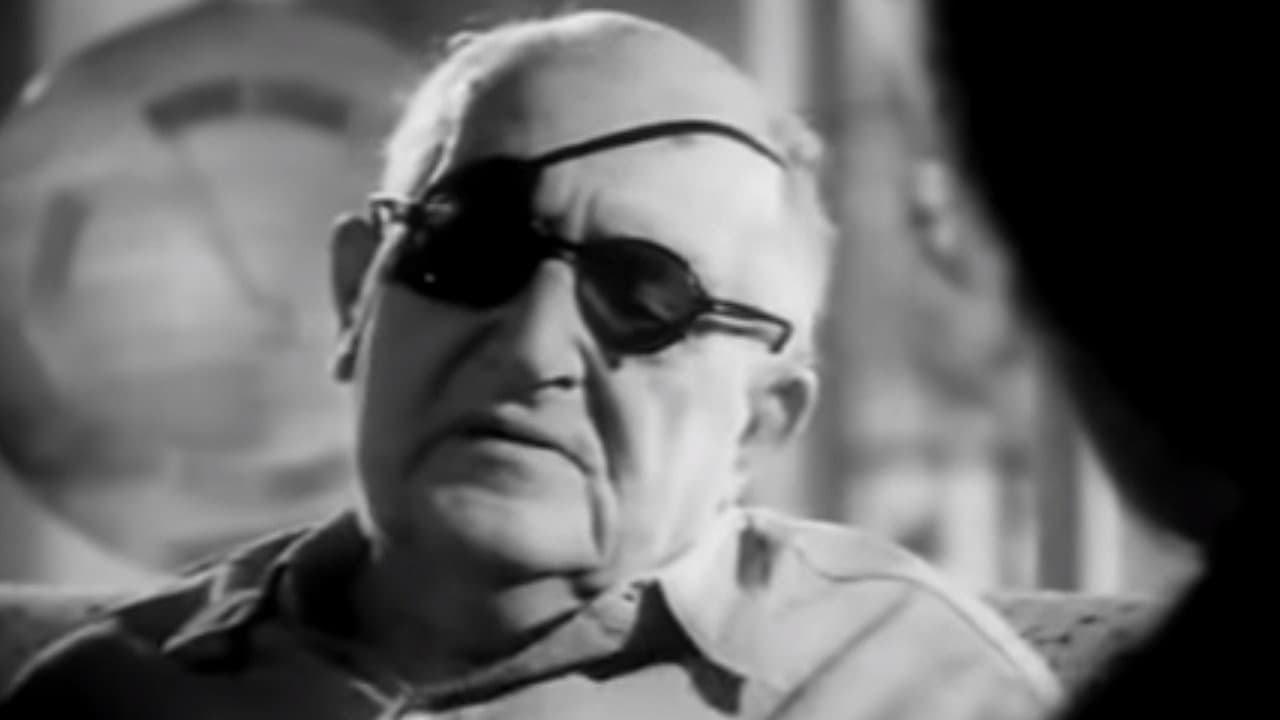
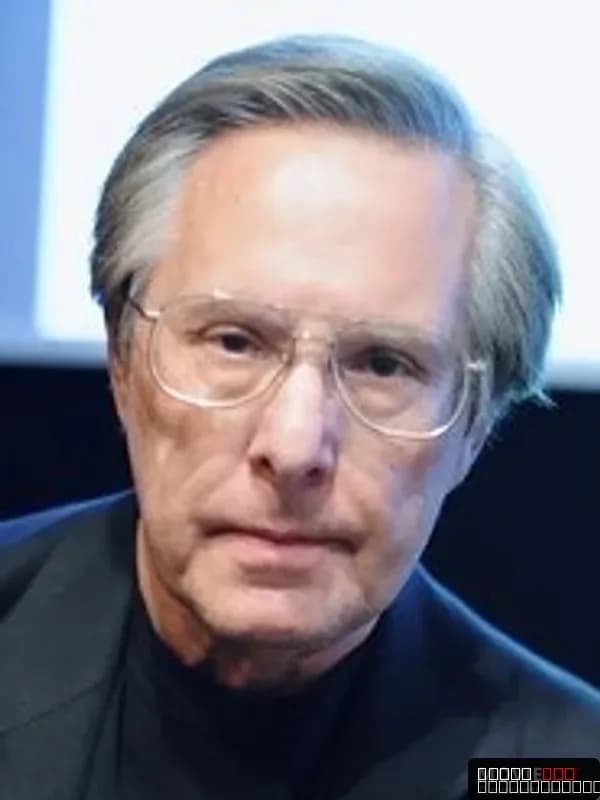
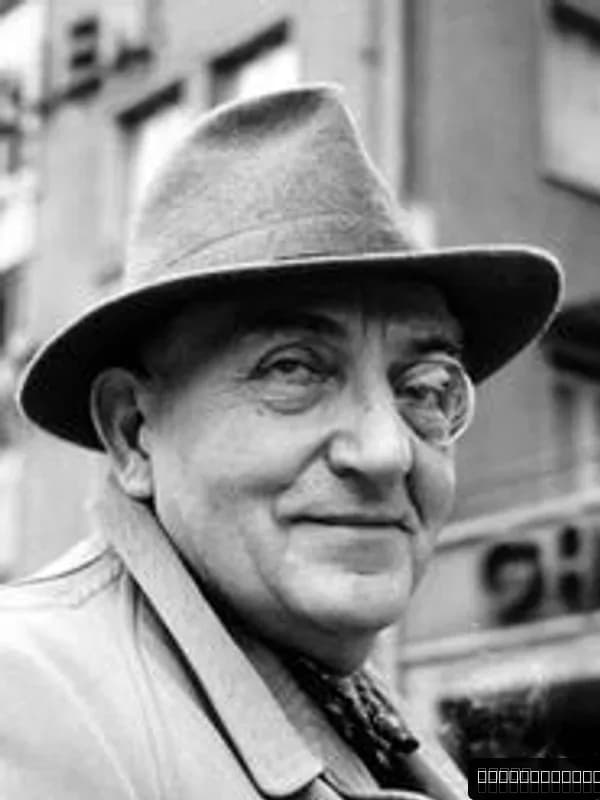
Conversation with Fritz Lang documents one of the most significant encounters in cinema history: American director William Friedkin's extended interview with Austrian-born master Fritz Lang, conducted on February 21st and 24th, 1975. For 140 minutes, these two filmmakers — separated by generations but united by a passion for the visual language of cinema — engage in what amounts to a masterclass in directorial philosophy. Lang, then in his mid-eighties, reflects on a career spanning from silent Expressionism through Nazi Germany, exile in Hollywood, and his final films made in Germany after his return from America. Friedkin, riding high after the success of The French Connection and The Exorcist, approaches the conversation with genuine reverence, asking the questions only someone who understands the craft could formulate. This isn't a typical celebrity interview. It's a working director interrogating a legend.
Behind the Making of Conversation with Fritz Lang
The documentary arrived at a pivotal moment in both men's careers. Friedkin had just completed The Exorcist in 1973 and was establishing himself as one of Hollywood's most technically ambitious young directors. Lang, having returned to Germany in the 1950s after his Hollywood years, had largely faded from American consciousness — though cinephiles and serious film students never forgot him. The decision to film this conversation was itself significant; Friedkin recognized that Lang's insights were irreplaceable, and he wanted to capture them for posterity. The February 1975 recording sessions were conducted with a documentary's restraint rather than a talk-show's glitz. No studio audience, no artificial staging — just two men in conversation, cameras rolling steadily. What makes the timing particularly poignant is that Lang died on August 2nd, 1976, less than eighteen months after these sessions. This conversation became one of his final major interviews, a last testament to his thinking about cinema. The documentary holds an IMDb rating of 7.091/10, reflecting its reputation among film historians and serious cinema enthusiasts who've tracked it down over the decades. It's the kind of film that circulated in film schools and archives long before streaming made it widely accessible.
Why Conversation with Fritz Lang Stands as Essential Cinema History
What makes this documentary essential isn't just Lang's stature — though that matters enormously. It's that Friedkin asks questions that dig past the mythmaking. He pushes Lang on specific creative choices, on the technical innovations Lang pioneered, on how the director navigated the moral complexities of making art under Nazi rule. Lang doesn't shy away. He discusses his films with the precision of someone who's spent decades thinking about every frame, every cut, every decision about light and shadow. The thing nobody mentions is how much this feels like two craftsmen speaking the same language — there's no condescension from Friedkin toward the elder statesman, no fawning either. It's professional respect between artists. You can hear Lang's accent, his occasional pauses as he searches for the right English word, the way his voice carries the weight of someone who's seen cinema transform from silent intertitles to Technicolor spectacle to the New Hollywood moment Friedkin represents. The documentary captures something rare: a master not performing, not rehearsing anecdotes, but genuinely reflecting. I keep coming back to how grounded the whole thing feels — no dramatic music, no archival footage montages, just the conversation itself as the substance. Movie OTT tracks where you can access this kind of archival cinema alongside contemporary releases, making it easier to find documentaries like this that might otherwise require hunting through specialty distributors.
Where to Stream Conversation with Fritz Lang Online
Conversation with Fritz Lang is available across major OTT services, though availability varies by region and subscription tier. The documentary's presence on streaming platforms represents a significant shift in how archival cinema reaches audiences — even five years ago, this film was primarily available through film festivals, archives, and specialty DVD releases. Today, you can find it on several major streaming services that prioritize documentary and arthouse content. Check the Where to Watch widget at the top of this page for current availability in your region, as streaming rights shift regularly. If you're serious about film history and director interviews, it's worth hunting down on whichever platform currently carries it in your area. This isn't a film that'll disappear from the conversation — it's foundational material for anyone studying cinema or interested in how directors think about their craft.
Frequently asked questions
Q: Who directed Conversation with Fritz Lang?
William Friedkin, the American director of The French Connection and The Exorcist, conducted and filmed the interview. Friedkin was in his mid-thirties at the time, already an established figure in New Hollywood, and he brought his technical expertise and genuine curiosity to the project.
Q: When was Conversation with Fritz Lang recorded and released?
The interview sessions took place on February 21st and 24th, 1975. Fritz Lang died less than eighteen months later on August 2nd, 1976, making this one of his final major interviews before his death.
Q: How long is Conversation with Fritz Lang?
The documentary runs 140 minutes, giving substantial time for Friedkin and Lang to explore topics in depth rather than rushing through a highlights reel. It's a genuine extended conversation, not a condensed interview.
Q: Is Conversation with Fritz Lang available to stream?
Yes, it's currently available on major OTT services. Availability varies by region and platform, so check the Where to Watch widget on this page to see where you can access it right now.
Q: What topics do Friedkin and Lang discuss?
The conversation ranges across Lang's entire career — his early silent films, his work in Weimar Germany, his experience under Nazi rule, his Hollywood years, and his later films made after returning to Germany. Friedkin asks about technical filmmaking choices, creative philosophy, and the historical contexts that shaped Lang's work.
Final Thoughts on Conversation with Fritz Lang
Conversation with Fritz Lang isn't entertainment in the conventional sense. It won't give you jump scares or plot twists. What it offers is rarer: direct access to one of cinema's architects explaining how he built his vision. Friedkin's documentary captures Lang at an age when reflection comes naturally, when a filmmaker can look back across seventy years of cinema and speak with authority about what endures and what doesn't. If you care about film as an art form, if you're curious about how directors think, or if you want to hear from someone who literally invented techniques still used today — this conversation is essential viewing. It's a gift, really, that Friedkin had the foresight to record it.