



The story of Rules of Engagement
Rules of Engagement opens with a rescue mission gone catastrophically wrong. When the U.S. embassy in Yemen comes under siege, a Marine unit led by Colonel Terry Childers is dispatched to evacuate the ambassador and protect American personnel. What unfolds is a firefight that leaves dozens of civilians dead — and Childers facing charges of murder. The film doesn't shy away from the moral quicksand: Was this a justified defensive action, or a war crime? The question haunts everyone involved, especially when a National Security Advisor decides that hanging Childers out to dry might be politically expedient. That's where the real conflict begins. An old friend and fellow Vietnam veteran, military lawyer Colonel Hodges, is reluctantly drawn into defending the man he once trusted with his life. It's a setup that pits loyalty against duty, friendship against the law, and the messy realities of combat against the clean logic of a courtroom.
Behind the making of Rules of Engagement
Director William Friedkin — the man behind The French Connection and The Exorcist — took the helm for this 2000 release, bringing his trademark intensity to what could've been a generic courtroom procedural. The screenplay came from Stephen Gaghan, working from a story by Jim Webb, a former Secretary of the Navy who understood military protocol from the inside out. That pedigree matters. The film cost money to make and earned $61.3 million at the box office, a solid return that reflected genuine audience interest in the material, even if critics were divided.
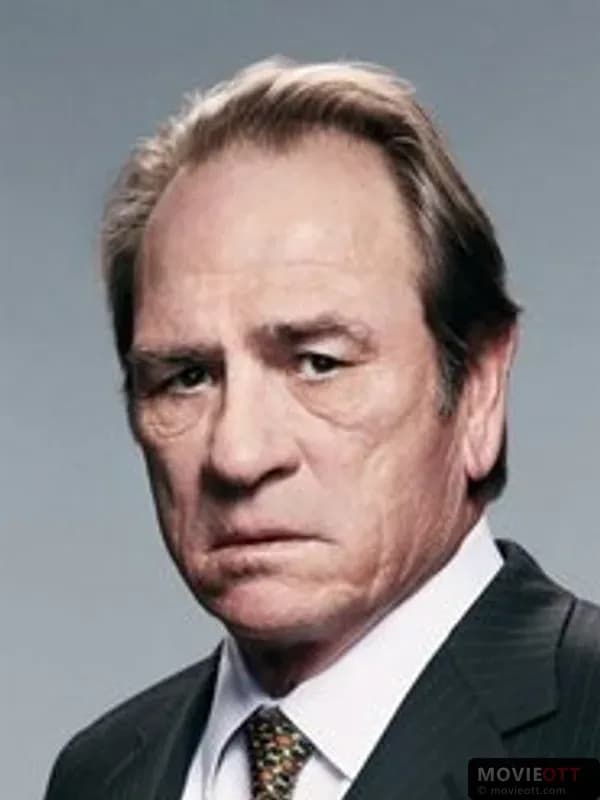
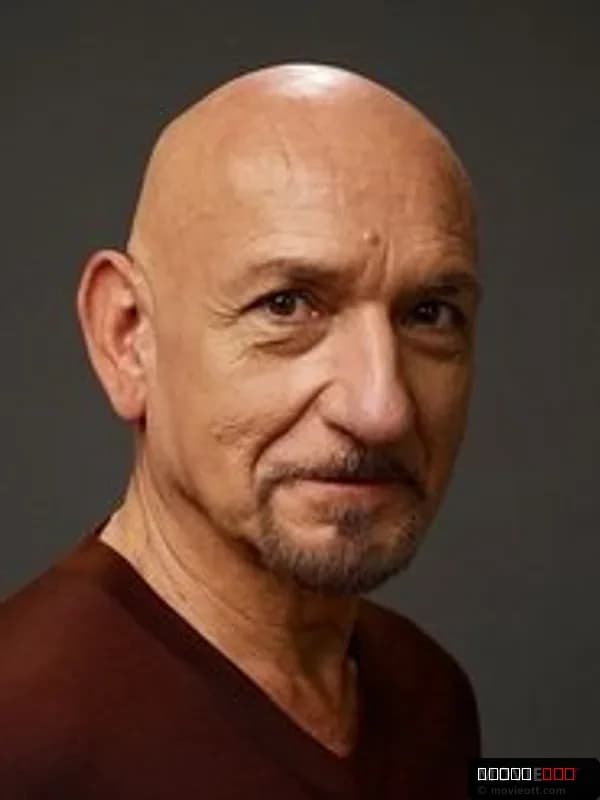
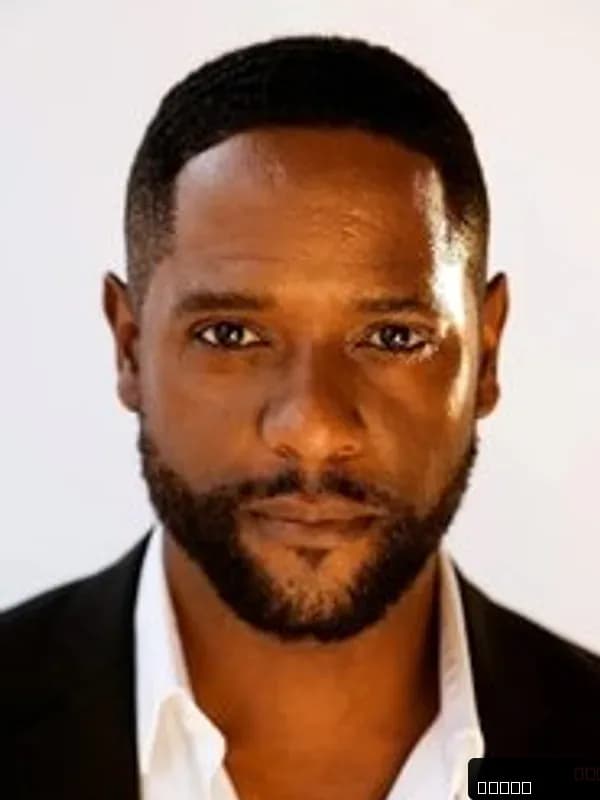
The cast alone signals ambition. Tommy Lee Jones, fresh off The Fugitive's cultural dominance, anchors the defense as Hodges. Samuel L. Jackson — already a megastar by 2000 — plays Childers with a coiled intensity that makes you believe he's a man backed into a corner. Supporting them is Ben Kingsley as the U.S. Ambassador, Bruce Greenwood as the calculating National Security Advisor, and Guy Pearce as a Marine who witnessed the whole thing. Anne Archer and Blair Underwood round out a roster that wouldn't have been assembled for a film without serious studio backing. The MPAA rated it R for violence and language, which seems right given the combat sequences and the raw tension of the court scenes. Critics weren't kind — Rotten Tomatoes landed it at 36%, while Metascore gave it 45/100 — but the film earned one win and two nominations across various awards bodies, suggesting that some industry figures saw something worth recognizing beneath the surface.
What makes Rules of Engagement stand out
What's striking is how the film refuses easy answers. This isn't a patriotic flag-waver, though some reviewers accused it of leaning that way — and it's not an anti-war screed either. It's genuinely caught between two truths: soldiers making split-second decisions under fire deserve some moral latitude, and civilians deserve not to be killed. The thing nobody mentions is how well Jones and Jackson play off each other. There's a real history between these characters, a bond forged in Vietnam that makes their collision in the courtroom feel personal in a way that lifts the whole film above standard legal drama. Jackson in particular carries the weight of Childers' moral ambiguity. He's not innocent, exactly. He's not guilty either. He's a man who made a call that seemed right in the moment and has to live with the consequences.
The courtroom sequences crackle with genuine tension — partly because Friedkin knows how to build pressure, and partly because the script keeps throwing curveballs. A witness testimony shifts the narrative. A classified document gets declassified. The fog of war becomes literal as well as metaphorical. I keep coming back to a scene where Jackson's Childers sits alone in a holding cell, staring at nothing, and you see the weight of command responsibility crush something inside him. That's the film at its best — not lecturing about the rules of engagement, but showing what happens when a soldier has to live with the rules he followed.
Where to stream Rules of Engagement online
Rules of Engagement is currently available to stream on Paramount+. If you're tracking where movies land across different platforms, Movie OTT keeps a running database of what's available where, so you can find this and thousands of other titles without hunting through your apps. The film's 122-minute runtime makes it a solid evening watch — long enough to develop real stakes, short enough that it doesn't overstay its welcome. The Where to Watch widget at the top of this page will show you all current streaming options, so you can jump in whenever you're ready.
Frequently asked questions
Q: Who directed Rules of Engagement?
William Friedkin, the legendary director of The French Connection and The Exorcist, helmed this 2000 war drama. His fingerprints are all over the film's relentless pacing and moral ambiguity.
Q: Is Rules of Engagement based on a true story?
The film isn't based on a specific real event, though screenwriter Stephen Gaghan drew inspiration from actual military court-martial cases and the complexities of rules of engagement in real combat zones.
Q: What's the runtime of Rules of Engagement?
The film runs 122 minutes, giving it enough time to develop both the combat sequence and the courtroom drama without feeling bloated.
Q: Why did Rules of Engagement receive mixed reviews?
Critics felt the film simplified complex geopolitical and moral questions into a more straightforward courtroom drama, and some saw it as leaning too heavily on patriotic sentiment rather than genuine moral inquiry.
Q: Where can I watch Rules of Engagement right now?
You can stream it on Paramount+. Movie OTT tracks current availability across streaming platforms, so check the Where to Watch widget to confirm it's still available in your region.
Final thoughts on Rules of Engagement
Rules of Engagement isn't perfect — the reviews made that clear — but it's more ambitious than it gets credit for being. It asks hard questions about command responsibility, loyalty, and the gap between military necessity and civilian harm. Tommy Lee Jones and Samuel L. Jackson deliver performances that anchor the whole enterprise, and William Friedkin's direction keeps the tension wound tight. If you're interested in war films that don't settle for simple answers, or legal dramas that dig into genuine moral complexity, this one's worth your time. It's a film that respects its audience enough to leave them unsettled.