
12 Angry Men (1997): Why Friedkin's Remake Still Matters
You've got 117 minutes and a locked jury room. Eleven men want to convict. One refuses. That's the entire film — and it's all you need.
William Friedkin's 1997 remake of 12 Angry Men (for Showtime) doesn't feel like a made-for-TV production trying to coast on legacy. It feels like a director who made The French Connection and The Exorcist decided to strip drama down to its absolute core and see what happens when you trust the material and the cast completely. What emerges is tense, uncomfortable, and — honestly — more relevant now than it probably was the year it aired.
The Setup: One Holdout Changes Everything
The premise is deceptively simple. A murder trial ends. The jury deliberates. Eleven jurors are ready to send a young man to prison. The twelfth isn't convinced — not because he thinks the defendant is innocent, but because the case feels rushed, the evidence feels thin, and nobody's actually stopped to question their assumptions. What follows is 117 minutes of men forced to sit with their own prejudices, their certainties, and the terrifying possibility that they're wrong.
Here's what strikes me about Friedkin's approach: he doesn't open the story up cinematically. No flashbacks to the crime scene. No dramatic reenactments. Just men in a sweltering room, talking. The camera stays close. The heat feels real. And somehow that constraint becomes the whole point — the jury room becomes a pressure cooker where there's nowhere to hide.
Cast That Justifies the Remake
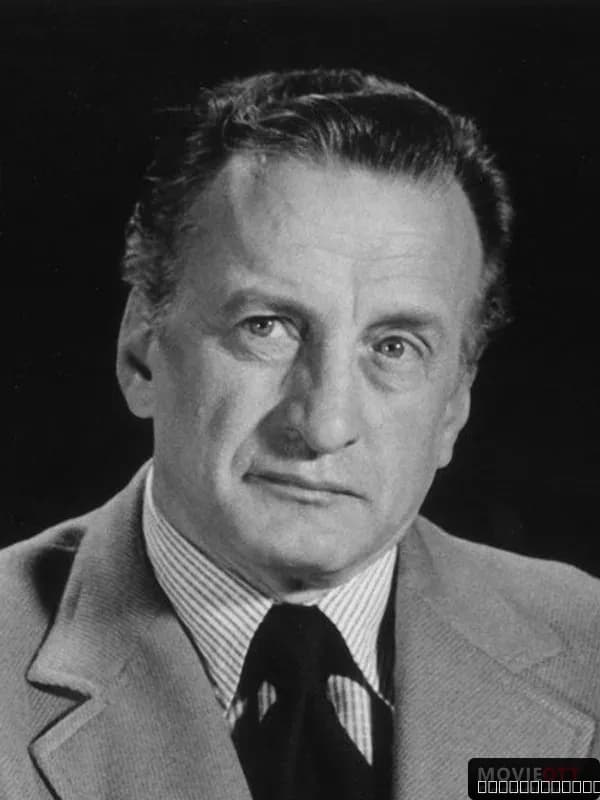
George C. Scott anchors the film as Juror No. 3, the bullying, belligerent force who wants blood and doesn't care much for subtlety. He's genuinely unpleasant for long stretches — and he's brilliant at it. There's a moment late in the film where his composure cracks, where something wounded flashes underneath the aggression, and Scott handles it without a single false note. That's the kind of acting that makes you forget you're watching a remake of a remake of a play.
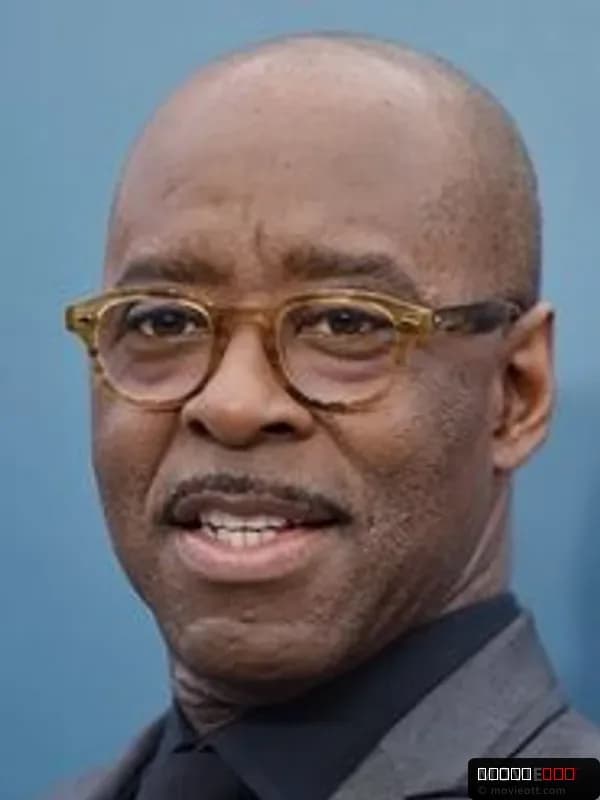
Courtney B. Vance does something harder: he plays restraint. His dissenting juror doesn't grandstand. He asks questions. He listens. He waits — and that patience somehow reads as more radical than any outburst could be.
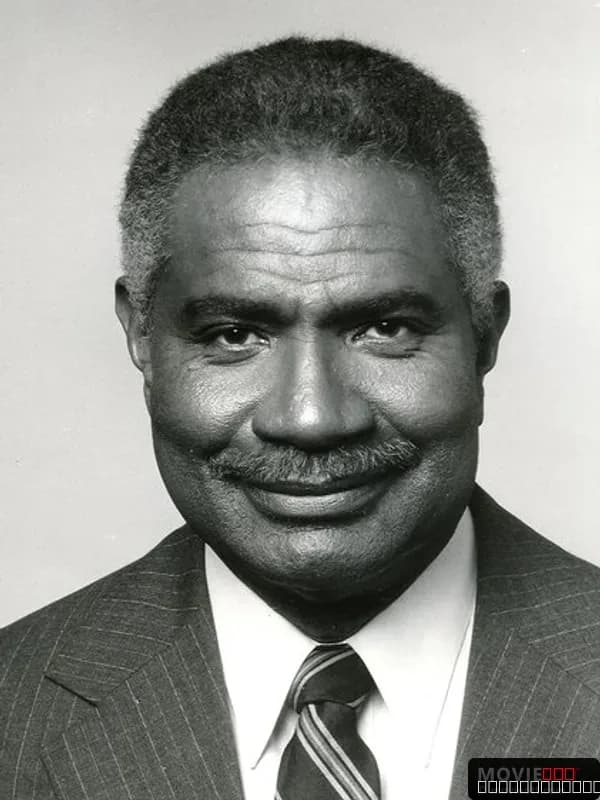
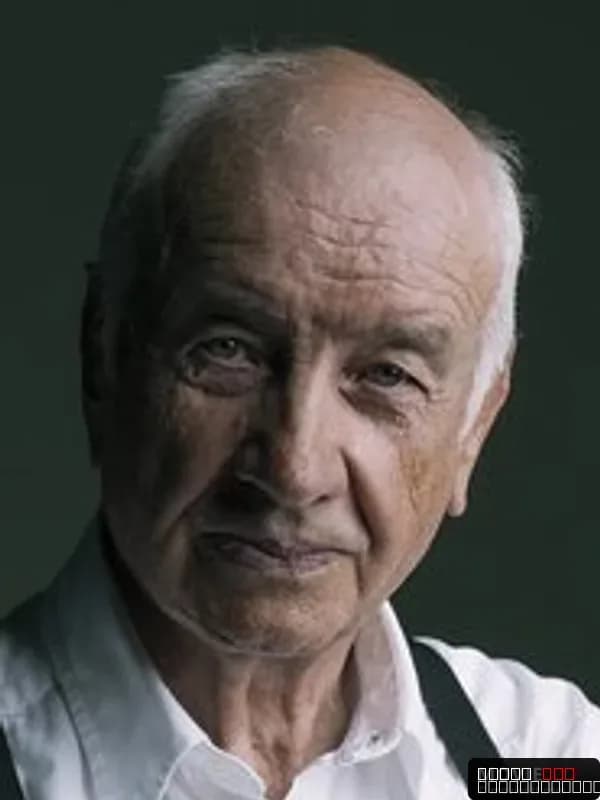
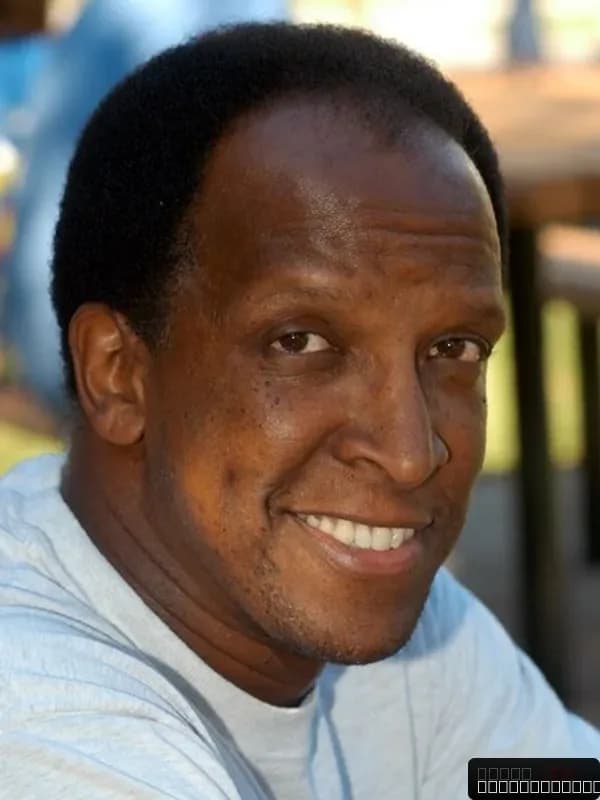
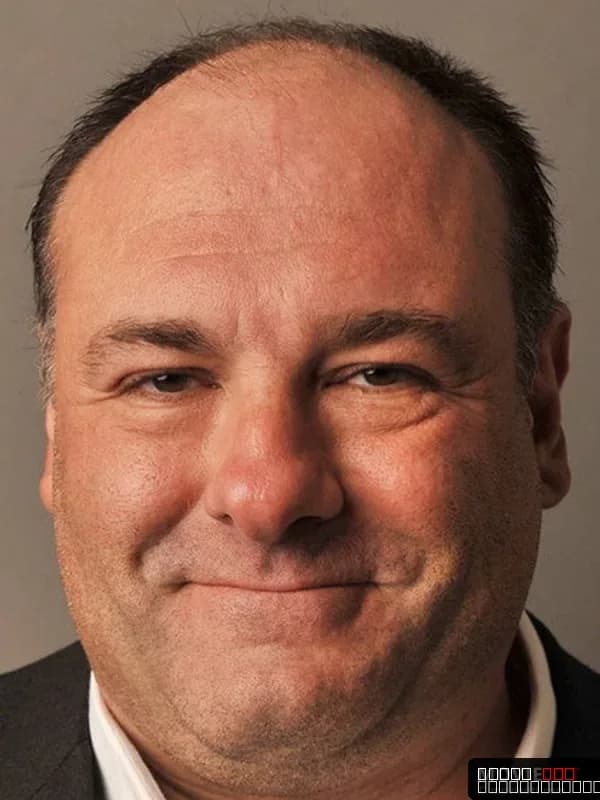
The ensemble also includes James Gandolfini (years before The Sopranos made him iconic), Armin Mueller-Stahl, Ossie Davis, Dorian Harewood, and Tony Danza. It's the kind of cast that suggests someone — in this case Friedkin — wasn't interested in phoning anything in.
The film won 2 Primetime Emmy Awards out of 7 total wins across various ceremonies, and it holds a 93% Fresh rating on Rotten Tomatoes. That's not just respectable for a TV-movie remake. That's legitimately strong. IMDb sits at 6.8/10, which reflects a broader audience that's sizing it against the untouchable 1957 Lumet version — a comparison that's somewhat unfair to both films.
Why the 1997 Version Feels Different
Reginald Rose wrote the original teleplay back in 1955. Sidney Lumet directed the 1957 film, which became canonical. Friedkin's 1997 version keeps Rose's core text but casts it with a racially diverse ensemble — and that changes the texture of the entire story. The prejudices on display aren't abstract anymore. They're personal. They're visible. When one juror dismisses another's perspective because of his race or background, the film isn't letting you pretend it's just about "logic" or "evidence."
That's not to say the 1957 version doesn't deal with prejudice — it absolutely does. But there's something about watching this in 1997, with a cast that reflects actual America, that makes the themes feel less like a lesson and more like a mirror.
If you've only seen Lumet's version, Movie OTT's streaming tracker can help you find both — watching them back-to-back is genuinely one of the better film-study exercises you can do at home. Each film earns its place.
Where to Watch — and Why It's Worth Your Time
The 1997 version is rated PG-13 and runs 117 minutes — short enough for a single sitting, substantial enough that you'll feel like you've actually spent time with these characters. The drama is entirely psychological. There's no graphic violence, no jump scares, no subplots. Just conversation. For that reason, it's accessible for older teens and adults, though the themes of prejudice and systemic failure are mature enough that they're worth discussing afterward.
You can find current streaming availability on Movie OTT, which tracks where this film and similar titles are available across platforms in real time. TV movies from the late '90s sometimes move between services, so checking there beats hunting through three different apps.
The Real Question: Should You Watch?
Hard to say if this fully eclipses Lumet's 1957 masterpiece — probably not. But it doesn't need to. Friedkin's version stands on its own terms, and for a film this relentlessly focused on the human capacity for both prejudice and change, that's more than enough.
The performances are lived-in. The themes don't feel dated — if anything, they feel sharper. And George C. Scott's unraveling is worth the price of admission alone. Stream it tonight, or add it to your queue for a weekend you want to spend thinking about something that matters.