








Unpacking the Groundbreaking Story of Woman in the Moon
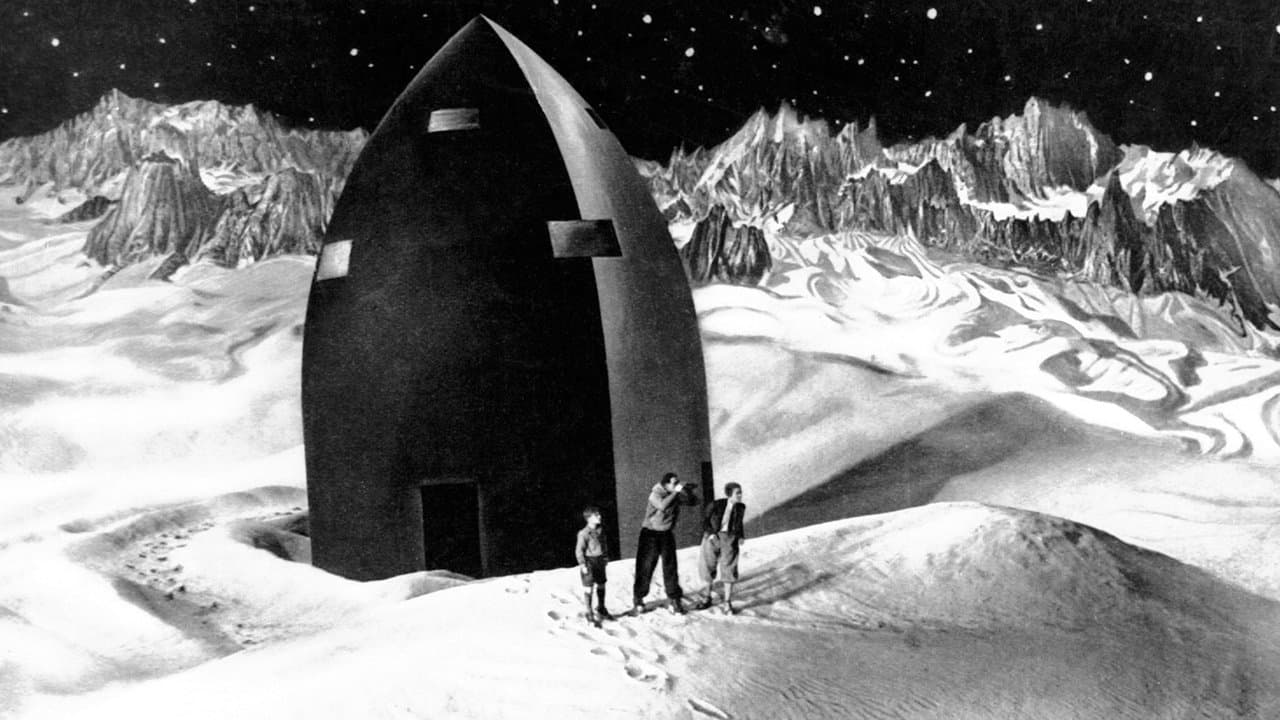
The groundbreaking story of Woman in the Moon plunges audiences into a thrilling speculative future, where the dream of space travel is on the cusp of becoming reality. At its heart is Professor Georg Manfeldt, a visionary scientist ridiculed for his belief in lunar gold. His conviction, however, draws the attention of an unscrupulous cartel leader, determined to exploit the moon's riches. Soon, a sophisticated multi-stage rocket is constructed, preparing for an unprecedented journey to Earth's celestial neighbor. But as a diverse crew — including Manfeldt, a daring engineer, a resourceful businesswoman, and a nefarious spy — prepares for launch, the confined quarters and the immense stakes quickly ignite a powder keg of rivalry and greed. Their shared ambition to reach the moon becomes a dangerous liability, threatening to sabotage the entire expedition before it even begins.
The Visionary Production Behind Fritz Lang's Woman in the Moon
The visionary production behind Fritz Lang's Woman in the Moon represents a monumental achievement in early cinema, cementing its place as a cornerstone of the science fiction genre. Produced by UFA and Fritz Lang-Film, this German silent film premiered on October 15, 1929, to an eager audience of 2,000 at the prestigious UFA-Palast am Zoo cinema in Berlin. It wasn't just another movie; it was an event. Lang, already a titan of German Expressionism with films like Metropolis, teamed up with his wife, Thea von Harbou, who penned the screenplay based on her 1928 novel, The Rocket to the Moon. Their collaboration resulted in a film often hailed as one of the first truly "serious" science fiction works, moving beyond fantastical elements to ground its narrative in plausible scientific principles.
The film's influence is hard to overstate. It introduced the concept of multi-stage rockets and the countdown sequence to a mass audience for the very first time, ideas that would later become standard in real-world rocketry. Imagine that! The meticulous attention to detail in the rocket's design and the depiction of space travel was revolutionary, earning the film a solid 7.2/10 IMDb rating decades later. Production was an intense affair, spanning from October 1928 to June 1929 at the UFA studios in Neubabelsberg, near Berlin. This lengthy shoot allowed Lang to craft his ambitious vision, employing groundbreaking special effects for the era. While specific box office numbers or contemporary awards aren't readily available for a film of this vintage, its cultural impact speaks volumes. Movie OTT has documented its enduring legacy, noting how its scientific accuracy influenced later generations of rocket scientists, including figures like Wernher von Braun, who allegedly watched the film as a child. It's a testament to its forward-thinking approach.
The Enduring Appeal and Critical Acclaim of Woman in the Moon
The enduring appeal and critical acclaim of Woman in the Moon stem from its masterful blend of speculative science and deeply human drama, a hallmark of director Fritz Lang's genius. What's striking is how Lang manages to convey the awe and peril of space travel without a single spoken word, relying entirely on visual storytelling and the emotive power of his actors. The film explores universal themes: the intoxicating allure of discovery, the corrupting influence of greed, and the inherent rivalries that can undermine even the grandest human endeavors. We see the crew's initial excitement give way to suspicion and conflict, a powerful commentary on how human nature can complicate scientific progress.
Honestly, it's the film's prescience that truly captivates. Lang and von Harbou didn't just tell a story; they essentially wrote a blueprint for future space missions, from the multi-stage rocket concept to the meticulous pre-flight preparations. This commitment to scientific accuracy, unprecedented for its time, lends an incredible gravitas to the narrative. The tension builds relentlessly as the rocket hurtles towards the moon, and the cramped conditions amplify the psychological strain on the crew. I keep coming back to the moment they finally break free of Earth's gravity, gazing back at our blue marble — a truly breathtaking sequence that evokes both wonder and profound isolation. This visual spectacle, combined with the intricate character dynamics, ensures that even at 170 minutes, the film rarely drags. As film historian Siegfried Kracauer noted in his seminal work From Caligari to Hitler, Lang possessed "an uncanny ability to externalize inner states through visual means," a skill perfectly demonstrated here as the characters' internal struggles manifest in the claustrophobic confines of their lunar vessel. It’s a powerful, often uncomfortable, exploration of ambition.
Discovering Where to Stream Woman in the Moon Online
Discovering where to stream Woman in the Moon online is easier than you might think for a film of its vintage. Despite being released nearly a century ago, this pioneering science fiction drama is readily available across major OTT services. Its status as a historical and cinematic landmark ensures its presence on platforms dedicated to classic and world cinema. For exact streaming availability, including rental and purchase options, you'll want to check the "Where to Watch" widget displayed prominently at the top of this page. This feature on Movie OTT is designed to give you the most up-to-date information, ensuring you don't miss out on experiencing this seminal work. Whether you prefer to subscribe to a service or opt for a one-time rental, you'll find options to bring Fritz Lang's moon voyage directly to your screen. Movie OTT consistently updates its listings, so you can always find where to watch your favorite films, classic or contemporary.
Frequently asked questions
Q: Who directed the 1929 film Woman in the Moon? A: Woman in the Moon was directed by the legendary German filmmaker Fritz Lang. He is renowned for his influential works in German Expressionism, including Metropolis and M.
Q: When was Woman in the Moon originally released? A: The film premiered on October 15, 1929, in Berlin, Germany. It captivated audiences with its futuristic vision of space travel just years before the advent of sound in cinema.
Q: What is the runtime of Fritz Lang's Woman in the Moon? A: Woman in the Moon has a substantial runtime of 170 minutes. As a silent film, its lengthy duration allowed for expansive visual storytelling and character development.
Q: What is the main plot of Woman in the Moon? A: The plot centers on a scientist who discovers gold on the moon and builds a rocket to travel there. However, the expedition is fraught with peril due to intense rivalry and greed among the crew members.
Q: Is Woman in the Moon considered a silent film? A: Yes, Woman in the Moon is a German silent film. It stands as a significant achievement in early cinema, particularly for its groundbreaking special effects and scientific accuracy.
Final Thoughts on the Enduring Legacy of Woman in the Moon
Final thoughts on the enduring legacy of Woman in the Moon confirm its status as far more than just a historical curiosity; it's a vibrant, compelling piece of cinema that still holds power today. For anyone with an interest in the origins of science fiction, the evolution of filmmaking, or simply a well-told drama, this film is essential viewing. It’s a testament to human ingenuity and folly, wrapped in a pioneering vision of space. Don't let its age or silent nature deter you; its narrative tension and visual ambition transcend time. We highly recommend experiencing Fritz Lang's Woman in the Moon to witness a true cinematic landmark.