

The story of American Guerrilla in the Philippines
American Guerrilla in the Philippines tells the tense, survival-driven story of U.S. Navy personnel caught on the wrong side of history when Japanese forces invade the Philippine Islands during World War II. Rather than surrender or hide passively, these stranded soldiers make the dangerous choice to organize into guerrilla bands and strike back against occupying forces. The film follows their transformation from conventional military personnel into unconventional fighters, adapting to jungle warfare, limited resources, and the constant threat of discovery. What makes this narrative compelling isn't just the action—it's the moral weight of fighting an enemy that's everywhere and nowhere, where every decision could mean life or death for the unit. The story unfolds with the tension of men who know they're outnumbered but refuse to accept defeat.
Behind the making of American Guerrilla in the Philippines
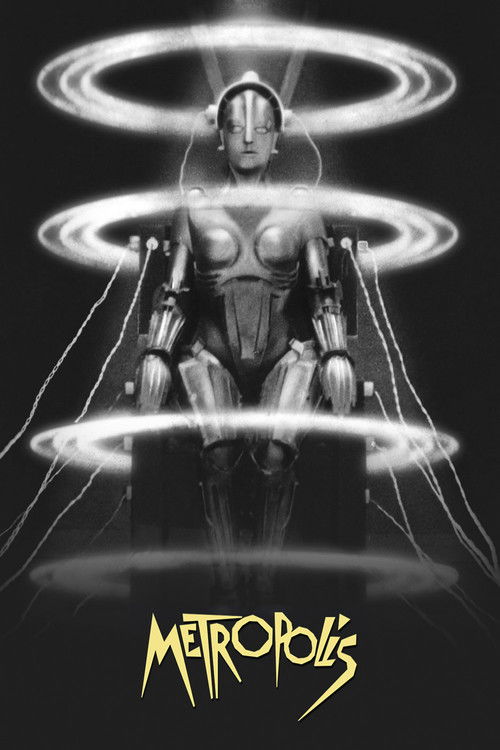
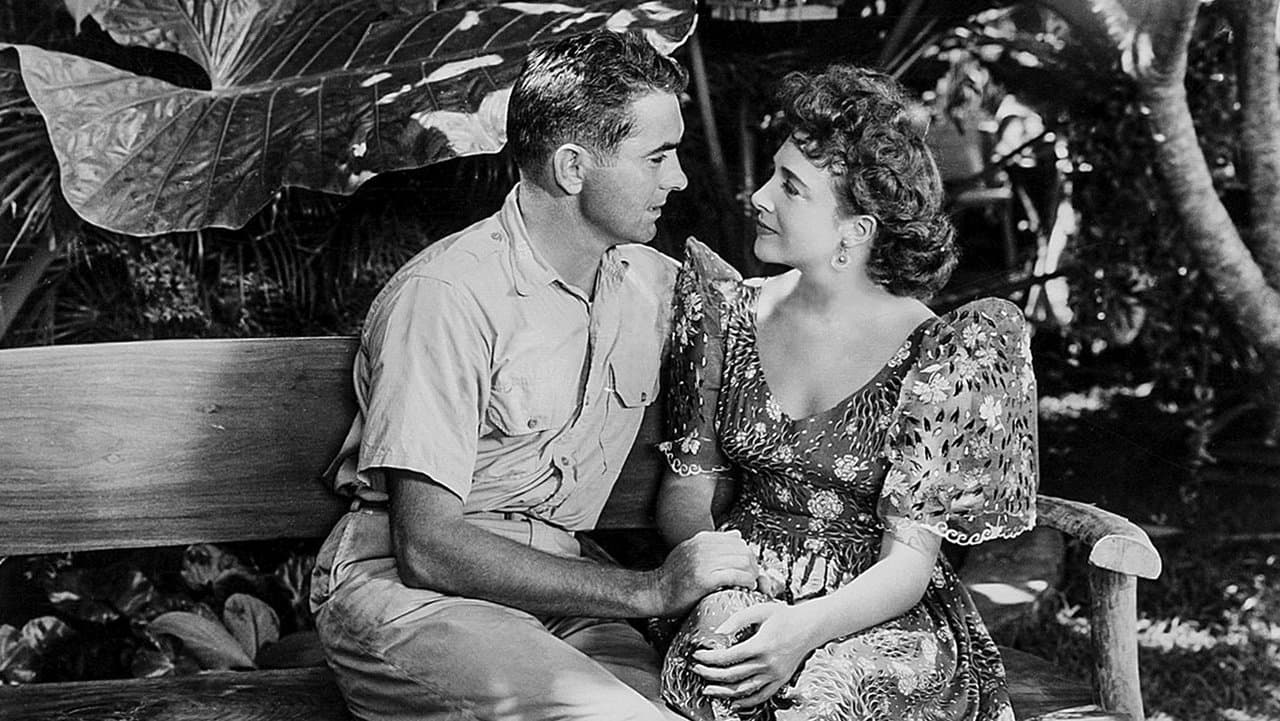
American Guerrilla in the Philippines arrived in 1950 as a product of 20th Century Fox's postwar appetite for authentic war stories. Director Fritz Lang, the legendary German-American filmmaker known for Metropolis and M, brought his distinctive visual style and psychological depth to the material. The film was based on Ira Wolfert's 1945 non-fiction book of the same name—Wolfert had been a war correspondent, which lent the source material journalistic credibility. Tyrone Power, one of Hollywood's most bankable stars at the time, carried the lead role as an ensign navigating the chaos of occupation and resistance. The production team chose to film on location rather than rely on studio sets, a decision that added authenticity to the jungle sequences and combat scenarios. At 105 minutes, the film represents a substantial commitment to storytelling, neither rushed nor indulgent. The Academy Film Archive recognized the film's historical and cultural significance by preserving it in partnership with Twentieth Century Fox in 2001, ensuring that this snapshot of how Hollywood processed the Pacific War would survive for future generations.
What makes American Guerrilla in the Philippines stand out
Look—most war films from this era fall into two camps: either they're flag-waving propaganda, or they're cynical about the whole enterprise. American Guerrilla in the Philippines sits somewhere more complicated. What's striking is how the film treats its characters as people trying to make impossible choices under impossible circumstances, not as heroes or villains but as soldiers adapting to a situation that's constantly shifting beneath their feet. Tyrone Power's performance anchors the film with a quiet intensity; he doesn't deliver grand speeches or heroic monologues, just the steady presence of someone who's learned to survive. The jungle itself becomes almost a character—beautiful and lethal at once, a space where conventional military tactics don't work and improvisation becomes survival. I keep coming back to how the film doesn't shy away from the moral ambiguity of guerrilla warfare. These aren't soldiers fighting on a clearly marked battlefield; they're operating in shadow, and the film acknowledges that shadow work carries its own psychological toll. The pacing, while leisurely by modern standards, allows tension to build naturally rather than relying on constant action beats. Fritz Lang's direction ensures that even quiet moments—a meal shared in hiding, a moment of doubt before a mission—carry weight. The thing nobody mentions is that this film actually captures something true about how wars are fought when you're not winning them conventionally.
Where to stream American Guerrilla in the Philippines online
American Guerrilla in the Philippines is currently available across major OTT services, which means you've got genuine options for how you want to watch it. The specific platforms carrying the film are listed in the Where to Watch widget at the top of this page, updated in real time so you'll always know where it's actually streaming right now. Rather than hunting across five different apps wondering if it's still available, Movie OTT aggregates that information so you can jump straight to watching. Given the film's 105-minute runtime, it's a manageable evening watch—not so long that you need to commit to a weekend binge, but substantial enough that you'll feel like you've experienced something real. Whether you're catching it on your preferred platform or discovering it for the first time, the film holds up as a genuinely interesting piece of mid-century American cinema.
Frequently asked questions
Q: Who directed American Guerrilla in the Philippines?
Fritz Lang, the legendary German-American director known for Metropolis and M, directed the film. Lang brought his distinctive visual and psychological approach to the war story, elevating it beyond typical studio fare.
Q: Is American Guerrilla in the Philippines based on a true story?
Yes, the film is based on Ira Wolfert's 1945 non-fiction book of the same name. Wolfert was a war correspondent, so the source material drew from real accounts of American soldiers operating behind enemy lines in the Philippines.
Q: What is the runtime of American Guerrilla in the Philippines?
The film runs 105 minutes, making it a substantial war drama that takes its time building tension and character rather than rushing through its narrative.
Q: Why was American Guerrilla in the Philippines preserved by the Academy Film Archive?
The Academy Film Archive, in partnership with Twentieth Century Fox, preserved the film in 2001 because of its historical and cultural significance as a postwar examination of Pacific Theater combat.
Q: Where can I watch American Guerrilla in the Philippines right now?
The film is available on major OTT services. Check the Where to Watch widget on this page for current platform availability in your region.
Final thoughts on American Guerrilla in the Philippines
American Guerrilla in the Philippines deserves attention from anyone interested in how Hollywood processed World War II in the immediate postwar years. It's not a perfect film—the pacing won't satisfy viewers accustomed to modern action editing—but it's a thoughtful, well-crafted examination of soldiers adapting to unconventional warfare. Tyrone Power anchors the story with quiet credibility, and Fritz Lang's direction ensures that even the quieter moments carry weight. If you're exploring classic war cinema or want to understand how different eras told stories about combat and survival, this one's worth your time. Stream it where it's available, settle in, and give it the attention it's earned.