

The Story of Ministry of Fear
Ministry of Fear opens with a man stepping back into the world after two years locked away. Stephen Neale's release from a psychiatric hospital should feel like freedom, but the film's first frames suggest otherwise. He's been institutionalized for a mercy killing — his wife's death, an act of compassion that society deemed criminal — and now he's trying to slip back into civilian life in wartime London. That's the setup. What follows is anything but a simple homecoming.
On his journey back to the city, Neale stops at a village fête, an innocent English country gathering. He guesses the weight of a cake correctly and wins it — a small, forgettable victory. Except the cake isn't what it seems. When a fellow passenger steals it from him on the train, Neale realizes he's stumbled onto something larger, darker, and far more dangerous than he could've imagined. A murderous spy ring. Nazi agents. People who'll kill to get what he's accidentally holding. And the worst part? He can't trust anyone to believe him. A man fresh out of an asylum, claiming to be chased by spies. Who'd believe that?
Behind the Making of Ministry of Fear
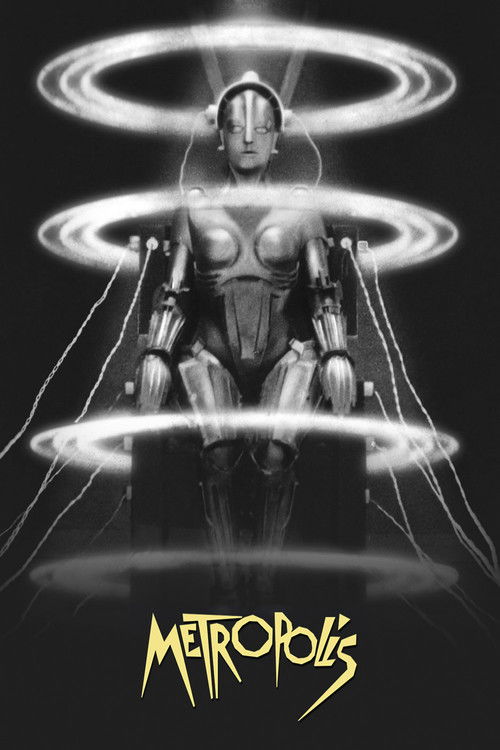
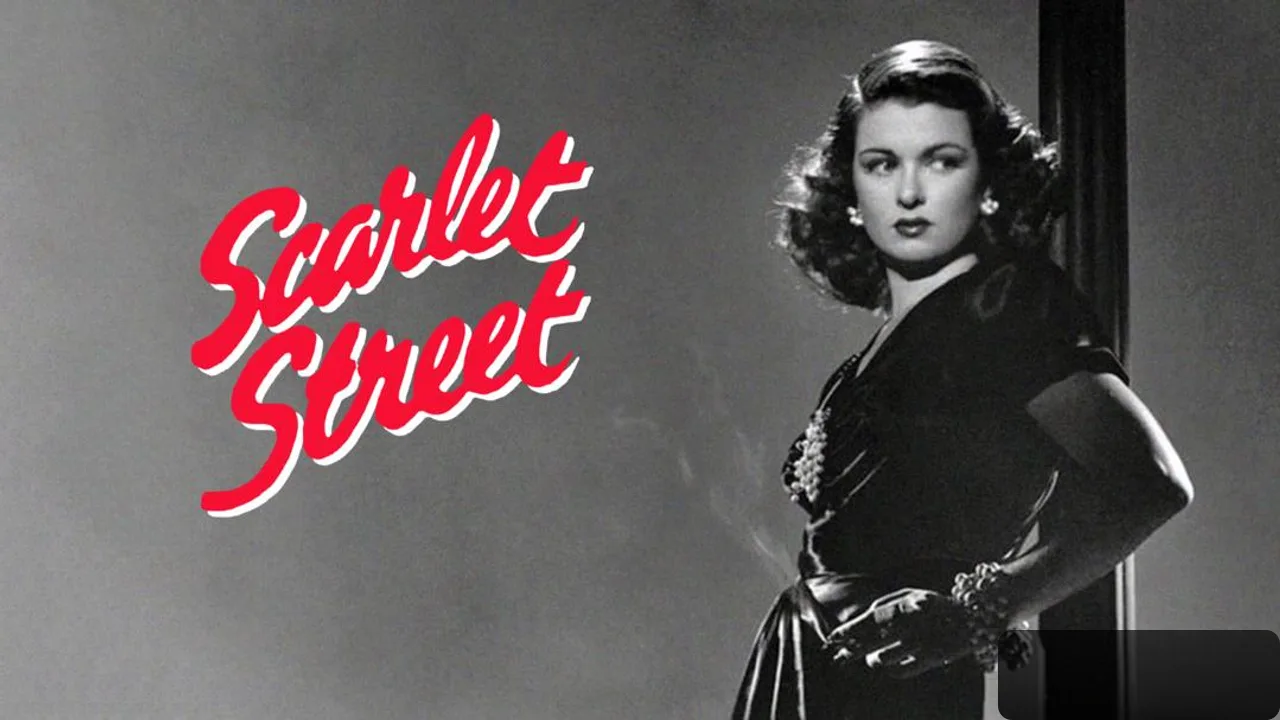
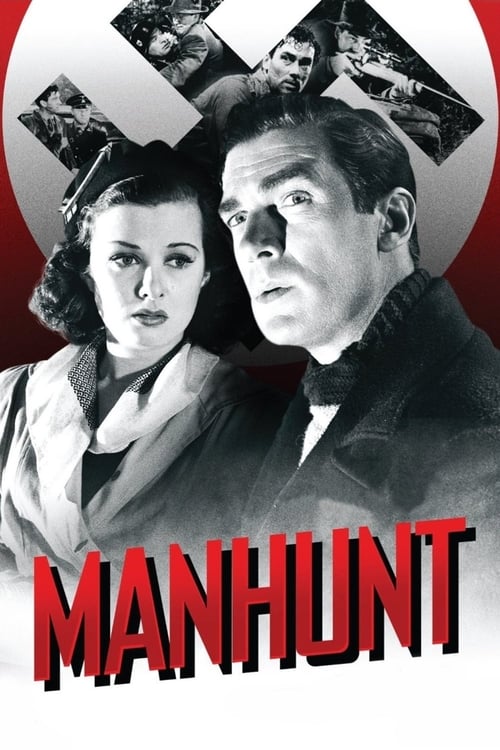
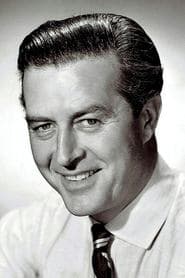
Ministry of Fear arrived in 1944 as an adaptation of Graham Greene's 1943 novel, brought to the screen by director Fritz Lang and screenwriter Seton I. Miller. Lang, the legendary German filmmaker who'd already fled Nazi Germany and built a reputation in Hollywood for his visual mastery and psychological depth, was the perfect choice to navigate Greene's morally murky spy world. Paramount Pictures bankrolled the production, and the studio assembled a solid cast anchored by Ray Milland in the lead role — an actor with considerable range who could play both vulnerability and desperation convincingly.
Victor Young composed the original score, contributing to the film's noir atmosphere. The runtime clocks in at 86 minutes, lean and taut by the standards of the era, which works in the film's favor; there's no room for fat, only forward momentum and mounting dread. Marjorie Reynolds co-stars alongside Milland, adding a layer of romantic tension to the paranoia. The film didn't become a box-office juggernaut — wartime audiences had plenty of spy thrillers to choose from — but it's earned its place in film history as a minor masterpiece of the noir-thriller hybrid. Over the decades, critics and historians have recognized it as one of Lang's most accomplished American works, a film that captures the anxiety of the era without ever feeling dated.
What Makes Ministry of Fear Stand Out
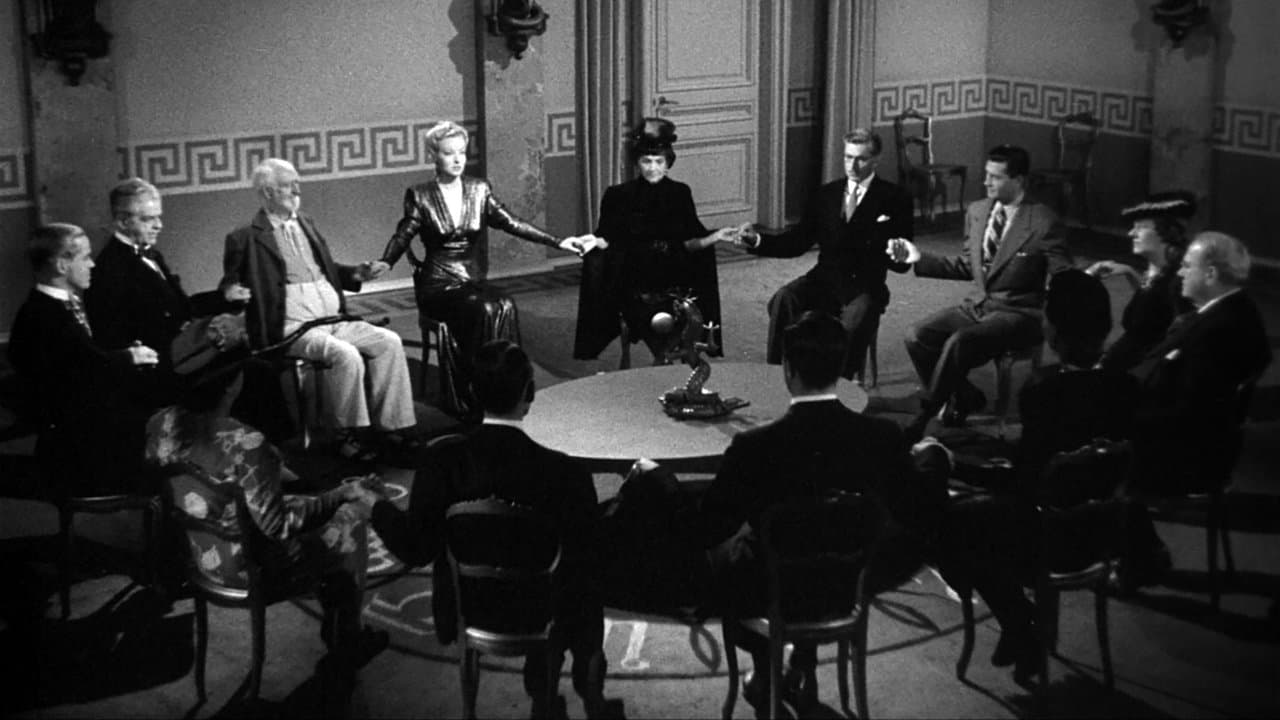
What's striking about Ministry of Fear is how it refuses to let you settle into comfort. Ray Milland's performance is the engine here — he plays Neale as a man perpetually off-balance, never quite sure if he's paranoid or justified in his paranoia. That ambiguity is everything. Is the threat real, or is he still unwell? The film keeps you suspended in that question for nearly its entire runtime. Lang's direction amplifies this unease through shadows, tight framing, and compositions that make even ordinary rooms feel like traps. There's a scene involving a fortune teller that captures the film's best trick: taking something trivial and suffusing it with menace.
The thing nobody mentions is how much the film works as a character study wrapped inside a spy thriller. Neale isn't a trained operative or a heroic soldier — he's a civilian trying to survive, and that makes him relatable in ways that the typical wartime hero isn't. His moral ambiguity matters too. He's guilty of something, even if society's judgment was harsh. That guilt shadows everything he does, making it harder for him to trust his own judgment. Is he running toward safety or toward disaster? By the time the film reaches its climax, you're not entirely sure, and that's exactly where Lang wants you.
The film also captures something specific about 1944 Britain: the sense that danger lurks everywhere, that enemy agents could be anyone, that paranoia isn't irrational — it's practical survival. Marjorie Reynolds brings a warmth to her scenes with Milland that provides crucial emotional contrast to the thriller machinery, and the supporting cast members do solid work making the threat feel credible, even when the plot twists toward the melodramatic.
Where to Stream Ministry of Fear Online
Ministry of Fear is available on several major OTT services, and the best way to find current availability is to check the "Where to Watch" widget at the top of this page — it updates in real time across all platforms. Movie OTT aggregates streaming data so you don't have to hunt across five different services to figure out where a classic like this one is actually playing. Whether you're a subscriber to the usual suspects or prefer a specific platform, you'll find the information right there. The 86-minute runtime makes it an easy evening watch, and it's the kind of film that rewards a focused viewing — no phone, just you and the paranoia.
Frequently asked questions
Q: Who directed Ministry of Fear?
Fritz Lang, the legendary German-American filmmaker, directed the film. Lang was known for his mastery of shadow, composition, and psychological tension — all of which are on full display here.
Q: Is Ministry of Fear based on a book?
Yes, it's an adaptation of Graham Greene's 1943 novel of the same name. Screenwriter Seton I. Miller translated Greene's prose into visual storytelling, capturing the novel's paranoid atmosphere.
Q: What's the runtime of Ministry of Fear?
The film runs 86 minutes, a lean runtime that keeps the tension tight and the pacing brisk throughout.
Q: Who stars in Ministry of Fear?
Ray Milland plays the lead role of Stephen Neale, with Marjorie Reynolds in a key supporting role. The supporting cast rounds out the spy ring and various suspicious characters Neale encounters.
Q: Is Ministry of Fear a true story?
No, it's a fictional spy thriller. While it's set during World War II and captures the paranoia of the era authentically, the plot and characters are products of Greene's imagination.
Final Thoughts on Ministry of Fear
If you're looking for a wartime thriller that doesn't rely on heroics or clear-cut good guys and bad guys, Ministry of Fear delivers something more interesting: ambiguity, dread, and a protagonist who can't quite trust his own mind. It's a film that trusts its audience to sit with discomfort, and that's rare. Seventy-nine years after its release, it still works because paranoia never really goes out of style. Watch it for Lang's direction, for Milland's nuanced performance, or simply because you want to see what a real thriller looks like when it's not trying to reassure you. You won't be disappointed.