


The Tragic Tale Unfolds in Fritz Lang's Harakiri
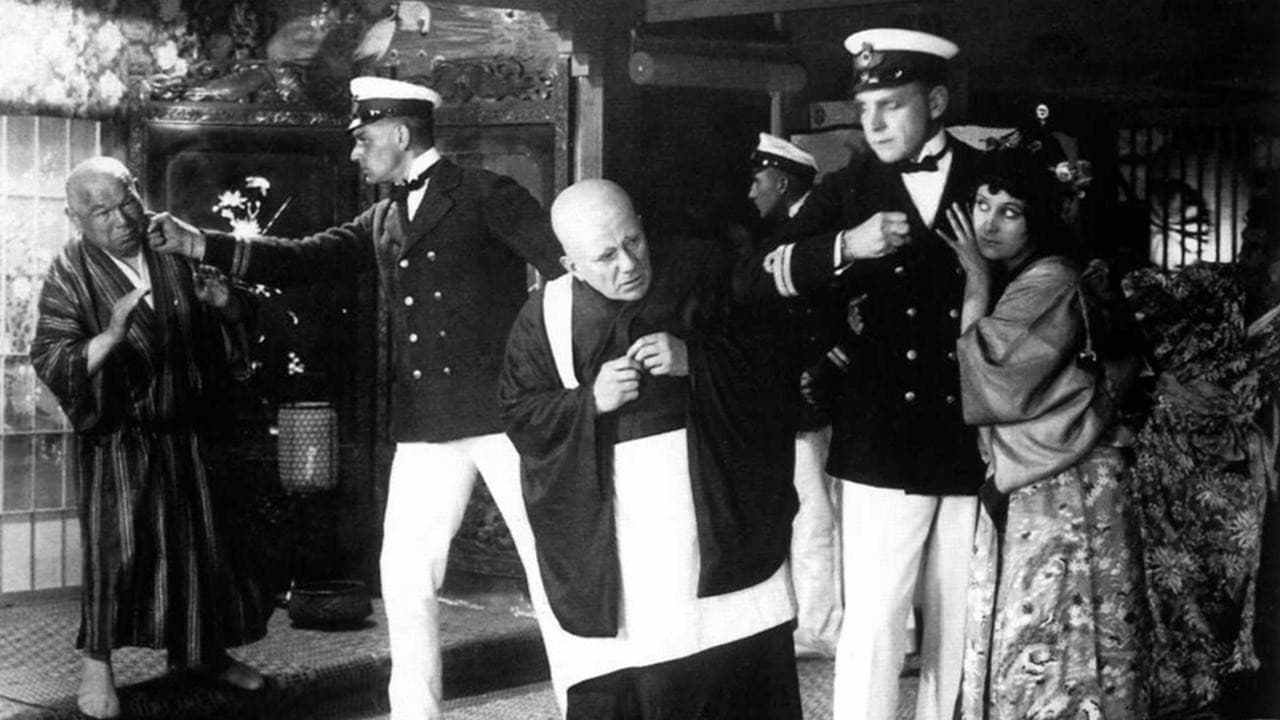
“The Tragic Tale Unfolds in Fritz Lang's Harakiri” introduces viewers to a world of profound sacrifice and cultural collision, set against a backdrop of early 20th-century sensibilities. At its heart is the poignant story of O-Take-san, the daughter of a proud Japanese daimyo. In a move of ultimate selflessness, her father chooses to commit harakiri—a ritualistic suicide—to ensure his daughter's future, hoping to grant her the freedom to forge her own destiny. Fate, however, has a different path in store. O-Take-san soon finds herself falling deeply in love with a European officer, a romance that blossoms into marriage and the birth of a child. But when the officer returns to Europe, promising to come back for his new family, his eventual return to Japan brings with it a devastating revelation: he has brought a European wife, shattering O-Take-san's world. A true heartbreaker.
The German Origins and Creative Forces Behind Harakiri
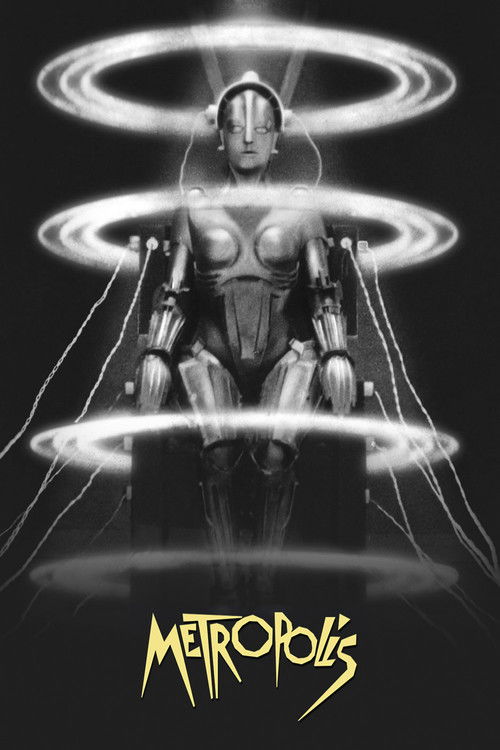
“The German Origins and Creative Forces Behind Harakiri” reveals a fascinating chapter in early cinematic history, marking one of legendary director Fritz Lang's formative works. Released in 1919, this German silent film, with a runtime of 87 minutes, was a production of Decla-Bioscop and Decla Film Gesellschaft Holz & Co. It stands out as one of the very first Western films to seriously engage with and depict Japanese culture, an ambitious undertaking for its time. Lang, who would later become synonymous with masterpieces like Metropolis and M, was just beginning to hone his craft, and Harakiri offers a glimpse into his nascent visual storytelling prowess. The film starred the captivating Lil Dagover as O-Take-san, whose expressive performance was crucial in conveying the character's emotional journey without spoken dialogue. Interestingly, the film was often distributed in the United States and other international markets under the title Madame Butterfly, a direct nod to the popular source material—Pierre Loti's novel and Giacomo Puccini's renowned 1904 opera—that also inspired Lang's adaptation. Despite its historical significance, Harakiri currently holds an IMDb rating of 5.8/10, reflecting perhaps a contemporary audience's perspective on a film from a vastly different cinematic era, or maybe just a less widely seen classic. Still, it's a testament to Lang's early ambition — a clear sign of the master to come.
Why Fritz Lang's Harakiri Still Captivates Viewers
“Why Fritz Lang's Harakiri Still Captivates Viewers” lies in its timeless exploration of love, cultural clash, and the crushing weight of societal expectations. Despite its silent film origins, the narrative power of Harakiri isn't diminished; in fact, the reliance on visual storytelling and the nuanced performances, particularly from Lil Dagover, elevate its emotional impact. Dagover’s portrayal of O-Take-san is, honestly, quite heartbreaking — conveying profound despair and fleeting joy through subtle gestures and powerful expressions that transcend the language barrier. Lang’s direction, even in this early stage of his career, shows flashes of the visionary he would become. He uses light and shadow, composition, and the deliberate pacing characteristic of silent cinema to build tension and underscore the tragic inevitability of O-Take-san’s fate. The film's genre as a Drama is undoubtedly earned, as it pulls at the heartstrings with its depiction of a woman caught between two worlds, ultimately betrayed by the one she embraced. It's a stark reminder of the devastating consequences when promises are broken across cultural divides. As one contemporary review from Film-Kurier in 1919 reportedly observed, "Lang demonstrates a remarkable sensitivity to the human condition, even through the lens of a foreign culture, making Harakiri a profoundly moving experience." This film, for all its age, still speaks volumes about human vulnerability. Its tragic arc, the way it meticulously builds O-Take-san’s hopes only to dismantle them so completely, really sticks with you.
Where to Stream Harakiri Online
“Where to Stream Harakiri Online” is a common question for fans of classic cinema eager to experience Fritz Lang’s early work. While a film from 1919 might seem hard to track down, the good news is that Harakiri is currently available across various major OTT services. This accessibility means that whether you're subscribed to a general streaming giant or a more niche platform specializing in classic films, you'll likely find it ready to watch. For the most up-to-date information on where to find this compelling drama, Movie OTT actively tracks its availability. You can check the "Where to Watch" widget displayed at the top of this very page, which provides real-time listings of every platform where Harakiri is currently streaming. We here at Movie OTT pride ourselves on helping cinephiles connect with films like this, ensuring you don't miss out on cinematic treasures, no matter their age.
Frequently asked questions
“Frequently asked questions” about Harakiri often revolve around its origins and availability.
Q: Who directed the 1919 film Harakiri?
The 1919 silent film Harakiri was directed by the renowned German filmmaker Fritz Lang. This was an early work in his illustrious career, predating his more famous Expressionist masterpieces.
Q: What is the runtime of Harakiri?
Harakiri, the 1919 drama, has a runtime of 87 minutes. It's a relatively compact viewing experience for a silent film of its era, making it accessible even for those new to the genre.
Q: Is Harakiri available on major streaming platforms?
Yes, Harakiri is currently available on major OTT services. Movie OTT's widget on this page can guide you to specific platforms offering the film.
Q: What is Harakiri (1919) about?
The film tells the tragic story of O-Take-san, a Japanese woman whose father commits harakiri for her future. She falls for a European officer, marries him, and has a child, only for him to return with a European wife, leading to devastating consequences.
A Lasting Impression: Should You Watch Harakiri?
“A Lasting Impression: Should You Watch Harakiri?” is a question many might ponder when considering a 1919 silent drama. My answer? Absolutely. For anyone with an interest in film history, the early works of a directorial giant like Fritz Lang, or simply a compelling human drama, Harakiri is an essential watch. It offers a unique window into early cinema's capacity for emotional depth and visual storytelling, even without spoken dialogue. The film's themes of cultural misunderstanding, sacrifice, and heartbreaking betrayal remain as potent today as they were over a century ago. It’s a somber, beautiful piece that deserves to be rediscovered, a poignant reminder of cinema’s enduring power. You'll be glad you gave it a chance.