
Unmasking the Criminal Genius in Dr. Mabuse, the Gambler
Dr. Mabuse, the Gambler plunges viewers into the shadowy underworld of 1920s Berlin, introducing one of cinema's most iconic and terrifying villains. At the heart of this sprawling crime thriller is the enigmatic Dr. Mabuse, a criminal mastermind whose organization operates with chilling precision. His latest, audacious scheme involves a meticulously planned theft of vital information, designed to allow him to manipulate the stock exchange for immense personal gain. But Mabuse isn't just a master of logistics; he possesses a sinister gift for psychic manipulation, a power he uses to bend others to his will. After his initial triumph, Mabuse, under an elaborate disguise, attends a performance at the Folies Bergères. There, Cara Carozza, the show's star and one of Mabuse's operatives, provides him with details about his next target: the unsuspecting young millionaire Edgar Hull. Mabuse then ensnares Hull in a high-stakes card game, using his hypnotic influence to ensure Hull loses a fortune. As a wave of inexplicable crimes grips the city, Police Commissioner von Wenk begins an investigation, but he finds himself with frustratingly few leads. He desperately needs to find someone who can help him untangle this web of deceit and psychological warfare.
The Craft Behind Fritz Lang's Dr. Mabuse, the Gambler
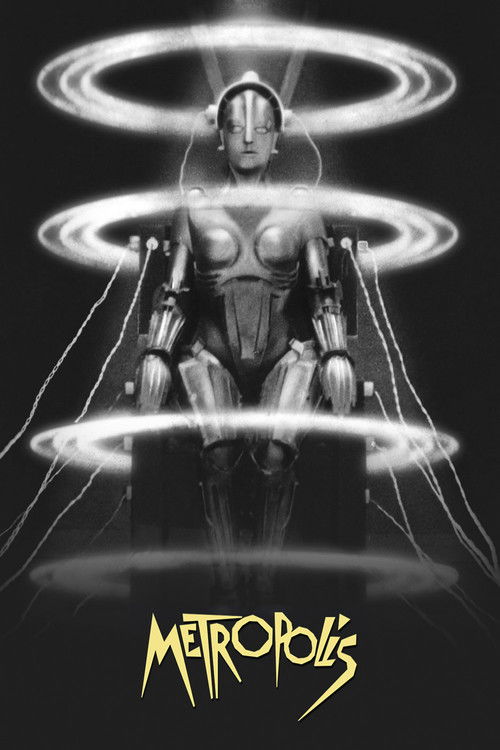
The monumental undertaking that is Dr. Mabuse, the Gambler, released in 1922, stands as a testament to the visionary artistry of director Fritz Lang. Produced by Uco-Film GmbH, this silent film wasn't just another cinematic offering; it was an ambitious, nearly four-and-a-half-hour epic that redefined the crime thriller genre. Lang, already a significant figure in German cinema, would go on to direct other masterpieces like Metropolis, but it's here, with Dr. Mabuse, that he first unleashed a character who would haunt the screen for decades. The film is the inaugural entry in the storied Dr. Mabuse Collection, a franchise based on the compelling novels of Norbert Jacques. Its impact was so profound that Lang himself revisited the character over the years, directing the sound sequels The Testament of Dr. Mabuse in 1933 and, much later, The Thousand Eyes of Dr. Mabuse in 1960. Think about that: a character so enduring, so fascinating, that a director returns to him almost 40 years later. It's a rare feat, a true cinematic legacy. While precise box office figures or formal awards from the early 1920s are hard to definitively track for a film of this era, its cultural resonance and critical acclaim from the time speak volumes. Honestly, its very existence as a two-part, 271-minute silent film is an award in itself, showcasing an unparalleled artistic ambition that few filmmakers would dare to attempt today. Its influence on subsequent thrillers and villain archetypes is undeniable, establishing a template for the criminal mastermind that we still see echoed in modern cinema.
The Enduring Appeal and Critical Acclaim of Dr. Mabuse, the Gambler
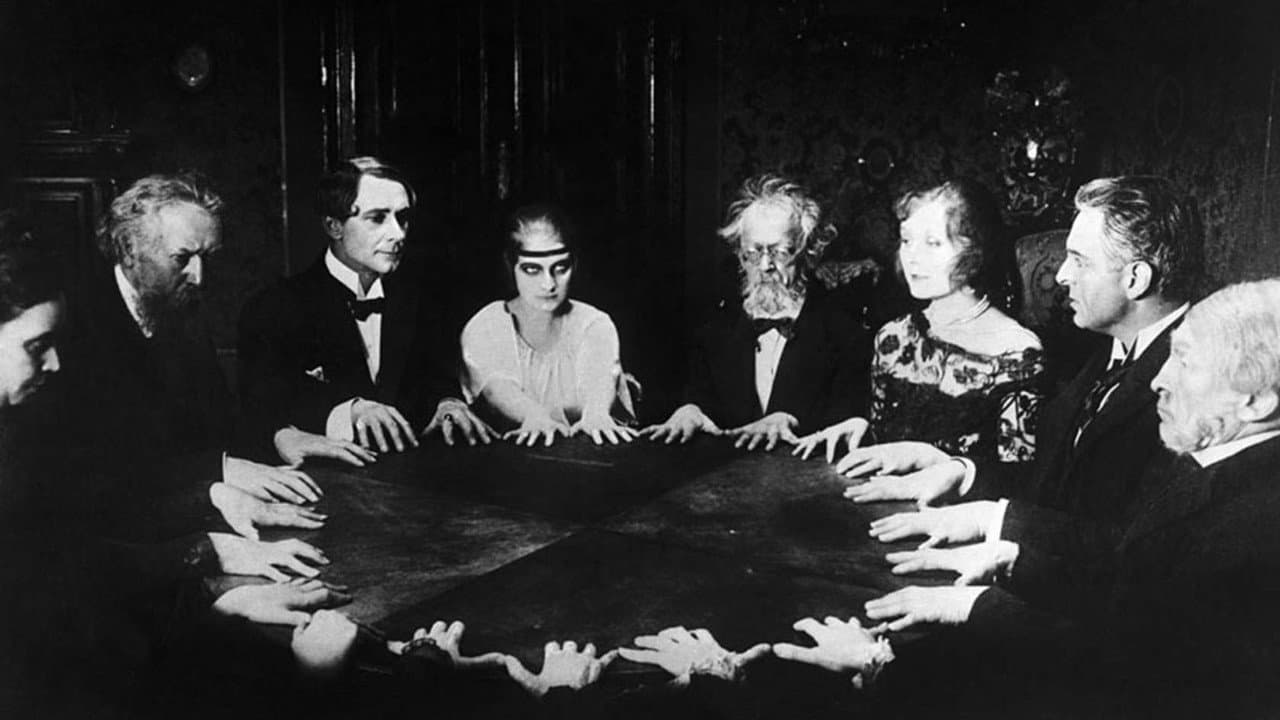
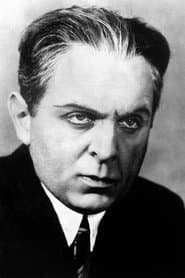
What's striking about Dr. Mabuse, the Gambler, even a century after its release, is its sheer audacity and psychological depth. Fritz Lang masterfully crafts a sprawling narrative that's not just a crime story but a searing commentary on the social and economic anxieties of Weimar-era Germany. The film's 7.665/10 IMDb rating, while impressive, barely scratches the surface of its artistic merit. Lang's innovative use of silent film techniques—from expressive close-ups to dynamic editing—creates an atmosphere of constant tension and paranoia. The performances, particularly Rudolf Klein-Rogge as Mabuse, are captivating. He doesn't just play a villain; he embodies a force of nature, a chameleon who shifts identities and wields hypnotic power with terrifying conviction. His cold, calculating gaze. That's pure menace. The film explores themes of power, corruption, and the thin veneer of civility that separates society from chaos, all through the lens of Mabuse's calculated manipulations. One particular scene that always stays with me is when Mabuse uses his psychic abilities during the card game—a visual representation of mind control that feels chillingly modern even today (and honestly, quite unsettling). It's a testament to Lang's genius that he could convey such complex internal states without a single line of dialogue. Variety reported in a retrospective piece decades later that "Lang's Mabuse was a prophet of doom, a mirror held up to a society teetering on the brink, and audiences, though disturbed, couldn't look away." This film isn't just a historical artifact; it's a vibrant, living piece of cinema that continues to challenge and enthrall.
Streaming Dr. Mabuse, the Gambler: Where to Find This Classic
For those eager to experience the epic scope and psychological thrills of Dr. Mabuse, the Gambler, the good news is that this cinematic landmark is readily available across major OTT services. We know how frustrating it can be to hunt down classic films, but thankfully, this Fritz Lang masterpiece isn't hiding in the archives. You'll find it accessible on various platforms, allowing you to delve into Mabuse's world at your convenience. To see a comprehensive, up-to-the-minute list of every platform where Dr. Mabuse, the Gambler is currently streaming, simply refer to the "Where to Watch" widget located at the top of this page. This interactive tool, powered by Movie OTT, ensures you're always getting the most accurate information on its availability. Movie OTT is dedicated to helping cinephiles like you find exactly what you're looking for, whether it's a silent era classic or the latest blockbuster. So, go ahead. Immerse yourself in Lang's genius.
Frequently asked questions
Q: Who directed Dr. Mabuse, the Gambler?
Dr. Mabuse, the Gambler was directed by the legendary German filmmaker Fritz Lang. Lang is renowned for his influential works in German Expressionism and film noir, and this 1922 silent epic is a foundational piece of his extensive filmography.
Q: How long is Dr. Mabuse, the Gambler?
This ambitious film has a significant runtime of 271 minutes, or approximately four hours and thirty-one minutes. It was originally released in two parts, a testament to its sprawling narrative and immersive world-building.
Q: Is Dr. Mabuse, the Gambler part of a series?
Yes, Dr. Mabuse, the Gambler is the first film in the Dr. Mabuse Collection franchise. It introduced the iconic criminal character, who would later return in two sound sequels also directed by Fritz Lang: The Testament of Dr. Mabuse (1933) and The Thousand Eyes of Dr. Mabuse (1960).
Q: What genres does Dr. Mabuse, the Gambler fall under?
Dr. Mabuse, the Gambler is primarily categorized as a Crime and Thriller film. It pioneered many tropes within these genres, blending elements of psychological suspense, criminal enterprise, and social commentary against the backdrop of 1920s Berlin.
Q: What is the plot of Dr. Mabuse, the Gambler?
The film follows the brilliant but ruthless Dr. Mabuse, a criminal mastermind who uses his organization and psychic manipulation to commit daring thefts and stock market scams. When Police Commissioner von Wenk begins investigating Mabuse's mysterious crime spree, a high-stakes cat-and-mouse game ensues, with the fate of society hanging in the balance.
Why Dr. Mabuse, the Gambler is a Must-Watch for Film Enthusiasts
Look — for anyone with an appreciation for the origins of cinematic storytelling, for psychological thrillers, or for the sheer ambition of early filmmaking, Dr. Mabuse, the Gambler is an essential watch. It's a film that doesn't just entertain; it educates, offering a fascinating window into a pivotal moment in film history and the anxieties of its time. Its runtime might seem daunting, but the narrative pacing, the visual ingenuity, and the compelling performances ensure that every minute feels deliberate, drawing you deeper into Mabuse's dark world. This isn't just a classic; it's a foundational text for the crime genre, a masterclass in silent cinema, and a vivid character study all rolled into one expansive package. We here at Movie OTT highly recommend experiencing Fritz Lang's original vision. You won't regret it.