






What Disclosure Reveals About Hollywood's Transgender Narratives
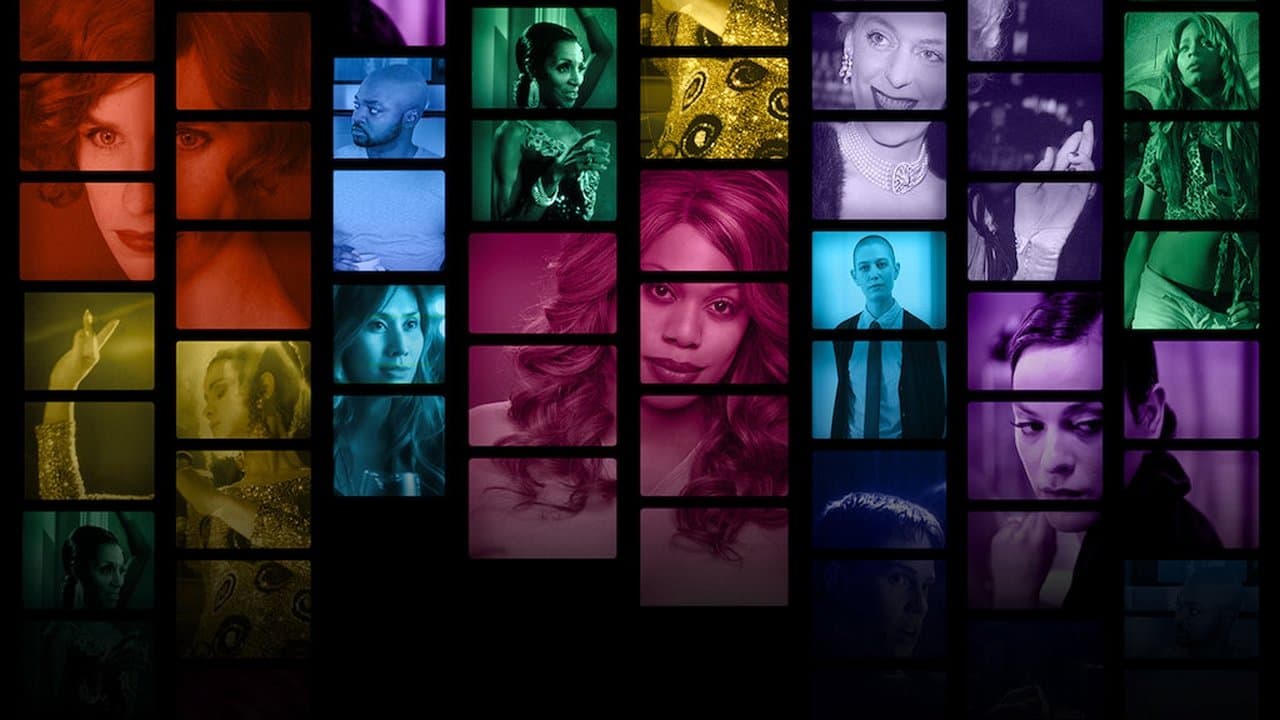
Disclosure isn't just another documentary about representation—it's a forensic examination of how the stories we watch on screen become the stories we tell ourselves about who we are. Released in 2020 and running 108 minutes, this documentary investigates the decades-long relationship between Hollywood's fabled narratives and the lived experiences of transgender Americans. The film traces a through-line from early cinema to contemporary television, showing how transgender characters—when they appear at all—have been filtered through a distinctly cisgender gaze. What emerges isn't comfortable viewing. It's the kind of documentary that makes you reconsider every trans character you've ever seen on screen, and ask yourself whether you were watching a story or a stereotype.
The core argument is deceptively simple yet profound: Hollywood's portrayal of trans lives doesn't just reflect society's attitudes—it actively shapes them. The documentary asks hard questions about who gets to tell these stories, who benefits from certain narratives, and what happens when marginalized identities are interpreted through the lens of the majority. It's a necessary reckoning with an industry that's spent a century telling stories without consulting the people those stories are supposedly about.
Behind the Making of Disclosure and Its Critical Recognition
Disclosure is the product of a rare collaborative effort. Bow + Arrow Entertainment, Field of Vision, Fork Films, and JustFilms (backed by the Ford Foundation) came together with support from California Humanities and the Independent Film Producers network. That institutional backing matters—it signals that major cultural organizations recognized this as essential work. The documentary premiered in 2020 and quickly became one of the most acclaimed films of that year, earning a perfect 100% rating on Rotten Tomatoes and a Metascore of 79, which places it in the "generally favorable" tier among critics. With an IMDb rating of 8.1 out of 10 from nearly 6,400 votes, it's clear audiences connected with what the filmmakers were attempting.
The film's awards recognition reflects its cultural impact. It garnered 4 wins and 6 nominations across major festivals and awards bodies, cementing its status as more than just activist cinema—it's a work of serious documentary craft. The TV-MA rating indicates this isn't sanitized material; there's language, there are difficult moments, and there's no sugar-coating. That rating also suggests the filmmakers weren't making this for a particular demographic—they were making it for anyone willing to sit with uncomfortable truths about how media shapes consciousness. The production team assembled interviews with a range of voices, from historians to contemporary trans actors and creators, building a historical argument that's both entertaining and rigorous.
Why Disclosure Stands Out Among Contemporary Documentaries
What's striking is how Disclosure manages to be both intellectually rigorous and deeply human. It doesn't just present a thesis and walk away—it shows you the evidence, scene by scene, from film history. You'll see clips from classics, from B-movies, from prestige television, all arranged to show a pattern that's been hiding in plain sight. The documentary doesn't just criticize; it contextualizes, explaining why certain tropes emerged and how they calcified into convention. That's the kind of work that sticks with you.
The film's real power lies in letting trans people speak for themselves about how these narratives affected them. One viewer noted that the documentary works for anyone interested in how storytelling develops—not just for trans audiences or film critics, but for anyone who's ever wondered who they're actually seeing on their screen and why that person's story is being told a certain way. It raises the fundamental question: when a marginalized character is played by someone outside that community, what's lost? What's gained? What's distorted? I keep coming back to how the film doesn't position itself as the final word—instead, it opens a conversation that feels urgent and overdue.
The critical consensus reflects this. Metascore's 79 puts it alongside serious documentary work, and that 100% on Rotten Tomatoes isn't handed out lightly. Reviewers recognized that Disclosure succeeds both as cinema and as cultural criticism. It's visually engaging, it's paced well, and it doesn't feel like a lecture—it feels like a conversation between people who actually care about getting this right.
Where to Stream Disclosure Online
Disclosure is available on major OTT services, making it accessible to audiences across multiple platforms. Rather than hunting through different services yourself, Movie OTT aggregates current streaming availability in one place, so you can see exactly where to watch Disclosure right now—whether that's your existing subscription or a platform you might want to try. The "Where to Watch" widget at the top of this page shows you all your options, updated in real-time. Since streaming rights shift regularly, that widget's the best way to confirm availability in your region. Once you've found it, set aside nearly two hours and watch it without interruption—this isn't a documentary you want to half-watch while scrolling.
Frequently asked questions
Q: Who directed Disclosure?
The documentary was directed by Sam Feder and produced through a collaborative effort including Bow + Arrow Entertainment and Field of Vision. Feder's vision shaped the film's approach to balancing historical analysis with contemporary testimony from trans people in and around the entertainment industry.
Q: Is Disclosure based on a true story?
Disclosure isn't a narrative film—it's a documentary that examines real history. It traces actual Hollywood films and television shows, interviewing real people about their experiences with media representation. The "story" is the documented history of how trans people have been portrayed (or absent) in American cinema and television.
Q: What's the runtime of Disclosure?
The documentary runs 108 minutes, which gives it enough time to build a comprehensive historical argument while maintaining momentum throughout.
Q: Why is Disclosure rated TV-MA?
The TV-MA rating reflects the documentary's frank language and mature thematic content. The film doesn't shy away from discussing difficult subjects, including violence, discrimination, and explicit scenes from films it's analyzing. It's meant for adult audiences ready to engage with challenging material.
Q: Where can I watch Disclosure right now?
You can find current streaming options on Movie OTT's aggregator platform, which tracks availability across all major services. Use the "Where to Watch" widget on this page for real-time, region-specific information.
Final Thoughts on Why Disclosure Matters Now
Disclosure arrives at a moment when representation in media feels simultaneously more visible and more fraught than ever. The documentary doesn't offer easy answers—it offers something better: context, history, and the voices of people who've lived through the consequences of how they've been portrayed. It's essential viewing for anyone who watches television or movies and wants to understand the machinery behind the stories they're consuming. Watch it, sit with it, and then notice what you see differently the next time you turn on your screen.