

The Story of Donnie Darko
Set in October 1988, Donnie Darko follows a deeply troubled teenager who narrowly escapes a bizarre accident involving a jet engine falling from the sky—an incident that should have killed him. Instead, he sleepwalks away from the crash. What comes next isn't rescue or relief, but something far stranger: visions of a man in a grotesque rabbit costume named Frank, who appears to Donnie with a haunting message. The world will end in exactly 28 days. What unfolds over those four weeks is a cascade of unsettling events, cryptic conversations, and increasingly dangerous behavior that Donnie can't seem to control—or understand. The film doesn't hand you answers. It makes you work for them, which is part of why it's never left the cultural conversation since its release.
Behind the Making of Donnie Darko
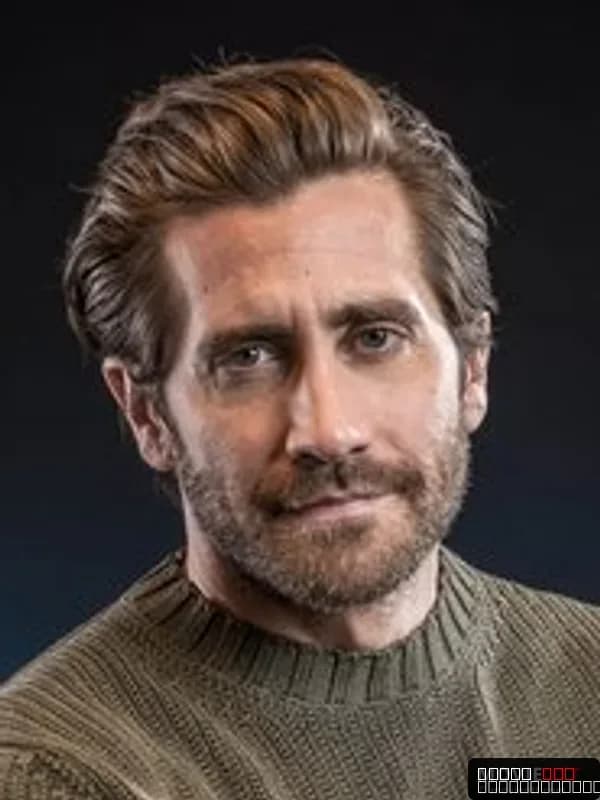
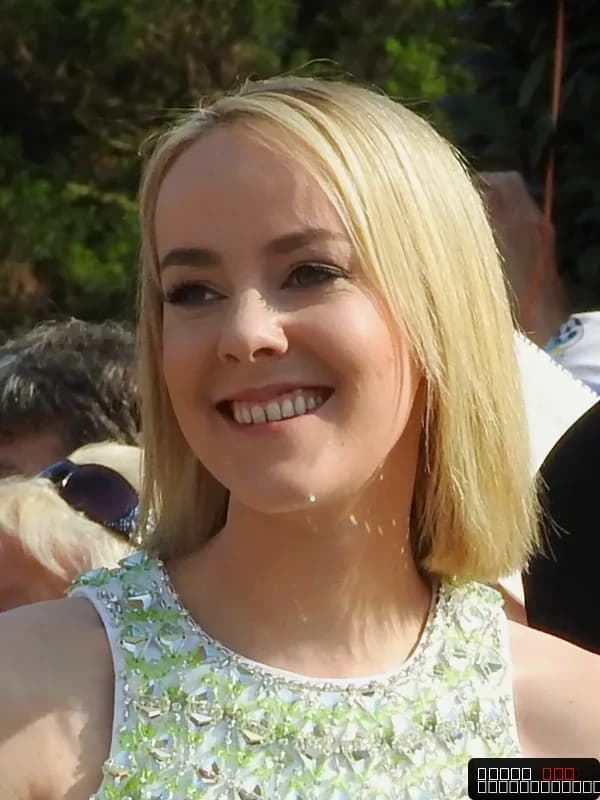
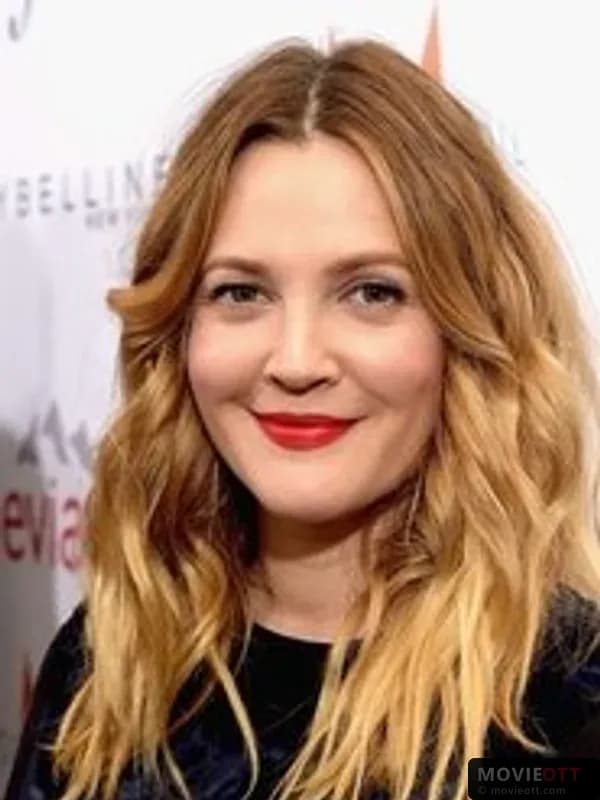
Donnie Darko was Richard Kelly's feature directorial debut, and the ambition on display is remarkable for a first-time filmmaker. Released in 2001 to modest box office returns—it wasn't an immediate commercial success—the film has since been recognized as something far more significant: a generational touchstone that proved indie filmmaking could be both commercially viable and artistically uncompromising. The ensemble cast brought serious pedigree to Kelly's vision. Jake Gyllenhaal, then still early in his career, anchors the film with a performance that's vulnerable, fractured, and increasingly manic. Jena Malone, Drew Barrymore (who also served as executive producer through her production company Flower Films), and Maggie Gyllenhaal (Jake's real-life sister) round out a cast that treats the material with genuine gravity. Patrick Swayze, Seth Rogen in an early role, and Noah Wyle add depth to the supporting players. The film's 112-minute runtime gives Kelly space to build atmosphere and let scenes breathe—something that feels increasingly rare in modern filmmaking. While it didn't dominate awards season, the film's influence on independent cinema and its growing reputation as a masterpiece of puzzle-box storytelling has only deepened with time. On IMDb, it holds a solid 7.9 rating, a reflection of its polarizing but devoted fanbase.
What Makes Donnie Darko Stand Out
Here's the thing about Donnie Darko: it refuses to be pinned down. Is it science fiction? A psychological drama? A horror film? A meditation on teenage alienation? The answer is yes—and that refusal to settle into a single genre is exactly what makes it work so well. What's striking is how Jake Gyllenhaal captures Donnie's fractured mental state without ever losing our sympathy for him. He's erratic, sometimes cruel, occasionally delusional, but never cartoonish. The supporting performances matter too; Drew Barrymore's well-meaning teacher and Beth Grant's terrifying motivational speaker create a world where adults are either oblivious or actively harmful to the kids they're supposed to protect. The film's 1980s soundtrack—featuring Tears for Fears, Echo & the Bunnymen, and other era-defining tracks—isn't just nostalgic window dressing. Each song choice deepens the emotional texture, and that haunting cover of "Mad World" that plays over the credits will stay with you long after the film ends. What I keep coming back to is how the film trusts its audience. There's no exposition dump explaining Frank or the 28-day countdown. Kelly expects you to sit with confusion, to rewatch, to argue about meaning. For some viewers, that's a feature. For others, it's a bug. But there's no denying the craft on display—the cinematography, the editing, the way Kelly builds dread through seemingly mundane moments in suburban life.
Where to Stream Donnie Darko Online
Finding Donnie Darko to watch is straightforward these days. The film is currently available on Peacock, where you can stream it without hunting through multiple platforms. Movie OTT maintains an updated "Where to Watch" widget at the top of this page showing all the services carrying the title right now, so you'll always know your options. Since streaming availability shifts—licenses expire, services rotate catalogs—it's worth checking that widget before you settle in to watch. The 112-minute runtime means you can finish it in a single sitting, though honestly, you'll probably want to watch it again immediately after the credits roll. Most viewers find themselves pausing, rewinding, and frantically taking notes the second time through.
Frequently Asked Questions
Q: Who directed Donnie Darko?
Richard Kelly wrote and directed Donnie Darko as his feature film debut in 2001. It was produced by Flower Films, the production company founded by Drew Barrymore.
Q: Is Donnie Darko based on a true story?
No, Donnie Darko is an original screenplay written by Richard Kelly. It's a work of fiction, though the film's exploration of teenage mental health and alienation draws from universal emotional truths.
Q: What does the rabbit costume mean in Donnie Darko?
That's the question everyone asks—and Kelly intentionally leaves it open to interpretation. Frank represents different things to different viewers: a manifestation of Donnie's fractured psyche, a supernatural messenger, or something else entirely. The ambiguity is deliberate.
Q: How long is Donnie Darko?
The film runs 112 minutes, giving Kelly enough time to build atmosphere and develop his characters without feeling rushed or bloated.
Q: What's the 28 days reference in Donnie Darko?
Frank tells Donnie the world will end in 28 days, setting the film's timeline and driving the narrative forward. What that actually means—whether it's literal, metaphorical, or something stranger—is part of what makes the film so endlessly debatable.
Final Thoughts on Donnie Darko
Donnie Darko isn't a film for everyone. It demands patience, rewards multiple viewings, and doesn't apologize for its complexity. But if you're willing to sit with uncertainty, to embrace a story that doesn't spell everything out, there's something genuinely special here. It's the kind of film that makes you feel less alone in your own confusion and alienation—which, honestly, might be the whole point. Nearly a quarter-century later, it remains one of cinema's most rewatchable puzzles. Stream it on Peacock and see why this 2001 debut continues to haunt audiences.