The Story of Dragon Ball Z: Broly - Second Coming
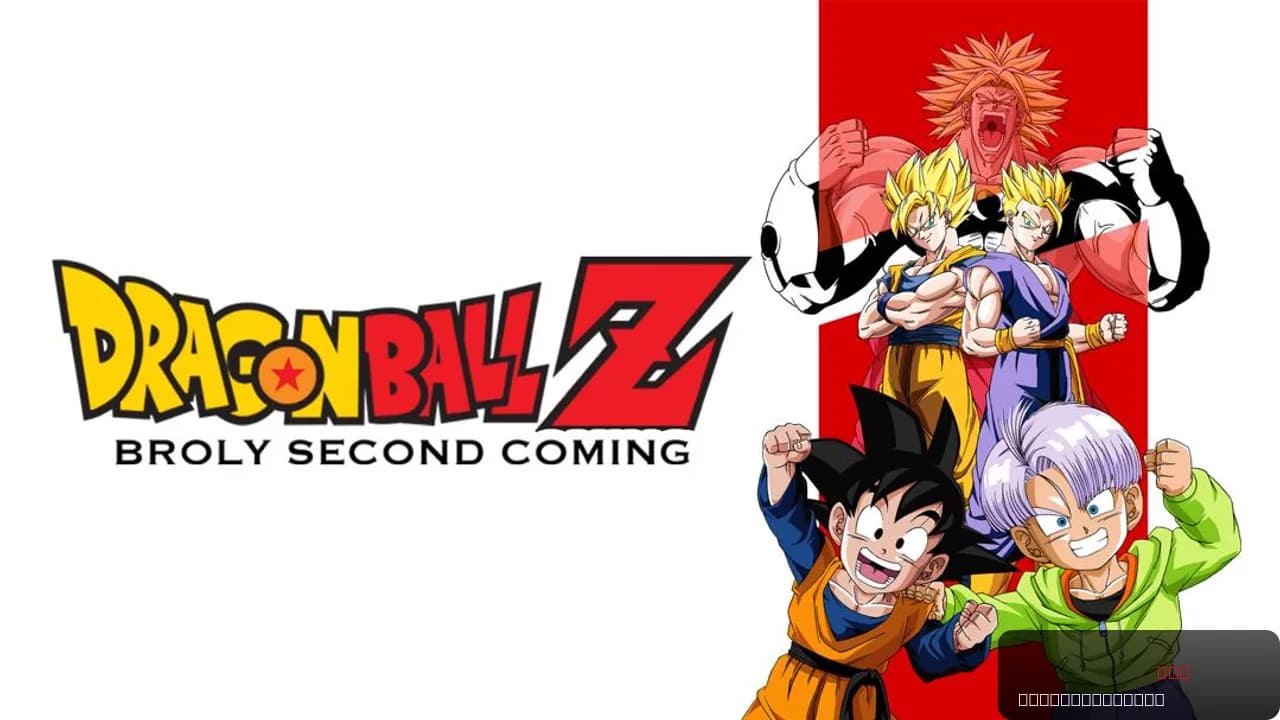
Dragon Ball Z: Broly - Second Coming picks up years after the original Broly encounter left the tyrant frozen and comatose. Time has moved on—Goku is dead, Gohan has grown into adulthood, and a new generation has begun with the birth of Goten. But peace doesn't last. When Goten's cries of anguish echo across the landscape, something stirs in that icy prison. Broly regains consciousness, his power undiminished, his thirst for vengeance unquenched. The Z fighters now face an impossible scenario: stop an unstoppable force without their strongest warrior. It's a high-stakes setup that doesn't waste a second of its lean 52-minute runtime.
What makes this premise work is the genuine sense of disadvantage it creates. Gohan's come a long way since his father's death, but he's never fought Broly alone. Goten's still a kid, raw with potential but nowhere near ready for a threat of this magnitude. The supporting cast—Vegeta, Trunks, Krillin, and the others—rally, but you feel the weight of Goku's absence. It's not just narrative convenience; it's a real problem the heroes have to solve without their safety net.
Behind the Making of Dragon Ball Z: Broly - Second Coming
Dragon Ball Z: Broly - Second Coming arrived in March 1994 as the tenth Dragon Ball Z feature film, released at the Toei Anime Fair alongside other anime releases. Director Shigeyasu Yamauchi helmed the project with a clear mandate: deliver maximum action in minimum time. The voice cast brought serious pedigree to the work—Masako Nozawa reprising her iconic role as Goku (even in flashback), Mayumi Tanaka as Krillin, Takeshi Kusao as Vegeta, and Junko Shimakata returning to voice Broly himself with that distinctive menacing growl.
The film sits between Dragon Ball Z: Bojack Unbound and Dragon Ball Z: Bio-Broly in the franchise's theatrical lineup, occupying a specific moment in the saga's evolution. By 1994, the TV series had already moved well past the original Broly encounter, so this sequel had to justify its existence beyond just "villain's back." The production team managed to keep the runtime tight without sacrificing spectacle—a 52-minute package that feels complete, not truncated. According to reports from the era, the film performed respectably at the box office in Japan, though exact figures are harder to pin down than with later theatrical releases. It earned a TV-PG rating, making it accessible to younger viewers while still delivering the intensity Dragon Ball fans expect. The IMDb community has rated it 6.5/10 from over 7,000 votes, placing it solidly in the middle tier of DBZ films—not the most beloved, but far from forgotten.
What Makes Dragon Ball Z: Broly - Second Coming Stand Out
The film's real strength lies in how it handles the absence of its most powerful character. Goku's death in the original series was already a seismic event, but here his absence becomes tactile, almost painful. Gohan has to step up—not because he's ready, but because there's no one else. That's compelling storytelling, even in a 52-minute action vehicle. What's striking is how the film doesn't pretend Gohan can just fill his father's shoes; instead, it shows him struggling, adapting, figuring things out on the fly.
Broly himself remains one of the franchise's most visually distinctive villains. His design—that massive frame, the green aura, the almost feral intensity—made him memorable even in his first appearance, and here he's even more unhinged, driven purely by rage and the need for revenge. The animation during his fight sequences crackles with energy. Director Yamauchi understood that in a film this short, you can't waste frames on anything but the essentials, and the essentials here are fights that land with real impact.
The voice work deserves mention too. Junko Shimakata's performance as Broly captures something primal—not just evil, but broken, consumed by a single obsession. It's a performance that doesn't need dialogue to sell the character's menace. The ensemble cast, meanwhile, feels genuinely coordinated, their interactions believable even when the plot requires them to make some desperate tactical choices. If you're tracking where to find Dragon Ball Z content across streaming, Movie OTT keeps tabs on which platforms carry each film, because availability shifts constantly.
Honestly, the thing nobody mentions about this film is how economical it is with character moments. In 52 minutes, it still finds time to show Gohan's growth, Goten's raw energy, and even small character beats that ground the spectacle. That's not accident; that's craft.
Where to Stream Dragon Ball Z: Broly - Second Coming Online
Dragon Ball Z: Broly - Second Coming is currently available on Crunchyroll, the streaming home for much of the Dragon Ball franchise. If you're already subscribed to Crunchyroll for the main series, you can jump straight into this film without hunting across multiple services. The platform's library of Dragon Ball content is extensive, making it the obvious choice for fans wanting to explore the theatrical films alongside the TV series.
For real-time availability and to confirm whether it's streaming on other platforms in your region, check the Where to Watch widget at the top of this page—Movie OTT updates those listings constantly so you don't end up hunting dead links. Availability can vary by country, so that widget's your most reliable source.
Frequently asked questions
Q: Is Dragon Ball Z: Broly - Second Coming a sequel to the original Broly film?
Yes, it's a direct sequel. The first Broly film, Dragon Ball Z: Broly - The Legendary Super Saiyan, introduced the character and ended with him frozen and comatose. This film picks up years later when he awakens seeking revenge.
Q: Do I need to watch the original Broly film first?
Not strictly necessary—the film recaps the backstory quickly enough that newcomers can follow along. That said, the original film does add emotional weight to Broly's vendetta, so watching both enriches the experience.
Q: Who directed Dragon Ball Z: Broly - Second Coming?
Director Shigeyasu Yamauchi handled the film. He brought a sharp, action-focused approach to the material, keeping the pacing tight across the 52-minute runtime.
Q: Can Gohan defeat Broly without Goku's help?
You'll have to watch to find out. The film makes it clear that Gohan's facing his biggest challenge without his father's power to fall back on, which is exactly the tension the story builds around.
Q: When was Dragon Ball Z: Broly - Second Coming released?
The film premiered in Japan on March 12, 1994, as part of the Toei Anime Fair. It's the tenth Dragon Ball Z feature film and remains one of the franchise's most action-packed theatrical entries.
Final Thoughts on Dragon Ball Z: Broly - Second Coming
Dragon Ball Z: Broly - Second Coming doesn't reinvent the wheel, but it doesn't need to. It's a focused, energetic action film that understands exactly what fans want: high-stakes fights, character moments that land, and a villain worth taking seriously. The 52-minute runtime works in its favor—no filler, no padding, just the good stuff. It's the kind of film that rewards rewatching, especially if you're doing a full Dragon Ball Z theatrical marathon. For fans who've been following the saga, it's essential viewing. For newcomers curious about the films, it's a solid entry point that delivers on its premise without requiring a PhD in Dragon Ball lore.