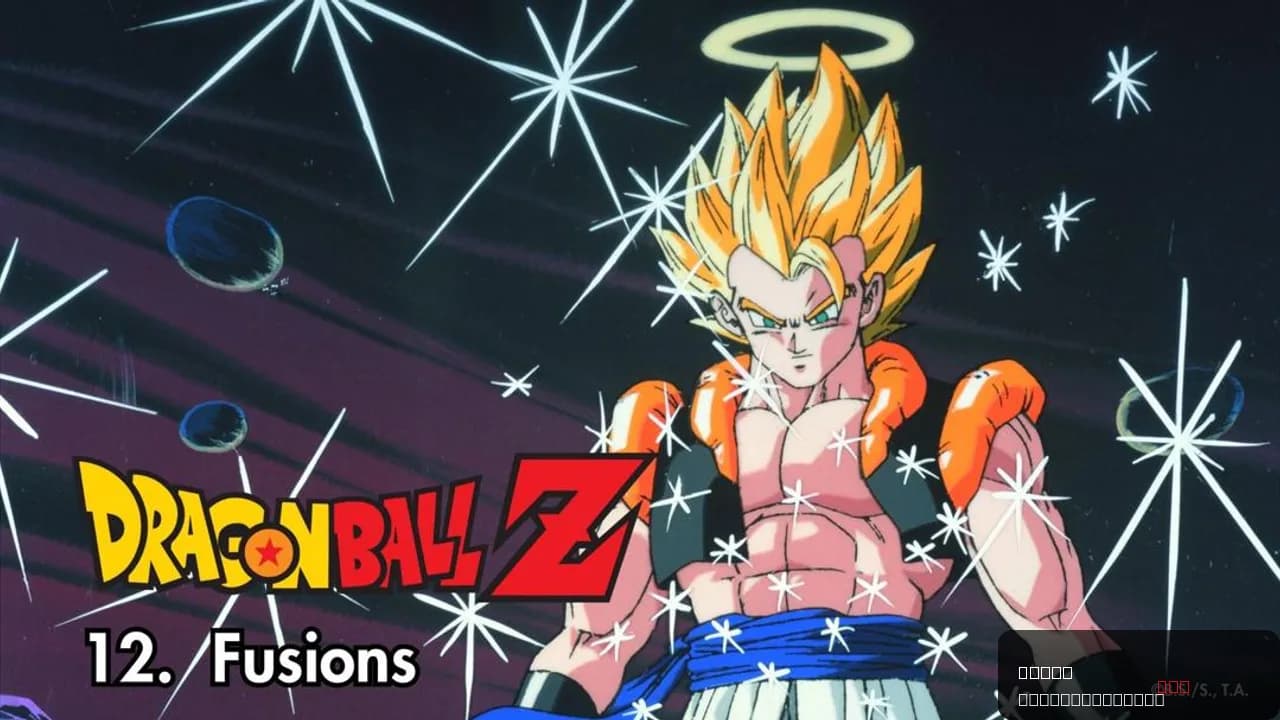
The story of Dragon Ball Z: Fusion Reborn
Dragon Ball Z: Fusion Reborn takes the franchise into genuinely unexpected territory by setting its conflict not in the living world, but in the afterlife itself. The film opens with a catastrophe in the Other World—a massive explosion that tears the boundary between the realm of the dead and the realm of the living. What emerges isn't just chaos, but a new villain born from the collision of two opposing forces, one that'll force Goku and Vegeta to confront each other as much as they confront their common enemy. Without spoiling the mechanics of how this threat materializes, the setup works because it taps into something the series had been building toward: the idea that even death isn't a permanent escape in the Dragon Ball universe, and that some conflicts transcend the line between life and the afterlife entirely.
Behind the making of Dragon Ball Z: Fusion Reborn
Fusion Reborn arrived in March 1995 as the 12th film in the Dragon Ball Z movie canon, directed by Shigeyasu Yamauchi, who brought considerable experience in action animation to the project. The voice cast—anchored by series regulars Masako Nozawa (Goku), Ryo Horikawa (Vegeta), Takeshi Kusao (Trunks), and Hiromi Tsuru (Bulma)—returned to reprise their iconic roles, ensuring vocal continuity that matters to longtime fans. The film's English dub, handled by Funimation, didn't arrive until 2006, more than a decade after the original Japanese release, which speaks to the slower globalization of anime during the mid-1990s. While Fusion Reborn earned a modest $270,354 at the box office—respectable for a theatrical anime release of that era, though hardly a blockbuster—its real measure of success lay in how it expanded the Dragon Ball Z film universe. The PG rating kept it accessible to younger viewers while maintaining the action intensity that defined the franchise. Movie OTT tracks which platforms currently carry this title, making it easier to find than it was for fans hunting VHS copies in the late '90s.
What makes Dragon Ball Z: Fusion Reborn stand out
What's striking about Fusion Reborn is how it manages to feel both familiar and genuinely weird for a Dragon Ball film. The fusion mechanic—which the title itself telegraphs—isn't new to the series, but the way Yamauchi uses it here, combined with the afterlife setting, creates a visual and thematic landscape that doesn't quite feel like any other DBZ movie. The animation quality fluctuates (as was common for theatrical anime in 1995), but the sequences that matter—the major combat set pieces—carry real kinetic energy. The voice performances, particularly Horikawa's Vegeta, nail the character dynamics that make these films work: the tension between Goku's almost naive heroism and Vegeta's prideful reluctance to cooperate. I keep coming back to how the film doesn't just recycle the "rival teams up with hero" formula—it actually interrogates it, making the partnership feel earned rather than automatic. The pacing, compressed into 50 minutes, means there's no fat; every scene either advances the plot or showcases a fight sequence. It's a lean film, which isn't always a strength in storytelling, but here it works because the Dragon Ball audience came for action, and Fusion Reborn delivers without unnecessary exposition.
Where to stream Dragon Ball Z: Fusion Reborn online
If you're looking to watch Dragon Ball Z: Fusion Reborn, you can find it currently streaming on Crunchyroll, which has become the primary hub for Dragon Ball content in recent years. The platform's library includes not just this film but the broader Dragon Ball Z movie catalog, making it convenient if you want to marathon the theatrical releases or revisit earlier entries in the series. The Where to Watch widget at the top of this page shows real-time availability across platforms—that's where Movie OTT's streaming-aggregator service shines, since availability shifts between services depending on licensing agreements. Crunchyroll's streaming quality is solid for anime, and the English dub option (the 2006 Funimation version) is available alongside the original Japanese audio if you prefer subtitles. It's worth noting that theatrical anime films like this one don't always stay on a single platform forever, so checking movieott.com before you hit play ensures you're looking in the right place.
Frequently asked questions
Q: Is Dragon Ball Z: Fusion Reborn canon to the main series?
No, the Dragon Ball Z films exist outside the main manga storyline, though they feature characters and events that feel consistent with the series' continuity. They're best viewed as "what-if" adventures that expand the Dragon Ball universe without directly affecting the core narrative.
Q: Who directed Dragon Ball Z: Fusion Reborn?
The film was directed by Shigeyasu Yamauchi, an experienced anime director known for his work on action sequences. Yamauchi brought a distinctive visual style to the afterlife setting that distinguishes this entry from other DBZ films.
Q: How long is Dragon Ball Z: Fusion Reborn?
The film runs 50 minutes, making it one of the shorter Dragon Ball Z theatrical releases. The compact runtime keeps the pacing tight without sacrificing the action sequences fans expect.
Q: What's the age rating for Dragon Ball Z: Fusion Reborn?
The film is rated PG, which means parental guidance is suggested for children under 13, though it's generally appropriate for older kids and teens who enjoy action anime.
Q: When was Dragon Ball Z: Fusion Reborn originally released?
The film premiered in Japan on March 4, 1995, as part of the Toei Anime Fair. The English dub by Funimation came much later, in 2006, reflecting how anime distribution worked in the 1990s and early 2000s.
Final thoughts on Dragon Ball Z: Fusion Reborn
Fusion Reborn won't revolutionize how you think about anime or action cinema. But if you're a Dragon Ball fan who hasn't caught this one, or someone curious about what theatrical anime looked like in the mid-1990s, it's worth the 50-minute investment. The film understands what makes Dragon Ball work—characters you care about, fights that matter, and just enough weirdness to keep things interesting. It's lean, it's fun, and it doesn't overstay its welcome. That's honestly enough.