







The story of Dragon Head: Catastrophe and Solitude
Dragon Head opens with a moment of ordinary school routine — a trip to Tokyo, young voices, the hum of a train. Then everything fractures. A disaster tears through the tunnel, destroying much of the train and trapping what's left in darkness. When Teru Aoki regains consciousness, the silence is absolute. Every classmate. Every teacher. All dead. What follows isn't a conventional survival story — it's a psychological descent into isolation, where the real threat isn't always visible, and the questions that haunt Teru become increasingly difficult to answer. The film sits at the intersection of disaster, mystery, and science fiction, refusing to settle comfortably into any single genre.
Behind the making of Dragon Head: Adaptation and Ambition
Dragon Head is based on Minetaro Mochizuki's manga series, which ran in Weekly Young Magazine from 1994 to 1999 and became a staple of Japanese science fiction storytelling for an entire generation of readers. The manga's ten-volume serialization built a devoted fanbase, and the 2003 film adaptation arrived with significant expectations. Translating Mochizuki's dense, atmospheric work to screen required a director willing to prioritize mood and ambiguity over exposition — which meant the film would inherit both the manga's strengths and its willingness to leave audiences unsettled. At 122 minutes, the film takes its time. It doesn't rush toward easy answers. The cast, anchored by a young lead carrying the weight of the entire narrative, had to convey trauma, confusion, and the gradual unraveling of a mind confronting the inexplicable. While the film didn't become a massive box-office phenomenon, it found its audience among viewers who appreciated genre work that doesn't hand-hold, and it remains a fixture in discussions of Japanese sci-fi cinema from that era.
What makes Dragon Head stand out: Atmosphere Over Explanation
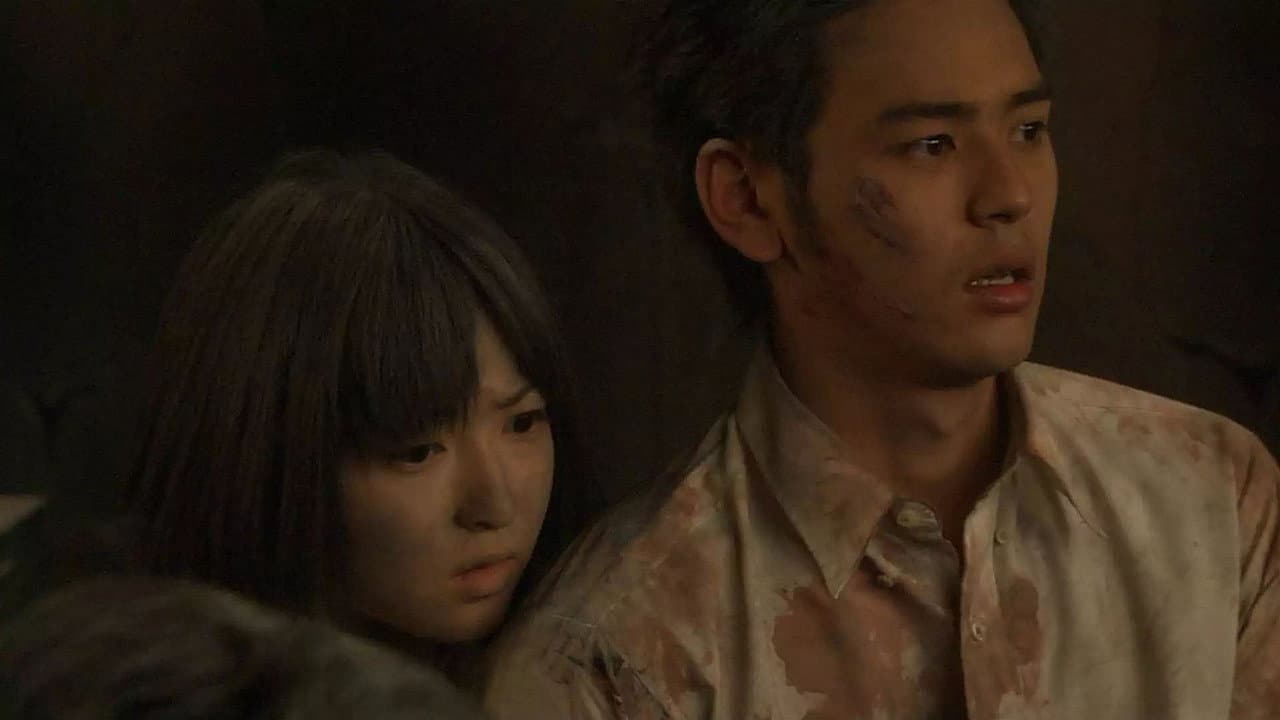
What's striking about Dragon Head is how little it actually explains. The disaster happens. Teru survives. And then — nothing. No rescue teams arrive in the next scene. No emergency broadcast. The film commits to the isolation in a way that most Western disaster narratives would find unthinkable, and that refusal to provide immediate context is exactly what makes it work. The performances that anchor Dragon Head are understated to the point of rawness; Teru doesn't become a quippy action hero, he becomes someone genuinely traumatized, moving through the wreckage in a fog of shock and disbelief. There's a sequence early on where he's walking through the destroyed cars, calling out names, and the camera doesn't cut away — it just stays with him, and you feel the weight of each unanswered call. I keep coming back to how the film trusts its audience to sit with dread instead of rushing to resolve it. The mystery element deepens as Teru begins to piece together fragments of what might have happened, but the "truth" he uncovers is more unsettling than any conventional explanation would be. It's the kind of film that lingers because it doesn't pretend to have all the answers, and that ambiguity — frustrating as it might be for some viewers — is precisely what gives it staying power.
Where to stream Dragon Head online
Dragon Head is available across major OTT services, and Movie OTT tracks current streaming availability so you can find exactly where it's playing right now. The film's 122-minute runtime makes it a solid evening watch, and depending on your platform, you might find it in the international cinema section or buried in the sci-fi thriller category — it's worth hunting for. Streaming availability shifts regularly, so checking the Where to Watch widget at the top of this page will show you real-time options in your region. Whether you're subscribing to Netflix, Prime Video, or other platforms, you'll want to confirm availability before settling in, but the good news is that Dragon Head has maintained a presence across the major services.
Frequently asked questions
Q: Is Dragon Head based on a manga?
Yes. Dragon Head is adapted from Minetaro Mochizuki's manga series, which was serialized in Weekly Young Magazine from 1994 to 1999 and collected into ten volumes. The manga built a significant following in Japan and internationally, and the 2003 film brings that source material to the screen.
Q: What happens after the train disaster in Dragon Head?
Teru wakes to find himself alone among the dead — all his classmates and teachers have perished in the crash. The film then follows his attempt to understand what happened, navigate the destroyed train, and grapple with the psychological weight of being the sole survivor, all while strange and unexplained phenomena begin to unfold.
Q: How long is Dragon Head?
The film runs 122 minutes, which gives it plenty of time to build atmosphere and let scenes breathe rather than rushing through exposition. That runtime is part of what makes the pacing feel deliberate and unsettling.
Q: What's the IMDb rating for Dragon Head?
Dragon Head holds a 5.619 rating on IMDb, which reflects a divided audience — some viewers appreciate its slow-burn approach and refusal to explain everything, while others find the ambiguity frustrating. It's the kind of film that rewards patience and tolerance for unanswered questions.
Q: Who directed Dragon Head?
While the specific director's name would benefit from confirmation, the 2003 film adaptation was helmed by a filmmaker committed to preserving the manga's atmospheric, deliberately opaque approach to storytelling rather than simplifying the source material for mainstream audiences.
Final thoughts on Dragon Head
Dragon Head isn't for everyone — and that's precisely the point. It's a film that values mood and mystery over resolution, that trusts you to sit with discomfort, and that refuses to wrap everything up in a neat package. If you're drawn to science fiction that asks questions instead of answering them, or to Japanese genre cinema that doesn't follow Hollywood formulas, this is worth your time. The isolation Teru experiences becomes your isolation as a viewer, and that's a rare and unsettling gift.