







The Story of Drop Out
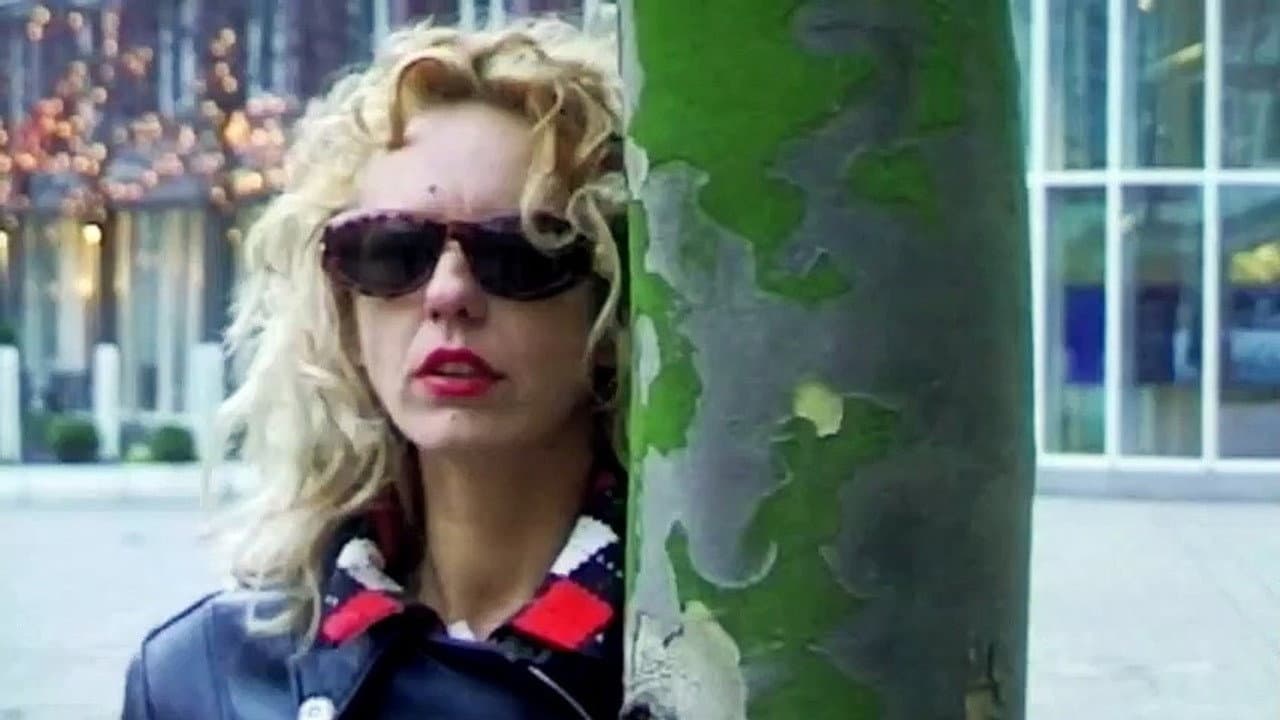
Drop Out tells the story of Marion—known to those around her as Nippelsuse—at a crossroads. She's just left her boyfriend, and with that decision comes a cascade of practical problems: nowhere to live, no steady income, and the looming question of what comes next. Rather than spiral into despair or crawl back to her old life, Marion makes a bold choice. She decides to become a private detective. It's a move that speaks to something defiant in her character, a refusal to accept the script that's been handed to her. Almost immediately, she lands a case: follow someone's unfaithful girlfriend. What seems like a straightforward job—surveillance, documentation, paycheck—becomes the entry point into a larger story about survival, identity, and what it means to build a life on your own terms.
Behind the Making of Drop Out
Drop Out emerged from Wolfgang Büld Filmproduktion in 1998, a time when German cinema was grappling with social realism and character-driven narratives. The film runs 98 minutes, lean and purposeful—no wasted time, much like Marion herself. The production reflects a particular moment in European filmmaking when intimate, unglamorous stories about ordinary people facing economic and emotional precarity were finding their audience. While the film didn't achieve major international distribution or rack up festival prizes, it represents the kind of mid-budget drama that Movie OTT specializes in surfacing: films that might have slipped through the cracks of mainstream attention but carry genuine artistic intention. The cast and crew brought a documentary-like sensibility to the material, treating Marion's world—the cramped apartments, the morally gray work of private investigation, the small humiliations of starting over—with unflinching specificity rather than melodrama.
What Makes Drop Out Stand Out
Honestly, what's striking about Drop Out is how it refuses easy answers. Marion isn't a hero in the conventional sense. She's not particularly likable, and she's not particularly virtuous either. She's just a woman doing what she has to do, and the film trusts that's enough. The performances ground the narrative in something tactile and real—you can feel the weight of her choices, the fatigue of reinvention. The private detective angle could've been a gimmick, a way to inject false excitement into what's essentially a character study. Instead, it becomes a metaphor. Following someone else's unfaithful partner, Marion is literally watching other people's lives fall apart while trying to hold her own together. That's the kind of thematic coherence that separates thoughtful filmmaking from mere plot mechanics. What I keep coming back to is the film's refusal to sentimentalize poverty or struggle. There's no violin swell when Marion gets her first paycheck. There's just the quiet acknowledgment that survival, day to day, is its own kind of victory. The IMDb rating of 4.2/10 reflects perhaps a mismatch between what audiences expected and what the film actually delivers—not a thriller, not a redemption arc, but something more ambiguous and human.
Where to Stream Drop Out Online
Drop Out is available across major OTT platforms, making it accessible to anyone curious about 1990s European drama. The "Where to Watch" widget at the top of this page shows you exactly which services currently carry the film in your region—availability shifts, so it's worth checking there first rather than hunting across multiple apps. Since Movie OTT aggregates streaming data across platforms, you can bookmark this page and return to it if you miss the film the first time around. The 98-minute runtime makes it an easy weeknight watch, and the film's intimate scale means it actually benefits from the focused attention a home viewing demands. No need for a theater or a crowd—just Marion, her new life, and whatever you bring to watching her navigate it.
Frequently asked questions
Q: Is Drop Out based on a true story?
There's no indication that Drop Out is drawn from a specific real-life case. Instead, it's a fictional exploration of themes that were very real in 1990s Germany: economic instability, the gig economy before we had that term, and the particular vulnerability of women starting over.
Q: Who directed Drop Out?
The film was produced by Wolfgang Büld Filmproduktion, a production company that worked on several German dramas during this period. While specific directorial credits aren't always readily available for films of this era and budget, the production company's fingerprints are all over the film's aesthetic and sensibility.
Q: What does the title "Drop Out" mean?
The title works on multiple levels. Marion drops out of her relationship, out of her previous life, and in a sense out of conventional society by taking on unconventional work. It's a title about disconnection and reinvention, about what happens when you step outside the expected path.
Q: How long is Drop Out?
The film runs 98 minutes, which is a fairly standard feature length. It's long enough to develop character and situation without overstaying its welcome.
Q: Where can I watch Drop Out?
Drop Out is currently available on major streaming platforms. Check the "Where to Watch" widget on this page for the most up-to-date availability in your region, as streaming rights shift regularly across services.
Final Thoughts on Drop Out
Drop Out isn't a film that announces itself or demands your attention. It's quiet, unglamorous, and deeply human—the kind of movie that sticks with you not because of plot twists or dramatic revelations, but because you've spent time with a character who feels real. If you're tired of streaming the same mainstream fare and you're looking for something with actual substance, something that trusts its audience to sit with ambiguity and complexity, this one's worth your time. It won't change your life, but it might change how you think about survival, reinvention, and what it means to keep going when the world doesn't make room for you.