The story of Ebirah, Horror of the Deep
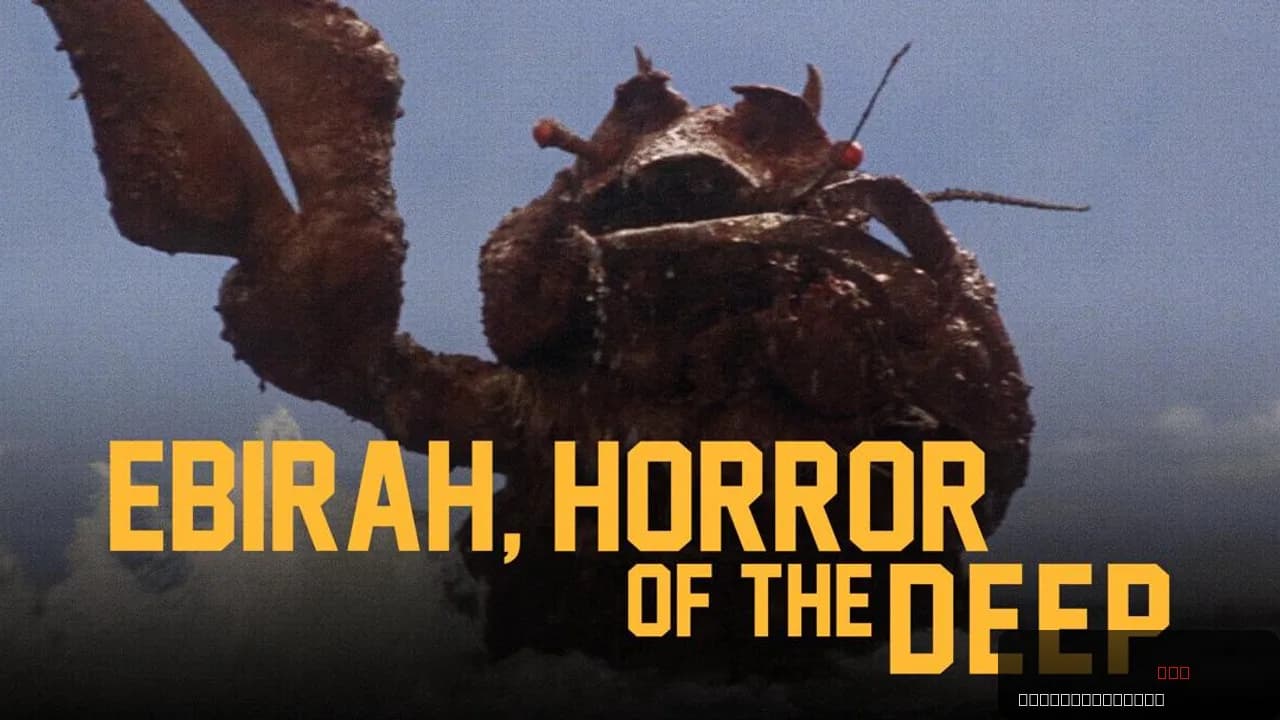
Ebirah, Horror of the Deep tells the story of a teenager determined to find his brother, who'd stowed away aboard a criminal's boat. When that vessel wrecks near a remote, fog-shrouded island, our hero must navigate a world far more sinister than he bargained for. The island isn't abandoned — it's a fortress controlled by a terrorist organization running a slave labor operation. But the real threat? A colossal crustacean monster called Ebirah, which guards the waters and crushes ships like toys. To survive, to rescue his brother, to escape this nightmare. He needs to wake something even more powerful. Enter Godzilla. The 1966 film doesn't take itself too seriously, and that's exactly what makes it work.
Behind the making of Ebirah, Horror of the Deep
Director Jun Fukuda helmed this seventh entry in the Godzilla franchise during a period when Toho was experimenting with the formula. The studio wanted adventure, spectacle, and a lighter touch than the early, more somber kaiju films. Fukuda delivered exactly that. The cast — led by Akira Takarada, Kumi Mizuno, and Akihiko Hirata — brought credible dramatic weight to what could have been pure B-movie nonsense. Eiji Tsuburaya's special effects team, under the supervision of Sadamasa Arikawa, created practical suits and miniatures that, while obviously rubber and metal by today's standards, conveyed genuine scale and menace. Haruo Nakajima, who'd played Godzilla in multiple films, once again donned the suit, while Hiroshi Sekita brought Ebirah to life with a performance that's surprisingly expressive for a giant bug monster. The film was shot in 86 minutes of lean, efficient storytelling — no fat, no unnecessary subplots. Rated PG by the MPAA, it was positioned as family entertainment, though it doesn't shy away from violence or darker themes. The budget constraints of 1960s Japanese cinema are evident, but they never feel like limitations; they feel like creative choices.
What makes Ebirah, Horror of the Deep stand out
Honestly, what strikes me most about this film is how it refuses to be just a monster showcase. Yes, Godzilla shows up (and the moment he does is genuinely thrilling), and yes, the creature effects are the draw. But the human drama — the desperation of a kid searching for family, the moral clarity of the enslaved workers, the casual villainy of the terrorists — gives the monster scenes actual weight. The performances don't wink at the camera. Takarada plays his character with genuine urgency; Mizuno grounds the sci-fi elements with intelligence and agency. The thing nobody mentions is how well the film paces itself. It's not all monsters all the time. There's intrigue, there's exploration, there's a sense of discovery as our heroes uncover the island's secrets. When Godzilla finally arrives, it doesn't feel like a deus ex machina — it feels earned, almost inevitable. Critics gave it a 63% on Rotten Tomatoes, which seems about right for a film that straddles camp and sincerity without fully committing to either. The IMDb score of 5.5 reflects a certain divisiveness, but that's often the mark of something genuinely interesting — it doesn't play it safe, so not everyone connects with it. What's striking is how the film trusts its audience to enjoy both the monster spectacle and the human stakes simultaneously.
How to stream Ebirah, Horror of the Deep online
Ebirah, Horror of the Deep is currently available on Netflix, making it easier than ever to revisit this 1966 kaiju adventure. If you're using Movie OTT to track where films are streaming, you'll find the platform listed in the widget at the top of this page — it updates in real time as availability shifts across services. Netflix's library includes a solid collection of classic Toho monster films, so if you're planning a Godzilla marathon, you're in luck. The film's 86-minute runtime makes it perfect for a single sitting, and the PG rating means it's genuinely accessible to younger viewers who are curious about the franchise's roots. Availability does change region to region, so double-check your local Netflix catalog before settling in.
Frequently asked questions
Q: Who directed Ebirah, Horror of the Deep?
Jun Fukuda directed this 1966 entry in the Godzilla franchise. Fukuda brought a lighter, more adventure-focused sensibility to the kaiju formula compared to earlier, more serious entries in the series.
Q: Is Ebirah, Horror of the Deep based on a true story?
No, it's an entirely fictional story. The plot — a teenager rescuing his brother from a terrorist-controlled island guarded by a giant crustacean monster — is pure kaiju cinema invention, though it draws on adventure and sci-fi tropes that were popular in 1960s Japanese film.
Q: Does Godzilla appear in Ebirah, Horror of the Deep?
Yes, Godzilla plays a significant role, though he doesn't appear until partway through the film. The monster serves as the key to the characters' survival on the island.
Q: What other monsters appear in the film?
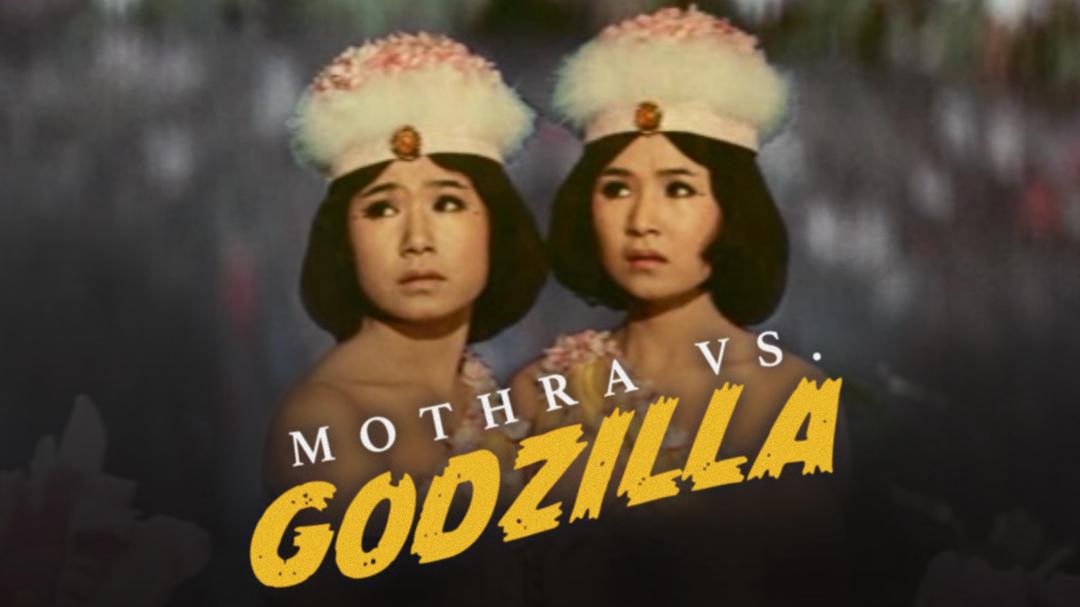
Ebirah, the giant crustacean, is the film's primary antagonist. Mothra also makes an appearance, adding another layer of monster spectacle to the proceedings.
Q: Where can I watch Ebirah, Horror of the Deep right now?
The film is currently streaming on Netflix. Check the Where to Watch widget at the top of this page for the most up-to-date availability across all platforms.
Final thoughts on Ebirah, Horror of the Deep
Ebirah, Horror of the Deep doesn't get the love it deserves. It's not the most iconic Godzilla film, sure, but it's genuinely entertaining — a film that understands the appeal of monster mayhem without forgetting to tell a human story. If you're a kaiju fan, it's essential viewing. If you're new to the franchise, it's a fun entry point that won't demand you've seen ten films first. The performances anchor it, the effects charm it, and the pacing keeps it moving. It's the kind of film that rewards curiosity, and that's worth your time.