Mothra vs. Godzilla: The 1964 Kaiju Film That's Still Sharp Today
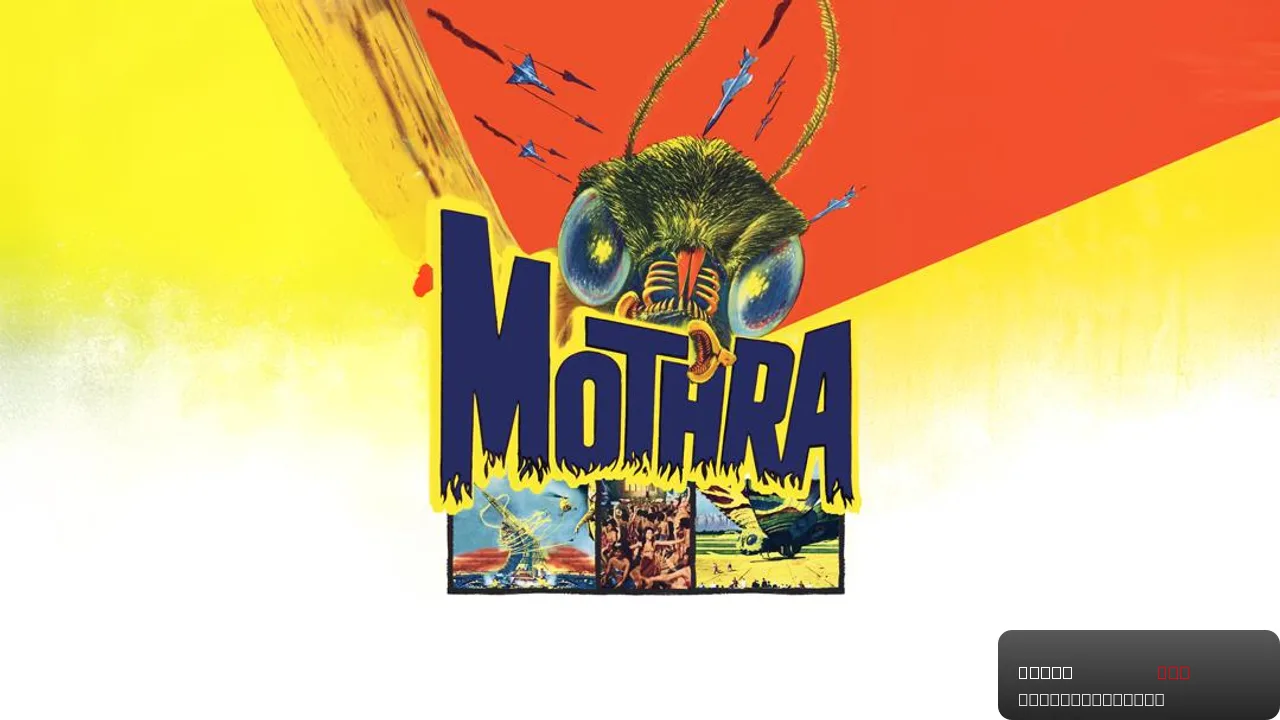
Mothra vs. Godzilla (1964) opens with a typhoon washing something massive ashore — a glowing egg, colossal and mysterious. Developers see profit. Reporters see danger. Nobody sees what's actually coming. Within 90 minutes, you get what this film does best: spectacular monster action wrapped around a genuinely pointed critique of postwar Japan's relationship with greed, nuclear anxiety, and treating nature as a commodity to exploit.
If you've only watched the modern MonsterVerse Godzilla films, this one will surprise you. It's leaner, sharper, and frankly more interested in why these monsters matter than just how hard they can punch.
Why This 1964 Film Still Works — and Why You Should Care
Here's the thing nobody mentions often enough: Mothra vs. Godzilla isn't really about two monsters fighting. It's about a dying creature choosing sacrifice over survival to protect her offspring — and the humans scrambling around trying to prevent a catastrophe caused by corporate negligence.
The film opens with photographer Yūko Nakanishi (Yuriko Hoshi) and reporter Ichiro Sakai (Akira Takarada, returning from the original 1954 film) investigating the egg. What should be a human-interest story becomes an existential threat when Godzilla emerges from the sea. Their only hope? Convince Mothra — already exhausted from laying her eggs — to fight a nuclear-powered apex predator. She's not a weapon. She's a last resort.
Director Ishirō Honda brings the same thematic weight he brought to the original Godzilla. The special effects work by Eiji Tsuburaya is genuinely inventive for 1964 — the suit choreography, the miniature set destruction, the contrast between Godzilla's brutal stomping and Mothra's slow, luminous movement. You feel the difference between a weapon and a living thing.
What strikes me most is that final sequence: Mothra drapes her wing over her eggs to shield them from Godzilla's atomic breath. It's a moment of maternal grace in a film full of collapsing buildings and miniature tanks. Hard to pull off without getting maudlin. They do.
The Cast, the Crew, and a Franchise Milestone
Released April 29, 1964, Mothra vs. Godzilla became the fourth entry in what would become cinema's longest-running monster franchise. Honda and Tsuburaya were already a legendary team — they'd launched the entire mythology a decade earlier. By 1964, they had something to prove: that these films could be more than spectacle.
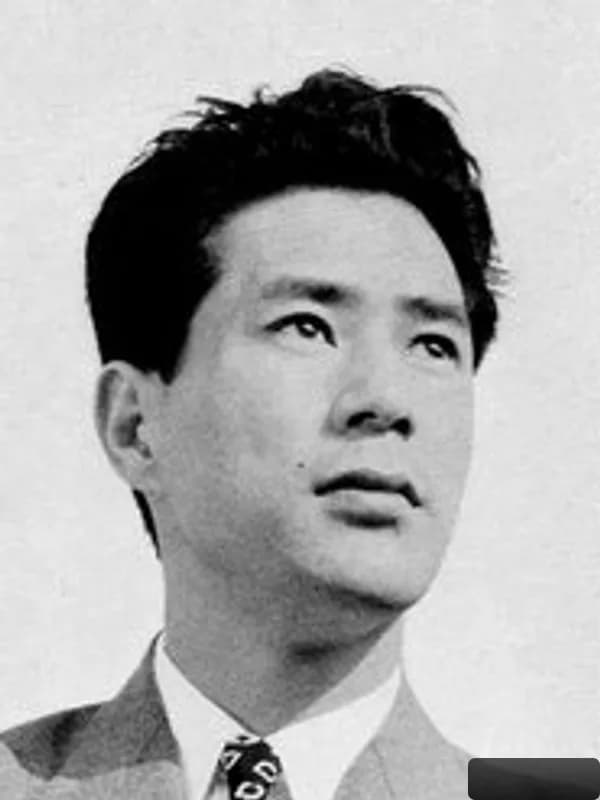
The human cast does heavy lifting here. Takarada brings skeptical energy without veering into camp. Hiroshi Koizumi plays Professor Miura with quiet authority. Kenji Sahara is memorably slimy as the opportunistic businessman — a character that wouldn't look out of place in a modern corporate thriller. And the Ito twins, Emi and Yumi, reprise their roles as the Shobijin (the tiny twin fairies who serve as Mothra's spiritual intermediaries). Their scenes carry an almost dreamlike quality that's hard to replicate.
The American release, retitled Godzilla vs. The Thing, was distributed by American International Pictures — allegedly to sidestep licensing complications around the Mothra name. Honestly, no idea if that actually fooled anyone.
What Makes This Different From Other Kaiju Films
Here's what I keep coming back to: the political edge. This isn't just monster-movie formula. Honda was critiquing Japan's postwar turn toward industrial capitalism — the villains aren't Godzilla or even the nuclear threat that spawned him, but the businessmen treating a sacred natural entity as a theme-park attraction. In 1964, that was pointed.
Visually, Honda and Tsuburaya construct a sharp contrast. Godzilla is all brute force — stomping, tail-whipping, firing atomic breath with contempt. Mothra is slow, luminous, clearly exhausted. She's not trying to win. She's trying to survive long enough to protect her young.
The pacing works too. Ninety minutes is exactly right — tight enough to stay propulsive without feeling rushed. The non-monster scenes don't drag. Hoshi's Yūko is sharper and more active than female characters typically got in this genre at the time. There's a reason genre historians consistently rank this among the essential Showa-era entries.
Where to Stream and Watch It
Mothra vs. Godzilla is currently on Netflix, making it one of the more accessible classic kaiju films in the streaming landscape. Streaming rights for older Toho titles shift without much warning — if you're planning a movie night, check Movie OTT's where-to-watch tracker first to confirm Netflix still has it in your region. They update availability across major platforms in real time, so you won't waste time on the wrong service.
The version you'll find is subtitled. A clean transfer. Worth the time.
Is It a Sequel? Do You Need to Watch Something First?
Mothra vs. Godzilla is a crossover rather than a strict sequel. It draws on characters and mythology from the 1961 Toho film Mothra — the Shobijin twins, the island mythology, the creature's sacred status — but it sits within the Godzilla franchise continuity as the fourth film in that series.
Here's the honest answer: you don't need prior knowledge. But if you care about where the mythology comes from, watch the original Godzilla (1954) first, then this one. Each adds weight to the other. The original shows you why Godzilla exists as a symbol of nuclear terror. This film shows you what happens when nature — represented by Mothra — is forced to meet that terror head-on.
Movie OTT has both available if you want to go in order.
The Bottom Line: Should You Actually Watch It?
Yes. Not as nostalgia, not as a completist footnote, but as a genuinely well-constructed film with something to say. If you've seen the recent MonsterVerse films and want to understand where this mythology actually came from — the thematic weight, the visual language, the sense that monsters matter because they mean something — this is the one.
It's 90 minutes. It's free on Netflix (for now). You can watch it tonight.
Do that.