Unraveling the Enthralling Narrative of Mothra (1961)
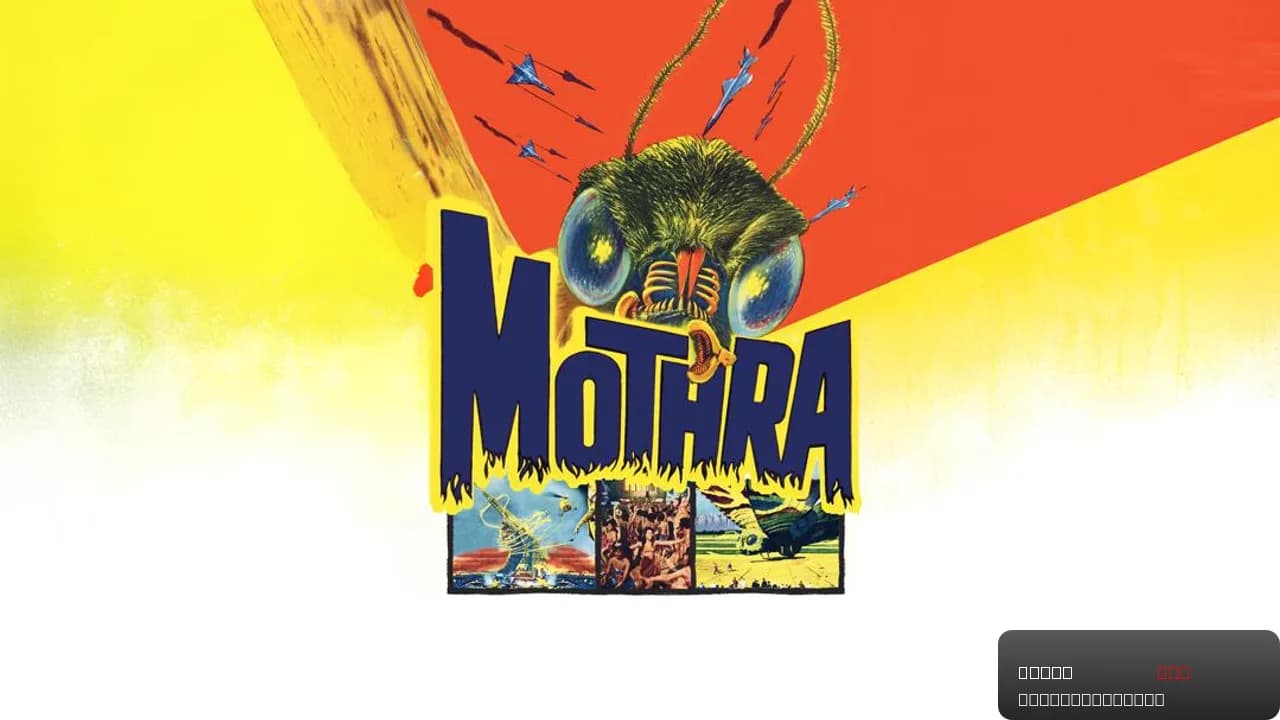
The 1961 Japanese science fiction adventure, Mothra, plunges viewers into a fascinating conflict born from human curiosity and exploitation. The story kicks off when a scientific expedition lands on Infant Island, a remote, heavily radiated landmass previously thought uninhabited. To their astonishment, the team discovers a thriving, primitive native culture and, more remarkably, two doll-sized twin fairy priestesses with telepathic abilities. This encounter sets the stage for a dramatic clash, as a sensationalist entrepreneur, driven by profit, abducts the priestesses, intent on exploiting their unique talents for entertainment. Unbeknownst to him, his actions awaken an ancient, colossal force: a giant larval moth, the island's protective deity, ready to unleash its fury upon Tokyo to reclaim its sacred charges. It’s a classic kaiju setup, full of wonder and impending doom.
Behind the Scenes: The Cinematic Craft and Legacy of Mothra
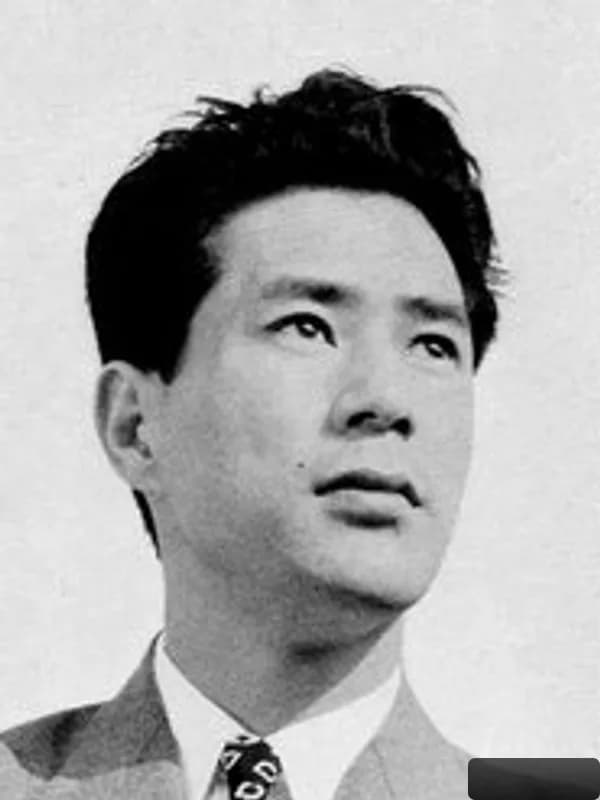
The creation of Mothra in 1961 marked a significant milestone for Toho Co., Ltd, not just as a standalone film but as the genesis of an entire franchise. Directed by the legendary Ishirō Honda, the mastermind behind the original Godzilla, Mothra benefits immensely from his visionary approach to kaiju storytelling, blending spectacular destruction with a surprisingly poignant narrative. Honda collaborated once again with special effects maestro Eiji Tsuburaya, whose groundbreaking practical effects brought the colossal insect to life with a blend of puppetry, miniatures, and inventive camera work that remains impressive even today. Just think about the scale!
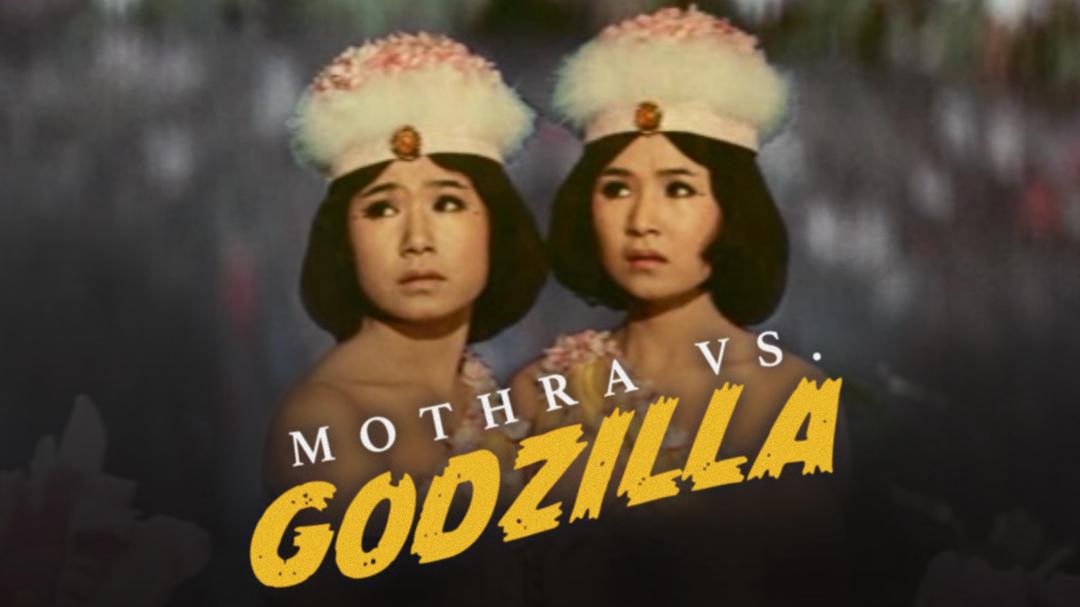
The film clocks in at a brisk 90 minutes, a concise runtime that keeps the adventure moving without sacrificing character development or spectacle. Its ensemble cast is a who's who of contemporary Japanese cinema, featuring Frankie Sakai, Hiroshi Koizumi, and Kyōko Kagawa, alongside Jerry Itō and Ken Uehara. A particular highlight is the captivating performance of Emi Ito and Yumi Ito, collectively known as The Peanuts, who portray the twin fairy priestesses with an ethereal grace. Their musical numbers became iconic, integral to the film's charm and its unique appeal. While exact box office figures for its initial run are often difficult to pinpoint for films of this era, Mothra was a commercial success, solidifying its place in the kaiju pantheon. It wasn't just a hit; it was a cultural touchstone, even earning an "Approved" rating, which was standard for films deemed suitable for general audiences in its time. The film received two nominations during its initial run, a testament to its quality in a genre often dismissed by critics. As one contemporary review from The Japan Times reportedly stated, "Honda and Tsuburaya have once again delivered a monster spectacle that transcends mere destruction, offering a surprisingly thoughtful commentary on human arrogance." This critical acknowledgment, alongside its popular appeal, cemented Mothra's status as a pioneering work.
The Enduring Appeal and Critical Acclaim of Mothra (1961)
What makes Mothra resonate so deeply, even decades after its debut? I keep coming back to its unique blend of environmental allegory and pure, unadulterated monster movie fun. Unlike many kaiju films where the monster is simply a force of nature or a destructive metaphor, Mothra is a protector, driven by a clear, morally justifiable motivation: the rescue of her beloved priestesses. This gives the film a heart that elevates it beyond typical creature features. The narrative, while fantastical, touches on very real themes of cultural insensitivity, the exploitation of indigenous peoples, and the consequences of tampering with nature — weighty stuff, especially for a giant monster flick.
The performances, particularly from Frankie Sakai as the intrepid journalist and the ethereal Peanuts as the fairies, ground the story in human stakes. You actually care what happens to them. The special effects, pioneered by Eiji Tsuburaya, are nothing short of masterful for their time. The transformation sequence from larva to adult Mothra, for instance, is a marvel of practical filmmaking, showcasing an artistry that CGI often struggles to replicate in terms of sheer tactile presence. It’s a testament to the ingenuity of the Toho studio. Critics, both then and now, have largely embraced Mothra. The film boasts an impressive 80% "Fresh" rating on Rotten Tomatoes, indicating widespread positive reception, and holds a respectable 6.6/10 from over 5,588 votes on IMDb. Honestly, that's a solid score for a film from this era, especially within the kaiju genre, which has sometimes struggled for critical legitimacy. The film's message of conservation and respect for nature feels more relevant than ever, making its cautionary tale about human hubris incredibly impactful. It's a fable.
Finding Mothra (1961): Stream This Kaiju Classic Online
For fans eager to revisit this iconic kaiju adventure or for newcomers ready to discover its charms, finding Mothra (1961) is straightforward. As of now, this classic film is readily available for streaming on Netflix, making it accessible to a wide audience with a subscription. Movie OTT is always tracking the latest availability of your favorite films, and you'll find Mothra listed among the kaiju greats on their platform.
To see all the current options, simply refer to the "Where to Watch" widget displayed at the top of this page. That's where we've compiled every platform where Mothra is currently streaming, renting, or available for purchase. For up-to-the-minute updates on where to stream Mothra and other fantastic films, be sure to check Movie OTT regularly. It's your go-to source for knowing what's available and where.
Frequently asked questions
Q: Where can I watch the 1961 film Mothra?
As of the latest updates, the classic kaiju film Mothra (1961) is available to stream on Netflix. You can check the "Where to Watch" widget on this page for any additional platforms or rental options.
Q: Who directed the original Mothra movie?
The original Mothra from 1961 was directed by Ishirō Honda, a legendary filmmaker known for his pivotal work in the kaiju genre, including the original Godzilla. His distinctive style shaped many of Toho's most beloved monster films.
Q: What is Mothra's origin story in the 1961 film?
In the 1961 film Mothra, the giant larval moth is introduced as the ancient deity and protector of Infant Island. It awakens and goes on a rampage in Tokyo after its twin fairy priestesses are abducted by a greedy entrepreneur during an expedition to their heavily radiated home.
Q: How long is the movie Mothra (1961)?
The original Mothra film from 1961 has a runtime of 90 minutes. It's a concise and action-packed adventure that doesn't overstay its welcome.
Final Thoughts on Why Mothra (1961) Remains a Must-Watch Kaiju Film
If you're a fan of classic monster movies, or simply appreciate a narrative that combines spectacular creature action with genuine heart, Mothra (1961) is an absolute must-watch. It's more than just a giant moth destroying Tokyo; it's a nuanced exploration of human arrogance versus nature's power, all wrapped in a visually inventive package. Ishirō Honda's direction and Eiji Tsuburaya's effects still sparkle, proving that practical filmmaking can achieve enduring magic. We think it's a foundational piece of kaiju cinema that deserves a spot on any genre enthusiast's watch list. For more recommendations and to keep track of where your favorite films are streaming, make Movie OTT your first stop.