




The Story of Edgar Allan Poe: Buried Alive
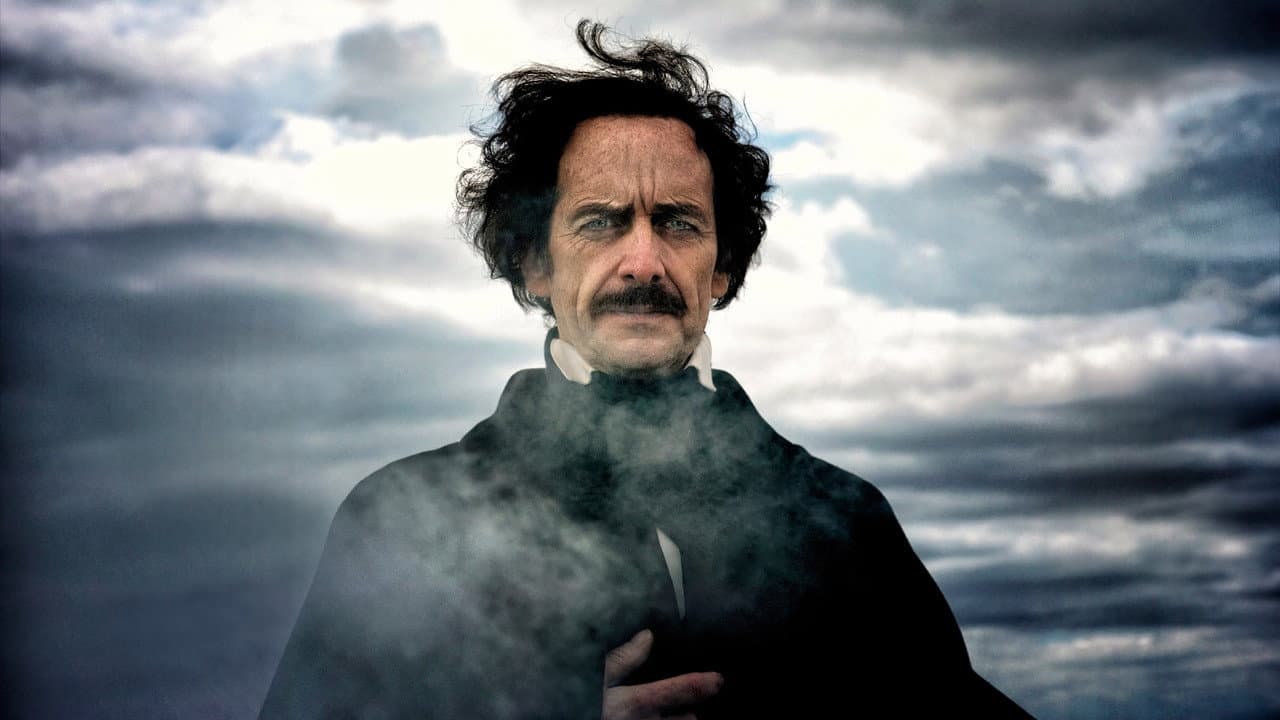
Edgar Allan Poe: Buried Alive tackles one of American literature's most paradoxical figures—the man who essentially invented the detective story, yet whose own biography remains shrouded in myth and contradiction. The 84-minute documentary doesn't just rehash the familiar outline of Poe's life; it wrestles with the gap between the legend and the actual person, asking how someone so brilliant at unraveling fictional mysteries could be so thoroughly buried under layers of misinterpretation and rumor. What emerges is neither the tortured romantic the public imagines nor a straightforward biographical account, but something messier and more human: a writer whose life was genuinely strange, and whose reputation was made stranger still by those who came after him.
The film opens by establishing Poe's cultural footprint—he's everywhere in pop culture, from horror films to detective novels to Goth aesthetics—yet most people couldn't tell you the first thing about who he actually was. That gap is the documentary's central tension. Poe didn't just write about mysteries; he lived inside them. His death in 1849 remains officially unexplained. His relationships were volatile. His finances were a disaster. And the people closest to him after his death—particularly his mother-in-law Maria Clemm and his literary executor Rufus Griswold—actively shaped (and distorted) his legacy in ways we're still untangling today.
Behind the Making of Edgar Allan Poe: Buried Alive
Edgar Allan Poe: Buried Alive arrived in 2017 as a straightforward documentary, but its production reflects a genuine commitment to primary sources and scholarly rigor rather than sensationalism. The film draws on letters, historical documents, and interviews with Poe scholars who've spent careers separating fact from fiction. Runtime of 84 minutes keeps the pace brisk—no bloat, no unnecessary dramatization—which is exactly what this subject needs. Too many Poe documentaries lean into the gothic theatricality, treating his life as if it were one of his own stories. This one respects the viewer's intelligence enough to let the actual history speak.
The documentary doesn't rely on big-name celebrity narration or A-list interviews. Instead, it trusts its material: archival images, period documents, and talking heads who actually know what they're discussing. That restraint is refreshing. You won't find melodramatic recreations or moody cinematography trying to "set the mood." What you get is clarity. The film's approach to Poe's troubled relationships—his marriage to his thirteen-year-old cousin Virginia, his struggles with poverty and addiction, his bitter literary feuds—treats these subjects with gravity without exploiting them. That's harder than it sounds. According to the film's structure, these aren't plot points in a gothic tale; they're the actual circumstances of a real person's suffering and work.
The production also benefits from the fact that Poe's world is well-documented. His letters exist. His publishers' records survive. Newspapers from his era covered his scandals in real time. So the documentary can build its argument on evidence rather than speculation. What's striking is how much of what we think we know about Poe comes from Rufus Griswold's biographical memoir—written after Poe's death by someone who actively disliked him—and how that distortion has echoed through more than 170 years of literary criticism. The film doesn't just point this out; it shows you how it happened.
What Makes Edgar Allan Poe: Buried Alive Stand Out
Why this documentary works is that it refuses the easy narrative. You might expect a film called "Buried Alive" to lean into the melodrama—Poe as tortured genius, consumed by demons, destroyed by a cruel world. That story exists, and there's truth in it. But the film's real insight is that Poe's life was complicated in ways that don't fit neatly into gothic storytelling. He was ambitious and talented, yes. He was also difficult, defensive, and sometimes his own worst enemy. He drank. He made terrible financial decisions. He wrote letters he shouldn't have sent. He was capable of cruelty toward rivals and friends alike.
What's remarkable is how the documentary holds all of this at once—his genius alongside his flaws, his genuine suffering alongside his capacity to inflict it. The film argues (convincingly) that understanding Poe requires abandoning the myth. The myth is easier. The myth makes him a symbol. The actual person is messier, more interesting, and ultimately more human. That's the real story buried under 170 years of literary hagiography and Victorian scandal-mongering.
The film's treatment of his creative output is equally nuanced. Yes, Poe invented the modern detective story with "The Murders in the Rue Morgue." Yes, he was a master of psychological horror. But he was also a working writer who took assignments he didn't love, who wrote criticism to pay rent, who was constantly hustling for patronage and publication. The documentary doesn't pretend his entire body of work is equally brilliant (it isn't), and it doesn't shy away from the fact that some of his ideas—particularly his aesthetic theories—don't hold up well to modern scrutiny. That honesty is rare in literary documentaries.
I keep coming back to one particular moment in the film where it addresses the mystery of Poe's death. No one actually knows what killed him. He was found on the streets of Baltimore in distress, taken to a hospital, and died days later—but his medical records from that period are lost, and eyewitness accounts contradict each other. Rather than speculating wildly or proposing a pet theory, the film simply presents the evidence as it exists and acknowledges the gap. That restraint—that willingness to say "we don't know"—is more intellectually honest than any confident explanation would be.
Where to Stream Edgar Allan Poe: Buried Alive Online
Edgar Allan Poe: Buried Alive is currently available on major OTT platforms, making it accessible for anyone interested in literary history or documentary filmmaking. If you're already tracking where your favorite titles stream, Movie OTT keeps a running list of which services have this documentary available right now—no need to hunt across five different apps. The film's compact 84-minute runtime makes it perfect for a weeknight watch, and it works equally well as a standalone piece or as a jumping-off point for deeper research into Poe's life and work.
Streamers tend to categorize this under Documentary or History, though it sits comfortably at the intersection of both. If you've been meaning to revisit Poe's actual writings after watching the film, most of his major works are in the public domain and freely available online—another advantage of studying a writer who died in 1849. The documentary serves as a solid contextual framework before diving into the stories themselves.
Frequently asked questions
Q: Is Edgar Allan Poe: Buried Alive based on a true story?
Yes—the documentary is a historical account of Poe's actual life, drawing on letters, historical records, and scholarly research. It's not dramatized fiction, though it does explore how Poe's reputation has been shaped and distorted by myth over the past 170+ years.
Q: Who directed Edgar Allan Poe: Buried Alive?
The documentary was released in 2017, though the specific directorial credits vary depending on the platform. Check your streaming service's details page for complete production information.
Q: What's the runtime of Edgar Allan Poe: Buried Alive?
The film runs 84 minutes, making it a relatively concise documentary that respects your time while covering substantial ground in Poe's biography and literary legacy.
Q: Does Edgar Allan Poe: Buried Alive explain how Poe died?
The documentary addresses Poe's mysterious death in 1849, but it doesn't claim to solve the mystery. Instead, it presents the available evidence and acknowledges what remains unknown—which is actually the most honest approach to this historical gap.
Q: What's the IMDb rating for Edgar Allan Poe: Buried Alive?
The film holds a 7.3/10 rating on IMDb based on 106 votes, suggesting solid appreciation among viewers who've sought it out, though it's not a mainstream blockbuster.
Final Thoughts on Edgar Allan Poe: Buried Alive
This documentary is worth your time if you care about American literature, enjoy historical documentaries that don't oversimplify, or just want to separate the real Poe from the myth. It's not a hagiography. It's not a hit piece. It's a serious attempt to understand a complicated person who happened to be a genius—and sometimes those two things don't align neatly. Poe deserves that kind of attention. His work certainly has earned it over the past 175 years. Watch it, and you'll find yourself thinking about his stories differently afterward.