








The Story of Ernest & Celestine
Ernest & Celestine opens in a world where mice and bears exist in strict separation—a social divide so ingrained that children grow up fearing the other species. Celestine, a young mouse, doesn't fit the mold her society expects. While her peers are being groomed for dental careers, she dreams of drawing and art. Ernest, a large bear living on the fringes of bear society, craves something more than the hunting and survival his kind takes for granted. When these two outsiders meet, they discover an unexpected kinship. What starts as a chance encounter spirals into something neither planned: a partnership in petty theft that becomes the vehicle for their self-discovery. It's a premise that sounds wild on paper—and it is—but the film handles it with such warmth and humor that you're won over within minutes.
The genius of Ernest & Celestine lies in how it uses crime not as a moral statement but as a metaphor for rebellion against conformity. These aren't hardened criminals; they're artists and dreamers using theft as an act of freedom. There's a lightness to their scheme that keeps the film from ever feeling dark or cynical, even as it winks at the "Bonnie and Clyde, Sid and Nancy" comparisons the marketing promises.
Production, Awards, and the Journey from Page to Screen
Ernest & Celestine didn't emerge from nowhere. The film is based on a beloved series of children's books by Belgian author and illustrator Gabrielle Vincent, first published in the early 1980s. Bringing those illustrations to life required a collaborative vision, and the film was directed by Stéphane Aubier, Vincent Patar, and Benjamin Renner—three Belgian animators who understood the source material's heart while daring to expand its scope. The production itself was a European affair, with support from Les Armateurs, StudioCanal, and a consortium of French and Belgian broadcasters including France 3 Cinéma and RTBF.
The film's pedigree showed immediately. Ernest & Celestine was selected for the Directors' Fortnight section at the 2012 Cannes Film Festival, a significant honor that signaled serious artistic intent behind the animation. It also played the Toronto International Film Festival's TIFF Kids programme and screened at the 2013 Hong Kong International Film Festival—a festival circuit that speaks to its cross-cultural appeal. The film's runtime of 80 minutes keeps it brisk and engaging, never overstaying its welcome. On IMDb, it holds a solid 7.755 rating, reflecting a broad consensus that this isn't just a kids' movie, but something with genuine staying power across age groups. If you're tracking down where animated films are landing these days, Movie OTT aggregates streaming availability across platforms so you don't have to hunt.
What Makes Ernest & Celestine Stand Out
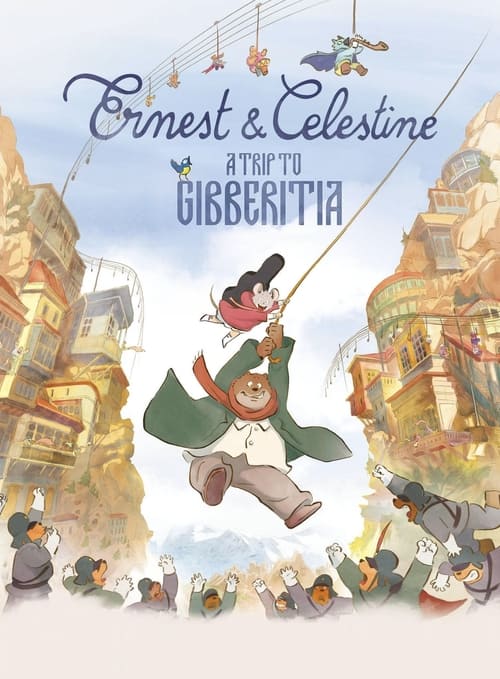
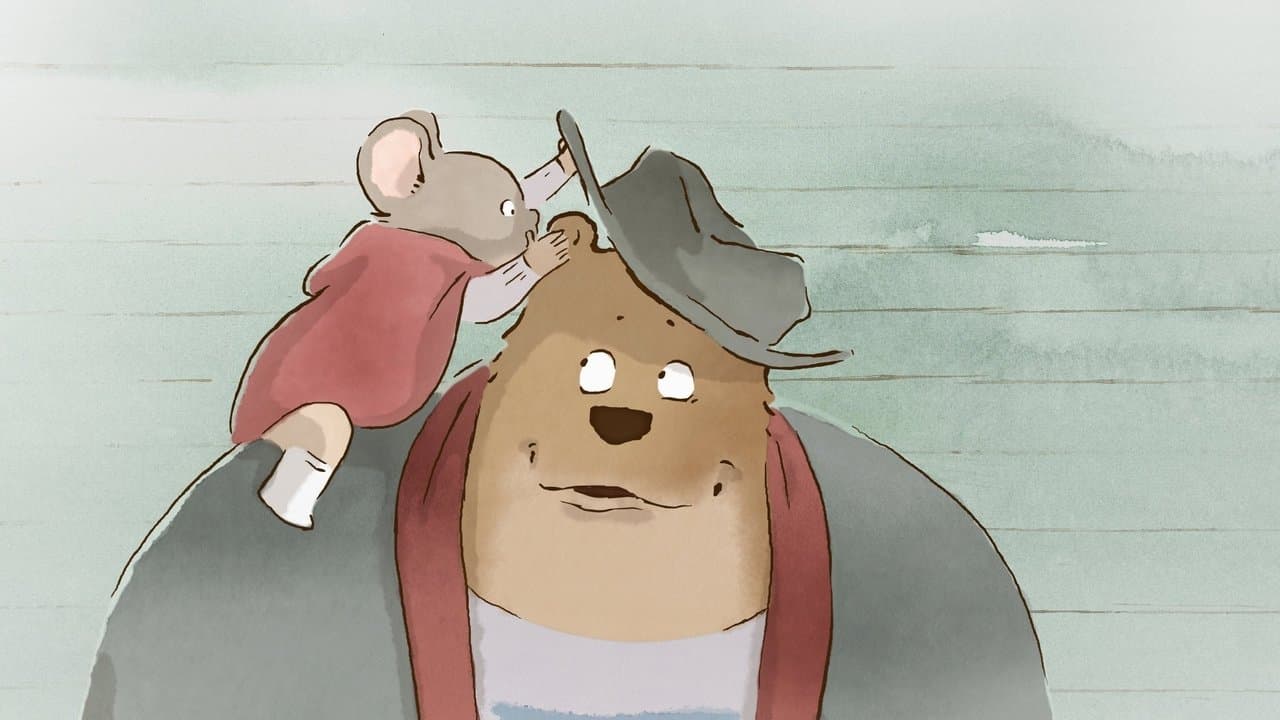
What's striking about Ernest & Celestine is how it balances two completely different tones—the gentle, almost cozy charm of a children's picture book, and the scrappy energy of a crime-comedy caper. The animation style itself reflects this duality. The character designs are soft and inviting, with Ernest's size and Celestine's diminutive frame creating natural visual comedy just through their physical contrast. Yet the film doesn't shy away from depicting real tension between these two characters; they argue, they misunderstand each other, and there are moments where you genuinely wonder if their partnership will survive.
The voice performances anchor everything. Without spoiling specific casting choices, what matters is that both leads—Ernest and Celestine—are voiced by actors who understand comic timing and emotional nuance in equal measure. There's a scene early on where Ernest tries to convince Celestine that stealing isn't actually wrong, and the way the dialogue plays suggests both characters are improvising their moral philosophy on the fly. That's good voice direction.
I keep coming back to how the film treats its premise. It would've been easy to make Ernest & Celestine a simple "unlikely friends" story with a heist grafted on. Instead, the filmmakers trust that kids can handle moral ambiguity—that Celestine and Ernest's crimes aren't presented as heroic, but as understandable choices made by people who don't fit into the boxes society built for them. The film never lectures. It just shows you two characters choosing each other over the rules they were born into, and somehow that's enough.
Where to Stream Ernest & Celestine Online
Ernest & Celestine is available across major OTT services. Rather than listing each platform individually here, check the "Where to Watch" widget at the top of this page—it's updated in real time to show you exactly which streaming services currently have it in your region. Availability shifts regularly, so Movie OTT tracks current streaming status across Netflix, Prime Video, and other platforms so you can find it instantly without the usual back-and-forth. The film's 80-minute runtime makes it perfect for a quick weeknight watch, whether you're introducing it to younger viewers or rediscovering it yourself.
Frequently Asked Questions
Q: Is Ernest & Celestine based on a true story?
No, it's a fictional story—but it is based on a beloved series of children's books by Belgian author Gabrielle Vincent. The filmmakers adapted and expanded Vincent's characters into this animated feature, adding the crime-caper plot while staying true to the books' spirit of celebrating outsiders and nonconformity.
Q: Who directed Ernest & Celestine?
The film was directed by three Belgian animators: Stéphane Aubier, Vincent Patar, and Benjamin Renner. This collaborative approach brought multiple creative perspectives to adapting Vincent's source material.
Q: What's the runtime of Ernest & Celestine?
The film runs 80 minutes, making it a lean, fast-paced watch that doesn't overstay its welcome. It's long enough to develop real character depth but short enough to hold younger viewers' attention.
Q: Was Ernest & Celestine screened at major film festivals?
Yes. The film was selected for the Directors' Fortnight section at the 2012 Cannes Film Festival, the TIFF Kids programme at the 2012 Toronto International Film Festival, and the 2013 Hong Kong International Film Festival—recognition that signaled serious artistic merit beyond typical animated fare.
Q: Is Ernest & Celestine part of a series?
Ernest & Celestine is part of the Ernest & Celestine Collection, rooted in the original children's books. The 2012 film launched this particular adaptation, though Vincent's books have been beloved for decades.
Final Thoughts on Ernest & Celestine
Ernest & Celestine doesn't ask for much. It wants you to spend 80 minutes with two characters who don't belong anywhere, and then find that they belong with each other. The animation is warm without being saccharine, the humor lands for both kids and adults, and there's an undercurrent of genuine emotion running through the whole thing. It's the kind of film that sticks with you—not because it's flashy or trying too hard, but because it understands something true about outsiders and solidarity. If you haven't seen it yet, it's absolutely worth tracking down. And if you have, it's worth revisiting.