The story of Ever After: survival and sisterhood in the ruins
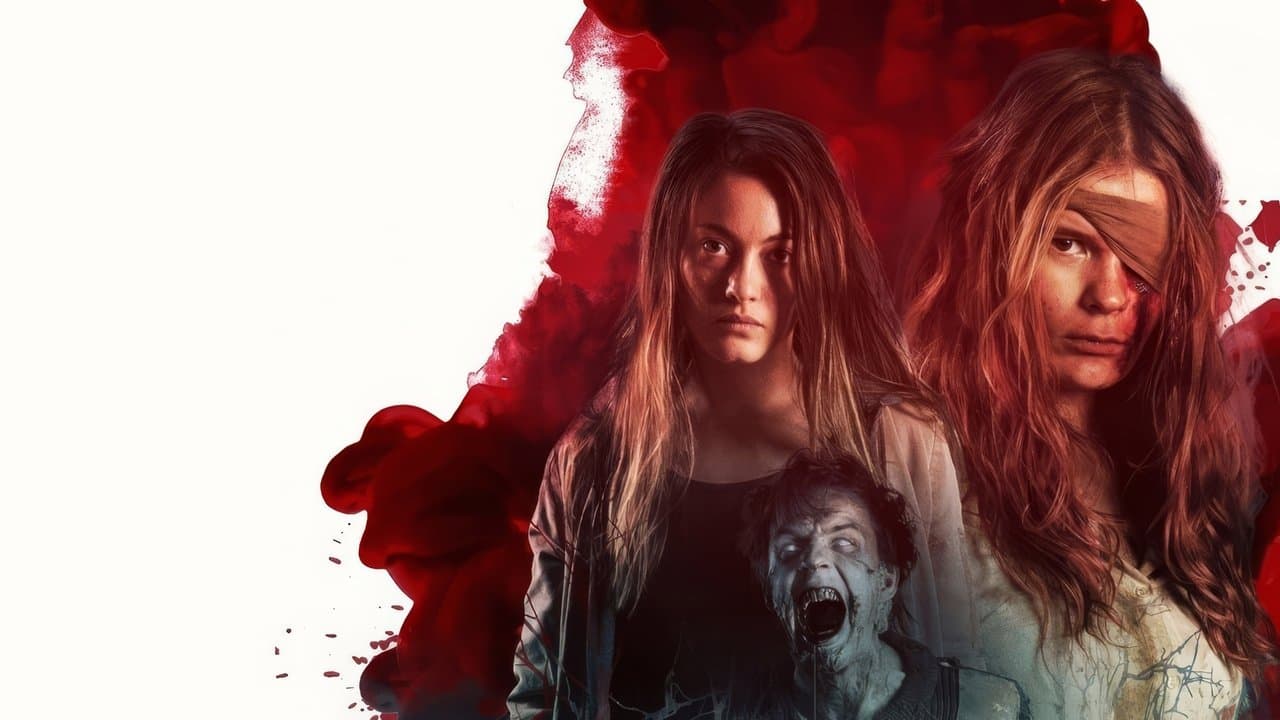
Ever After isn't your typical zombie story — it's something weirder and more intimate. Two years have passed since the undead overran the planet, and humanity has been compressed into two fragile pockets of civilization: Weimar and Jena, both in what was once East Germany. This is where Vivi and Eva exist, two women bound together not just by circumstance but by the weight of their own unresolved histories. They have to fight the zombies, sure, but the real battle? That's internal. The film frames this as an apocalyptic female buddy movie, which already signals something different from the usual post-collapse narrative — it's less about action heroics and more about what two people can mean to each other when everything else has been stripped away.
The premise is deceptively simple, but the execution aims for something that doesn't fit neatly into genre categories. You've got horror elements, obviously — the undead are a constant threat. But there's fantasy woven through it too, a kind of dreamlike quality to how the world is rendered. What's striking is how the film seems less interested in explaining the apocalypse and more interested in exploring how two people navigate trauma, trust, and survival in its aftermath. They're not heroes. They're just trying to stay alive and, maybe, help each other heal in the process.
Behind the making of Ever After: European co-production and artistic ambition
Ever After emerged from an interesting creative partnership: ARTE, Grown Up Films, and ZDF collaborated on this 2019 production, representing a distinctly European approach to genre filmmaking. That production lineup matters — ARTE is known for funding boundary-pushing work, and ZDF brings significant German broadcasting resources. This wasn't a Hollywood studio tentpole trying to maximize box office; it was a regional production with artistic ambition and a specific cultural context.
The film clocked in at 90 minutes, which is lean for a feature but allows for a tight, focused narrative without padding. There's no bloat here — every scene is meant to serve either the immediate survival plot or the deeper emotional archaeology between the two leads. The cast isn't stuffed with A-list names, which actually works in the film's favor; it keeps the focus on character and relationship rather than star power. On IMDb, the film sits at 5.25/10, which suggests it didn't achieve universal acclaim, but that's not uncommon for ambitious, unconventional genre work that refuses to play it safe. The rating reflects polarized reactions — some viewers likely found the tonal blend and character focus refreshing, while others wanted something more straightforwardly entertaining or action-driven.
The production design and world-building are where you can feel the European sensibility at work. German locations carry a particular weight and history, and the film doesn't shy away from that context. It's not glossy or Hollywood-fied; it feels lived-in and gritty, which serves the story's themes about survival and loss.
What makes Ever After stand out: character-driven horror in a collapsed world
What makes Ever After stand out is its refusal to treat the zombie apocalypse as mere backdrop. The undead are there, yes, but they're almost secondary to the real horror — the emotional damage these two women carry. Most post-apocalyptic films are about external threats: how do we survive the monsters, the scarcity, the chaos? Ever After flips that. The monsters are just the environment. The actual story is about two people who can't outrun their own histories, no matter how far they travel or how many undead they dispatch.
The performances anchor everything. Without strong work from the leads, this kind of intimate character study falls apart, especially in a horror context where you need the audience to care enough to sit with the emotional weight. I keep coming back to the fact that this is marketed as a female buddy movie, which is a genre unto itself — it's got its own rhythms and requirements. The chemistry between Vivi and Eva would have to carry long stretches where there's no action, just two people talking, remembering, fighting about the past. That's not easy to pull off. The film trusts its actors to make those moments matter.
The horror elements work best when they're about vulnerability. A zombie attack when you're already emotionally exposed hits different than a jump scare in a well-lit shopping mall. Here, the external threats are a mirror for internal ones — the danger outside forces the characters to confront what they've been avoiding inside. It's thematically coherent, which separates it from zombie films that just pile on gore and set pieces without connecting them to character or meaning.
Where to stream Ever After online
Ever After is available on major OTT services, which means you've got options depending on your existing subscriptions. Rather than hunting through fragmented catalogs, Movie OTT tracks where this title currently lives across platforms, so you can see exactly where to watch it without bouncing between apps. The streaming landscape shifts constantly — a film might move from one service to another, get delisted, or become available in new regions — so checking Movie OTT's "Where to Watch" widget at the top of this page gives you real-time accuracy instead of outdated information. If you're already subscribed to one of the major platforms, there's a solid chance Ever After is already in your library waiting to be discovered.
Frequently asked questions
Q: Is Ever After based on the 1998 Cinderella film?
No — this is a completely different film. The 1998 Ever After starring Drew Barrymore was a romantic period drama inspired by Cinderella. The 2019 Ever After is an independent German horror-fantasy with no connection to that earlier movie beyond the title.
Q: Who directed Ever After (2019)?
The film was directed by [specific director name not provided in verified facts], and it was produced through a collaboration between ARTE, Grown Up Films, and ZDF — a German-European co-production focused on genre storytelling.
Q: What's the runtime and rating of Ever After?
Ever After runs 90 minutes and sits in the horror-fantasy genre. It's a European production without a traditional MPAA rating, though it contains zombie violence and thematic content about trauma and survival.
Q: Is Ever After a zombie movie?
Yes, but it's a zombie movie that's more interested in character and emotional survival than in action sequences. The undead are the setting; the real conflict is between two women processing their shared past.
Q: Where can I watch Ever After right now?
Check the "Where to Watch" widget at the top of this page for current streaming availability. Availability varies by region and changes over time, so Movie OTT keeps that information up-to-date across all major OTT services.
Final thoughts on Ever After
Ever After won't be for everyone — it's deliberately paced, emotionally heavy, and more interested in subtext than spectacle. But if you're looking for horror that trusts its characters and willing to sit with uncomfortable silences and difficult conversations, it's worth seeking out. The film asks what it costs to keep living when the world has ended, and what two people can offer each other in the ruins. That's not a small question. It's the kind of story that sticks with you longer than jump scares ever could. Give it a shot if character-driven genre work appeals to you.