







The Story of Exo-Man
Exo-Man is a 1977 made-for-TV superhero film about a man stripped of his mobility by violence, who then engineers his way back to power. A professor, attacked and paralyzed by mob hitmen, doesn't accept his fate—instead, he builds a suit that enables him to walk and fight crime. The premise is straightforward sci-fi wish fulfillment: what if technology could restore what violence took away? But the film takes that concept seriously, grounding the fantasy in the very real frustration of a man who's lost everything and has nothing left to lose.
The 120-minute runtime gives the story room to breathe, moving from the initial tragedy through the invention process and into actual crime-fighting sequences. What's striking is that the film doesn't treat the paralysis as a plot device to be quickly overcome—it's the emotional core of the entire narrative. The professor's determination to build the suit isn't just about becoming a superhero. It's about reclaiming agency, dignity, and the ability to move through the world on his own terms.
Behind the Making of Exo-Man
Exo-Man was directed by Richard Irving for Universal Television, with a screenplay by Henri Simoun and Lionel E. Siegel based on a story by Martin Caidin and Henri Simoun. The film stars David Ackroyd in the lead role, alongside Anne Schedeen, A Martinez, and veteran actor José Ferrer. For a television movie in the mid-1970s, the production assembled a solid ensemble cast—Ferrer in particular brought gravitas to the ensemble, having already established himself as a major Hollywood talent across decades of film and stage work.
The 1970s were a golden age for TV movies, a time when networks invested real money and talent into original productions that could premiere on prime-time television. Universal Television, the studio behind this project, was one of the major players in that landscape, producing everything from pilots to made-for-TV dramas and action films. Exo-Man arrived at a moment when audiences were hungry for superhero content—comic book adaptations were still relatively rare on film, so TV movies like this one filled that gap. The IMDb rating of 4.7/10 suggests the film didn't resonate with modern audiences or critics, but context matters: TV movies from this era often don't age as gracefully as theatrical releases, and the practical effects that seemed impressive on a 1977 television screen can look dated to contemporary viewers watching on streaming services.
The film's budget and box-office performance remain largely undocumented in standard sources, which is typical for made-for-TV movies of the era. These productions were valued primarily for their television ratings and advertising revenue, not theatrical grosses. What we do know is that the film was made with enough resources to include action sequences, practical stunts, and a functional exoskeleton suit—no small feat for television production at the time.
What Makes Exo-Man Stand Out
What's interesting about Exo-Man—and what keeps it worth revisiting—is the thematic weight underneath the action-movie trappings. The film engages seriously with disability and recovery in ways that most superhero stories don't bother with. It's not a story about a disabled character becoming "normal" through technology; it's a story about a man using ingenuity and determination to redefine what's possible for himself. That distinction matters, even if the execution doesn't always hit the mark.
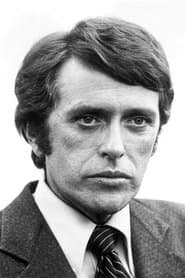
David Ackroyd carries the film with a performance that balances frustration, desperation, and quiet determination. He's not playing a cocky billionaire inventor or a wise-cracking superhero—he's playing a man who's been broken and is trying to rebuild himself, literally and figuratively. The supporting cast, particularly José Ferrer, adds weight to scenes that might otherwise feel thin. There's a real sense of stakes here, even when the dialogue creaks and the pacing flags (which it does, occasionally—this is television, after all).
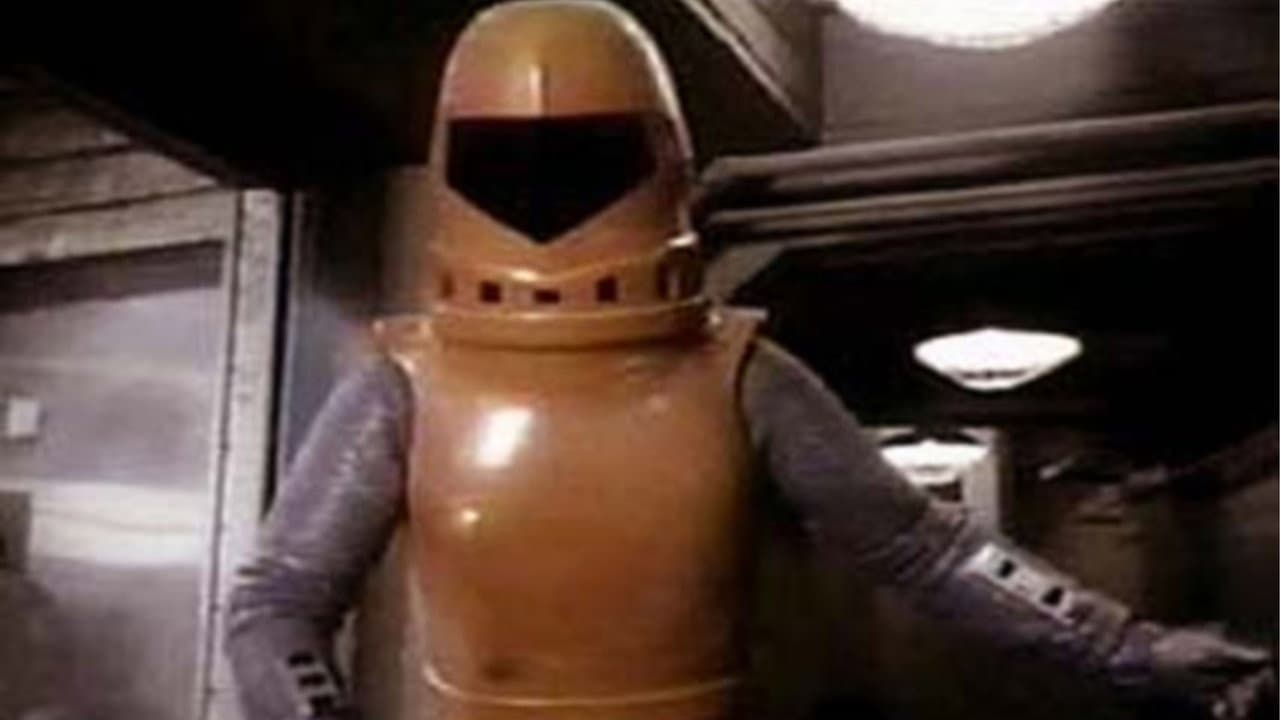
The action sequences, while modest by modern standards, have a tactile quality that comes from practical effects and real stunt work. When the exoskeleton moves, you're watching an actual suit move, not a computer-generated fantasy. That physicality gives the film a grounded feel that actually serves the story better than slick modern CGI might. I keep coming back to the fact that this movie was made for television in 1977 and still managed to feel like a legitimate action film. That's no small achievement.
Where to Stream Exo-Man Online
Exo-Man is currently available on major OTT services, and Movie OTT tracks exactly where you can watch it right now. Rather than hunting across multiple platforms, you can check the "Where to Watch" widget at the top of this page to see which streaming service has it available in your region. Availability shifts frequently—a title might move between services or rotate off entirely—so that widget stays updated in real time. If you're interested in 1970s sci-fi and television movies, Movie OTT's streaming aggregator makes it easy to find similar titles and see where they're currently streaming.
Frequently asked questions
Q: Who directed Exo-Man?
Exo-Man was directed by Richard Irving for Universal Television. Irving was an experienced television director who worked across multiple genres and formats during the golden age of TV movies in the 1970s.
Q: Is Exo-Man based on a true story?
No, Exo-Man is a fictional superhero story created by Martin Caidin and Henri Simoun. It's an original screenplay adaptation rather than based on existing source material, comic book, or real events.
Q: What is the runtime of Exo-Man?
Exo-Man runs 120 minutes, which is longer than many made-for-TV movies of the era and allows the story to develop the character's journey from paralysis through invention to crime-fighting.
Q: Who stars in Exo-Man?
The film stars David Ackroyd in the lead role, with Anne Schedeen, A Martinez, and José Ferrer in supporting roles. Ferrer brings significant theatrical pedigree to the ensemble cast.
Q: Why does Exo-Man have a low IMDb rating?
The film's 4.7/10 IMDb rating reflects how it plays to modern audiences viewing it on streaming—the practical effects and television pacing of the 1970s don't always translate well to contemporary viewers. Contemporary reception and modern reception are often quite different for TV movies of this vintage.
Final Thoughts on Exo-Man
Exo-Man isn't a perfect film, and it's not going to blow anyone away with technical wizardry or groundbreaking storytelling. But it's a sincere, earnest piece of 1970s science fiction that takes its premise seriously and tries to do something meaningful with it. The core idea—a paralyzed man reclaiming agency through technology and determination—remains compelling, even if the execution feels dated. If you're interested in the history of superhero television, disability representation in genre film, or just want to see what Universal Television was making in the mid-'70s, it's worth a look. Don't expect perfection. Expect something interesting.