









The story of Race Against Time
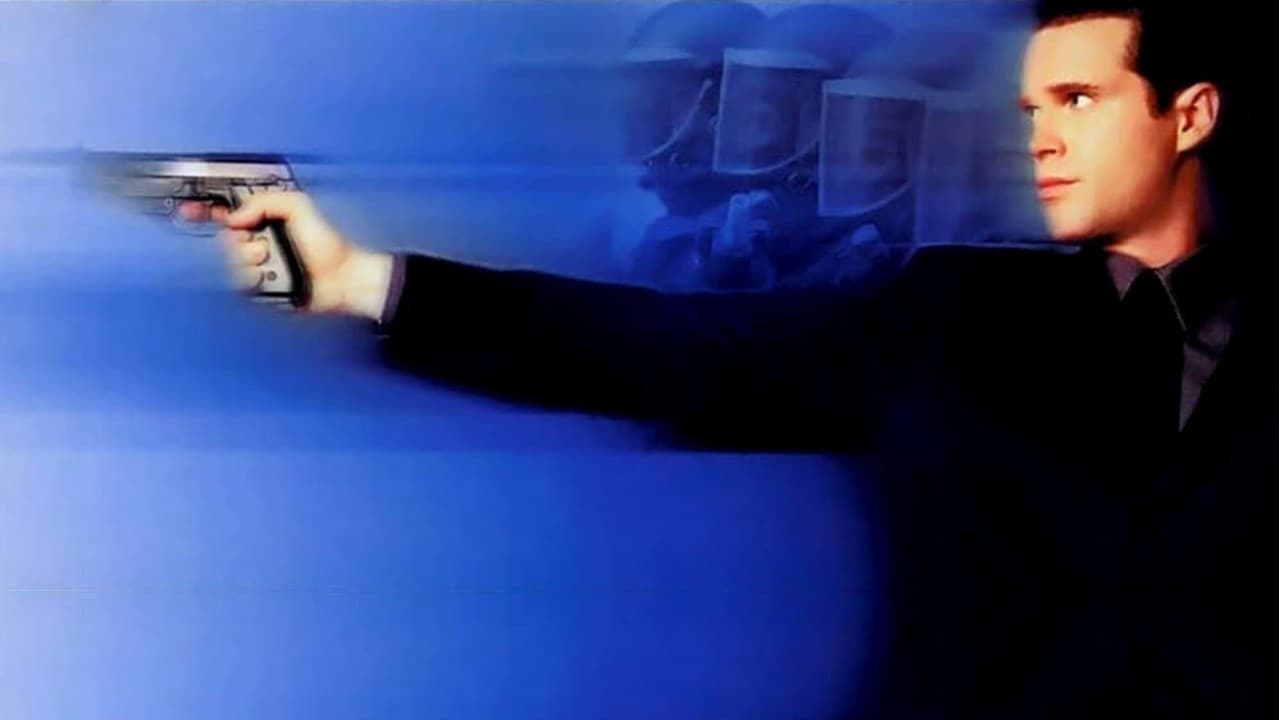
Race Against Time is a 2000 science fiction thriller that strips away the comfort of modern medicine to ask a genuinely unsettling question: what happens when healthcare becomes a transaction you literally can't afford? The film follows a man in an impossible situation—his son is dying, the hospital bills are mounting into territory that'll destroy his family financially, and he's running out of time. When he's presented with what seems like a solution—a chance to sell his body for organ transplants—he takes it. Sounds straightforward enough. But then he learns the doctors don't plan to wait years for his organs. They want them now. Immediately. That's when the film shifts from financial desperation into something far more primal: a man on the run, hunted not by criminals but by the very institution that's supposed to save lives.
Behind the making of Race Against Time
Produced by Turner Network Television in partnership with Rosemont Productions International and Motion International, Race Against Time arrived in 2000 as a made-for-TV movie—a format that was still producing serious, idea-driven work at the tail end of the millennium. The 86-minute runtime is lean and purposeful; there's no fat here, no subplot about a love interest or a rival detective. It's a chase film with a conscience, concerned less with action spectacle than with the moral architecture of its premise. The cast and crew brought a straightforward professionalism to the material. This wasn't prestige television in the HBO sense—those networks were still finding their footing—but it was the kind of earnest, working-class filmmaking that cable networks like TNT specialized in during that era. The IMDb rating of 5.2 out of 10 suggests the film found a mixed audience, neither a cult classic nor a forgotten relic, but something in between: a movie people remember for its concept more than its execution, which isn't necessarily a failing.
What makes Race Against Time stand out
Here's what's striking about this film: it takes a premise that could've been pure exploitation—desperate man, organ trafficking, medical corruption—and treats it with genuine gravity. The thing nobody mentions is that the best science fiction isn't about flying cars or laser guns. It's about systems, about the ways institutions can turn human desperation into profit. Race Against Time understands this. What works in the film is the central performance, which carries the weight of a man watching his moral compromises collapse in real time. He made a deal he thought he understood. He signed papers he thought were binding in a certain way. And then the rules changed—or maybe they never were what he thought they were. The film doesn't let the doctors off the hook, but it also doesn't make them cartoonish villains. They're operating within a system, following protocols, doing what the system incentivizes them to do. That ambiguity is harder to pull off than straightforward villainy, and when it lands, it lands with real weight. The pacing is relentless in the way TV movies can be—there's no time for reflection, just forward momentum, which mirrors the protagonist's own inability to stop and reconsider his choices.
Where to stream Race Against Time online
Race Against Time is available across major OTT services, and you can check the Where to Watch widget at the top of this page to see which platforms currently have it in your region. Streaming availability shifts constantly—what's on Netflix one month might move to Prime Video the next—so Movie OTT maintains up-to-date listings across the entire streaming ecosystem to save you the hunt. The good news is that a film like this, made for television originally, tends to have solid distribution across multiple platforms rather than being locked to a single service. That means you've got options, which is worth knowing if you're planning to watch it tonight rather than adding it to an endless list.
Frequently asked questions
Q: Who directed Race Against Time?
The film was directed by Philip Noyce, an Australian filmmaker known for his work in thriller and action genres. Noyce brought a steady hand to the material, keeping the pacing tight and the moral stakes clear throughout the 86-minute runtime.
Q: Is Race Against Time based on a true story?
While the film isn't adapted from a specific true story, it engages with very real anxieties about medical debt and organ trafficking that have factored into actual news cycles and policy debates. The premise is speculative, but the fears it taps into are grounded in reality.
Q: What's the runtime of Race Against Time?
The film runs 86 minutes, making it a tight, economical thriller that doesn't overstay its welcome. That lean structure works in its favor—there's no time for the tension to dissipate.
Q: Where can I watch Race Against Time?
Race Against Time is available on major OTT platforms. Use the Where to Watch widget at the top of this page to see current streaming availability in your region, since platforms rotate titles regularly.
Q: What genre is Race Against Time?
It's classified as a science fiction thriller with action elements. While it's set in a near-future world, the focus is less on technological spectacle and more on the human drama of desperation and moral compromise.
Final thoughts on Race Against Time
Race Against Time doesn't reinvent the thriller, and it won't blow your mind with technical wizardry or a twist ending that recontextualizes everything. What it does is take a premise about medical debt and organ trafficking seriously—treating it as the nightmare it would actually be rather than as a setup for action beats. It's a film that understands how systems can trap people, how desperation can cloud judgment, and how the hunt becomes the story. If you're looking for something that'll stick with you, something that asks uncomfortable questions about who gets to profit from human suffering, it's worth your time.