The story of Experiment Perilous
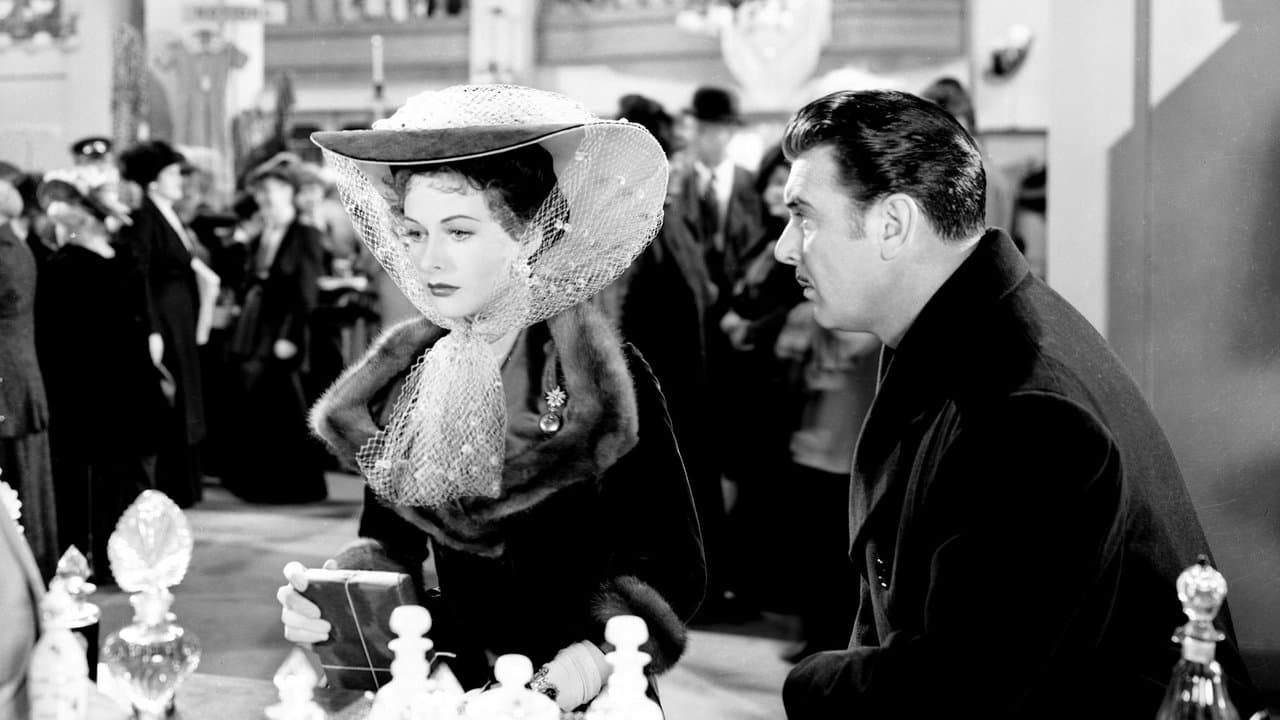
Experiment Perilous opens with a chance encounter that changes everything. Doctor Huntington Bailey meets a friendly older woman aboard a train bound for New York in 1903, and she mentions she's traveling to visit her brother Nick and his beautiful young wife Allida. It's a casual conversation—the kind you forget by the next station. Except Bailey doesn't forget. When he learns that his train companion has died under mysterious circumstances, he becomes obsessed with understanding what happened. Once in the city, he seeks out the couple, and what he discovers is far more unsettling than a simple tragedy: Nick's treatment of Allida is cold, controlling, and deeply strange. As Bailey grows closer to the truth, he realizes he's stumbled into something far darker than he imagined—a household where every glance carries menace and every word masks hidden intentions.
The film's central mystery isn't just a whodunit. It's a psychological puzzle wrapped in romantic tension, asking viewers to question their own judgment about who's truly dangerous and who's genuinely suffering. That ambiguity—the way the film keeps you guessing—is what gives it teeth even now.
Behind the making of Experiment Perilous
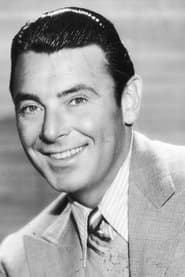
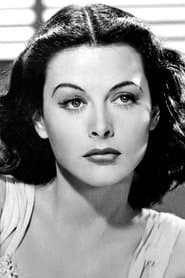
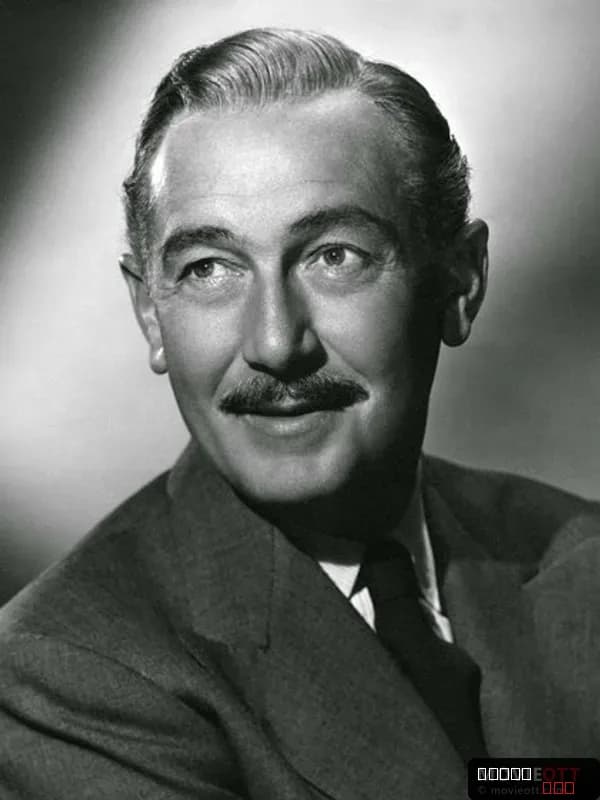
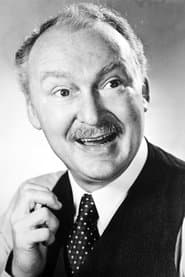
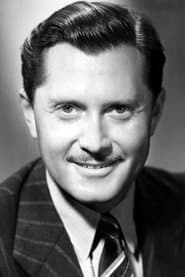
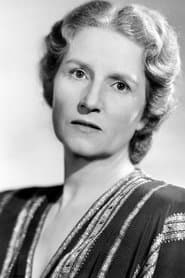
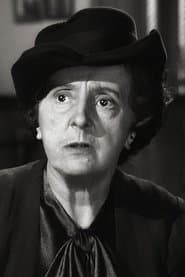
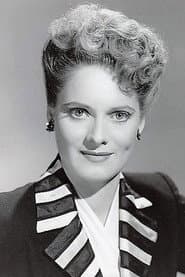
Experiment Perilous arrived in 1944 as an adaptation of Margaret Carpenter's 1943 novel, brought to the screen by director Jacques Tourneur, who'd already proven his mastery of mood and suspense in earlier genre work. Warren Duff handled the screenplay adaptation, translating Carpenter's psychological complexity into cinematic language. The film was produced by RKO Radio Pictures, one of Hollywood's major studios during the Golden Age, and it featured a strong ensemble cast headlined by Hedy Lamarr as Allida and George Brent as Dr. Bailey. Paul Lukas, Albert Dekker, and Carl Esmond rounded out the supporting roles, each bringing considerable gravitas to their parts.
The production design earned serious recognition: the film received Academy Award nominations for Best Art Direction–Interior Decoration in Black-and-White, with work credited to Albert S. D'Agostino, Jack Okey, Darrell Silvera, and Claude E. Carpenter. That nomination speaks to how carefully the filmmakers constructed the oppressive, elegant world of Nick's townhouse—every frame designed to feel both beautiful and suffocating. Roy Webb composed the score, while cinematographer Tony Gaudio captured the film in crisp black-and-white that emphasizes shadow and psychological depth. One interesting production detail: Lamarr's singing voice was dubbed by Paula Raymond, a common practice for leading actresses of the era. The film runs 91 minutes, a tight runtime that keeps the tension wound throughout without ever feeling bloated.
What makes Experiment Perilous stand out
What's striking about Experiment Perilous is how it refuses to offer easy answers. The film doesn't announce its themes in neon letters; instead, it lets the performances do the heavy lifting. Lamarr brings a fragile, haunted quality to Allida—you see the intelligence behind her eyes even as she's trapped in circumstances that seem designed to break her spirit. George Brent, as Bailey, captures the arrogance and vulnerability of a man who thinks his medical training gives him the right to solve everyone's problems. That tension between his desire to help and his inability to truly understand what's happening creates genuine dramatic friction.
Tourneur's direction keeps the camera moving with purpose, never letting scenes settle into comfortable territory. There's a scene early on where Bailey first visits the house, and the way the camera tracks through the rooms—following conversations, catching glances—establishes the claustrophobic atmosphere without a single word of exposition. The film trusts its audience to feel the wrongness in the air. It doesn't work perfectly (the IMDb rating of 5.77/10 suggests plenty of viewers find it dated or overwrought), but that's partly because the film's ambiguities were genuinely ahead of their time. Modern audiences trained on prestige television might find the pacing deliberate, even slow, yet that deliberation is exactly what builds the psychological dread. You're not supposed to have fun watching Experiment Perilous—you're supposed to feel trapped.
What I keep coming back to is how the film treats its female lead. Allida isn't a damsel waiting for rescue; she's a woman caught in a system where power, wealth, and social propriety all conspire against her. That's remarkably progressive for 1944, even if the film doesn't fully capitalize on the opportunity.
Where to stream Experiment Perilous online
Experiment Perilous is currently available on major OTT services—check the "Where to Watch" widget at the top of this page for the most current platform listings. Streaming availability changes regularly, so it's worth confirming where the film is available in your region before you settle in. Movie OTT tracks these changes across platforms, so if you're looking for a reliable source on where older films are currently streaming, that's the place to bookmark. The 91-minute runtime makes it easy to fit into an evening, and since it's a 1944 production, you'll want to watch on a platform that handles black-and-white cinematography well—the image quality varies significantly between services.
Frequently asked questions
Q: Who directed Experiment Perilous?
Jacques Tourneur directed the film. He was known for his work in suspense and noir, bringing that same atmospheric tension to this 1944 RKO production.
Q: Is Experiment Perilous based on a true story?
No. The film is adapted from Margaret Carpenter's 1943 novel of the same name, which is a work of fiction. The 1903 New York setting and characters are entirely fictional.
Q: What awards did Experiment Perilous win?
The film received Academy Award nominations for Best Art Direction–Interior Decoration in Black-and-White, though it didn't win. The nomination recognized the production design team's work in creating the film's oppressive, elegant visual world.
Q: Why was Hedy Lamarr's singing voice dubbed?
Her singing voice was dubbed by Paula Raymond. This was a standard practice in Hollywood during the 1940s when leading actresses weren't trained singers or when studios preferred a particular vocal quality.
Q: How long is Experiment Perilous?
The film runs 91 minutes, making it a lean, tightly paced thriller that doesn't overstay its welcome.
Final thoughts on Experiment Perilous
Experiment Perilous isn't a perfect film, and it's not for everyone. The pacing will feel slow to viewers raised on modern thriller conventions, and some plot elements haven't aged gracefully. But if you're drawn to psychological suspense, strong ensemble performances, and the particular visual language of 1940s Hollywood, it's absolutely worth your time. The film's central question—who's really in danger from whom?—still lands with force. That's the mark of something that works, even when it doesn't work perfectly.