The story of The Killers: Murder, mystery, and a fateful diner
Two professional killers walk into a small-town diner and announce their intention to kill a man called "the Swede." But here's the strange part — when they track him down, he doesn't run. He doesn't fight. He simply accepts his fate. This opening sets the tone for what becomes a puzzle box of betrayal and regret. An insurance investigator, suspicious that something doesn't add up, begins pulling the thread on the Swede's past. What emerges is a tangled story of a former boxer, a beautiful woman, a bank robbery, and the kind of doomed love that makes men do foolish things. The Killers isn't a straightforward crime thriller. It's an excavation — each revelation peeling back another layer of motive and consequence until you understand why a man would invite his own execution.
Behind the making of The Killers: How a Hemingway story became a noir landmark
The Killers arrived in 1946 as a bold adaptation of Ernest Hemingway's 1927 short story, though the filmmakers expanded far beyond the source material's scope. Director Robert Siodmak, a master of shadow and psychological tension, steered the project with a visual vocabulary that would define film noir for decades to come. The screenplay, credited to Anthony Veiller, benefited from uncredited rewrites by John Huston and Richard Brooks — two giants of American cinema — which gives you a sense of how seriously Universal International Pictures took this property.
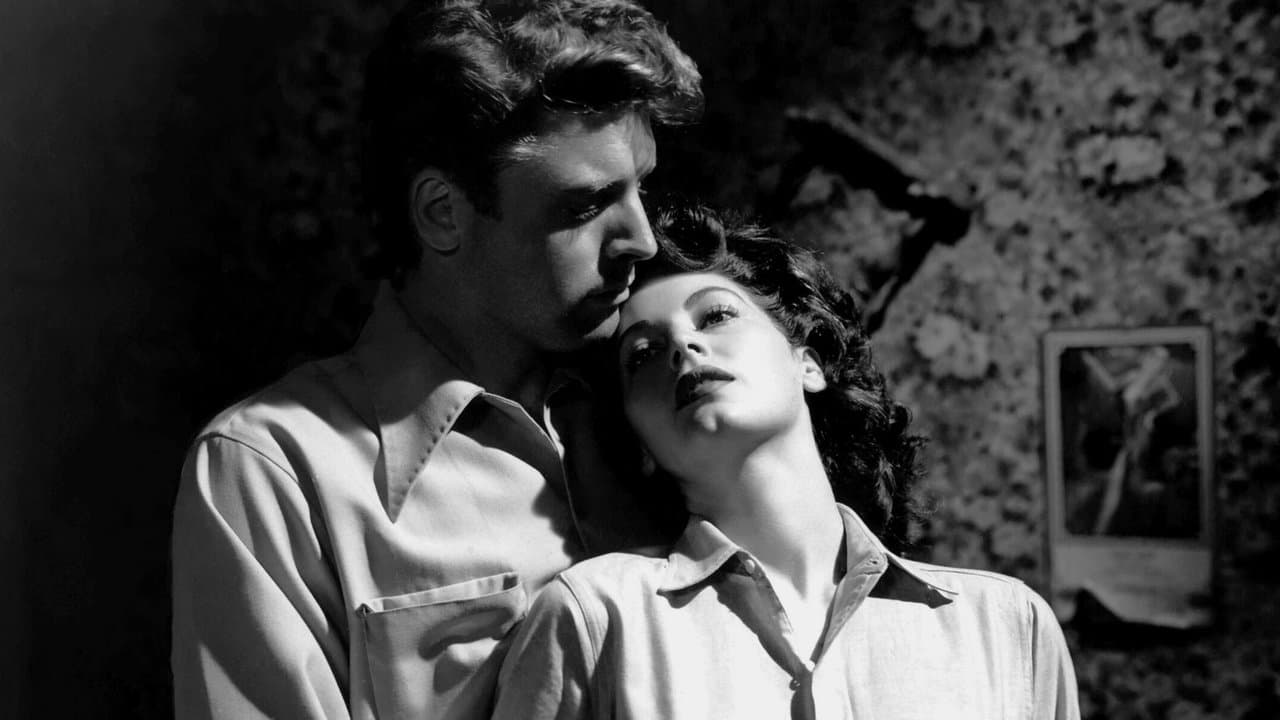
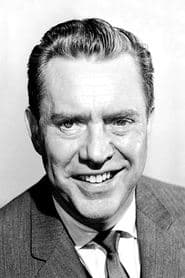
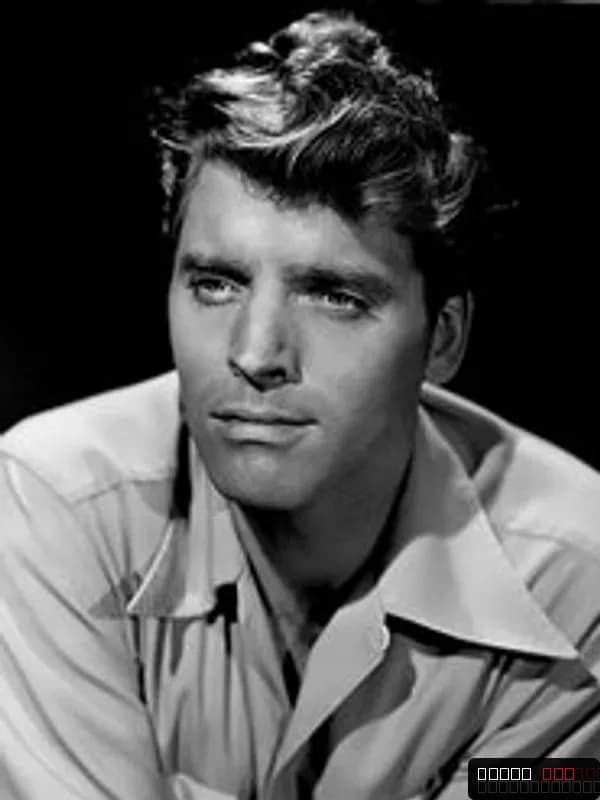
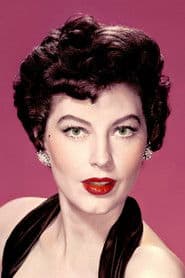
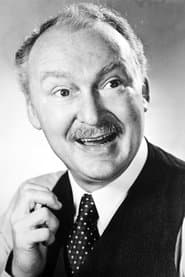
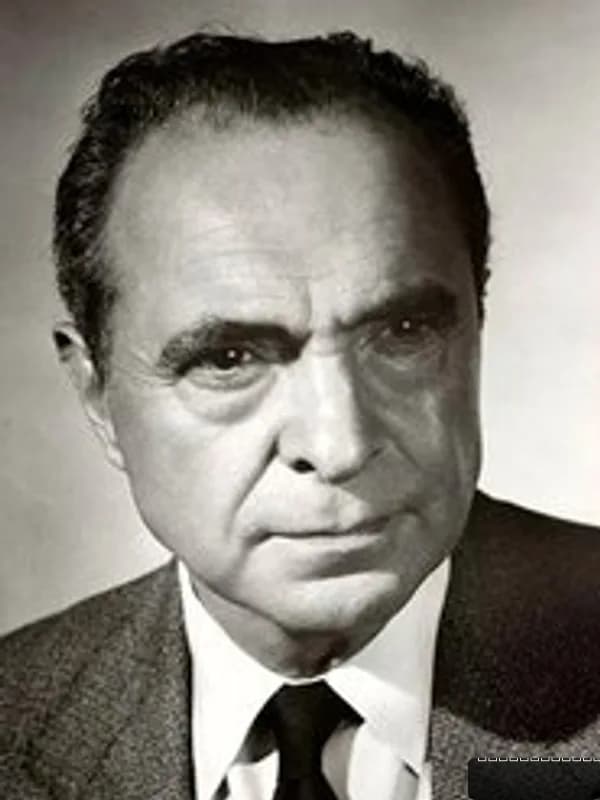
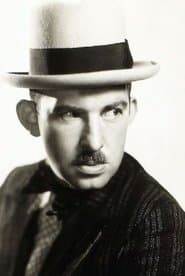
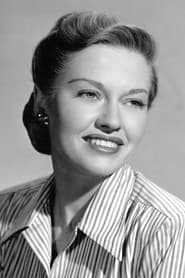
But the real headline was the casting. Burt Lancaster, a former circus acrobat with no prior film experience, landed the role of Pete "the Swede" Lund in his motion picture debut. It's a gutsy choice for a studio, and Lancaster repaid that faith with a performance that's both physically commanding and emotionally hollow — exactly what the character demands. Ava Gardner, already a rising star, brought smoldering intensity to the femme fatale role, while Edmond O'Brien's insurance detective grounds the narrative with a dogged, almost weary professionalism. The supporting cast — including Sam Levene — filled out a picture that felt lived-in and credible, not like a studio product.
The film earned solid box office returns and critical respect upon release, though it wouldn't become the canonical noir touchstone we now recognize until decades of retrospective appreciation. It carries a 7.4 rating on IMDb, a respectable score that reflects how well the craft has aged — the cinematography, the editing, the score, all of it still works.
What makes The Killers stand out: Atmosphere, structure, and the weight of inevitability
Robert Siodmak doesn't make you rush. That's the first thing you notice — and what's striking is how he uses time as a weapon. The non-linear storytelling (which was relatively daring in 1946) pulls you through a maze of flashbacks and revelations, but it never feels gimmicky. Instead, it mirrors the detective's own process: you're discovering clues alongside him, and each new scene recontextualizes what you thought you knew. That's the architecture of real mystery.
What I keep coming back to is the opening scene itself. The casual cruelty of it — two men announcing a murder in a diner, the owner tied up, the friend rushing to warn the Swede — it's all rendered without melodrama. No violins. No overwrought dialogue. Just competence and dread. The thing nobody mentions is how much restraint Siodmak shows. He could've made this lurid and sensational, but instead he lets the shadows do the talking. The cinematography by Elwood Bredell bathes every scene in pools of light and darkness that feel almost architectural — you can read the moral landscape in the way a face is lit or a room is composed.
Lancaster's performance works precisely because he doesn't overplay the tragedy. The Swede is a man who's made peace with his own destruction, and that acceptance — that passivity in the face of doom — is far more unsettling than any desperate struggle would be. Gardner, meanwhile, embodies the kind of woman who can ruin a man simply by existing. She's not a villain; she's a force of nature. And O'Brien's detective carries the weight of the film's emotional truth: he's investigating a dead man's life, trying to make sense of senselessness.
Where to stream The Killers online
The Killers is available on major OTT services, and you can check the Where to Watch widget at the top of this page to see which platforms currently carry it in your region. Streaming availability shifts regularly, so Movie OTT tracks these changes across all the major services to help you find exactly where it's playing right now. If you're a classic film enthusiast or a noir devotee, it's worth adding to your watchlist — this is the kind of film that rewards a dedicated viewing, ideally on a platform with solid picture quality so you can appreciate Bredell's cinematography in all its shadowy glory.
Frequently asked questions
Q: Is The Killers based on a true story?
No, it's based on Ernest Hemingway's 1927 short story of the same name, though the film expands considerably beyond the source material. Hemingway's original is a brief, stark tale; the filmmakers created an entirely new detective narrative and backstory around the core murder premise.
Q: Who directed The Killers?
Robert Siodmak directed the film. He was a master of film noir and German Expressionist visual style, and The Killers is one of his most accomplished works, demonstrating his mastery of atmosphere and non-linear storytelling.
Q: Was this Burt Lancaster's first film?
Yes, The Killers marked Lancaster's film debut. He'd previously worked in theater and as a circus performer, but this 1946 noir was his introduction to cinema — and what a debut it was, launching a legendary career.
Q: How long is The Killers?
The film runs 103 minutes, a length that allows Siodmak to build tension and explore the detective's investigation without feeling padded or rushed.
Q: What's the tagline for The Killers?
The official tagline is "She's a match for any mobster!" — a reference to Ava Gardner's character and her role in the unfolding drama.
Final thoughts on The Killers
The Killers endures because it understands something fundamental about noir: it's not really about crime or punishment. It's about the choices that precede crime, the desires that make us stupid, the way the past reaches forward and drags us under. Siodmak and his team made a film that looks and feels like 1946 but speaks to something timeless. If you haven't seen it, you're missing a masterclass in how to structure a mystery and how to use cinema — light, shadow, editing, performance — to tell a story that lingers long after the credits roll.