Inside the world of First They Killed My Father
"First They Killed My Father" plunges viewers into the terrifying reality of 1975 Cambodia, chronicling the harrowing journey of five-year-old Loung Ung. Based on Ung's critically acclaimed memoir, the film depicts the sudden and brutal rise of the Khmer Rouge regime, which swiftly dismantled Cambodian society and unleashed a campaign of mass murder and forced labor. Loung's relatively privileged life in Phnom Penh is shattered overnight as her family is forced to abandon their home and embark on a desperate quest for survival. The narrative intimately tracks her experiences as she witnesses her family's gradual disintegration, facing unimaginable hardships and the constant threat of death, encapsulating the profound historical trauma of the Cambodian genocide through a child's innocent yet increasingly hardened eyes. It’s a story of profound loss and an even more profound will to live.
Behind the making of First They Killed My Father
Directed by Angelina Jolie, "First They Killed My Father" was a passion project years in the making, reflecting Jolie's deep personal connection to Cambodia and her long-standing humanitarian work in the region. The film, released in 2017, was co-written by Jolie and Loung Ung herself, ensuring an authentic and respectful adaptation of Ung's biographical account. Produced by Bophana Production, a Cambodian film production company co-founded by filmmaker Rithy Panh, the movie was shot entirely in Cambodia, utilizing local cast and crew, and is predominantly in the Khmer language. This commitment to authenticity extends to its cast, which features numerous non-professional actors, lending an unvarnished realism to the performances. The film premiered at the Telluride Film Festival and later screened at the Toronto International Film Festival, garnering significant critical attention. Its powerful storytelling contributed to an IMDb rating of 7.375/10, reflecting its impact and the genuine emotion it evoked in audiences and critics alike. It's a film that doesn't just tell a story; it embodies a nation's painful history.
Why First They Killed My Father resonates with audiences
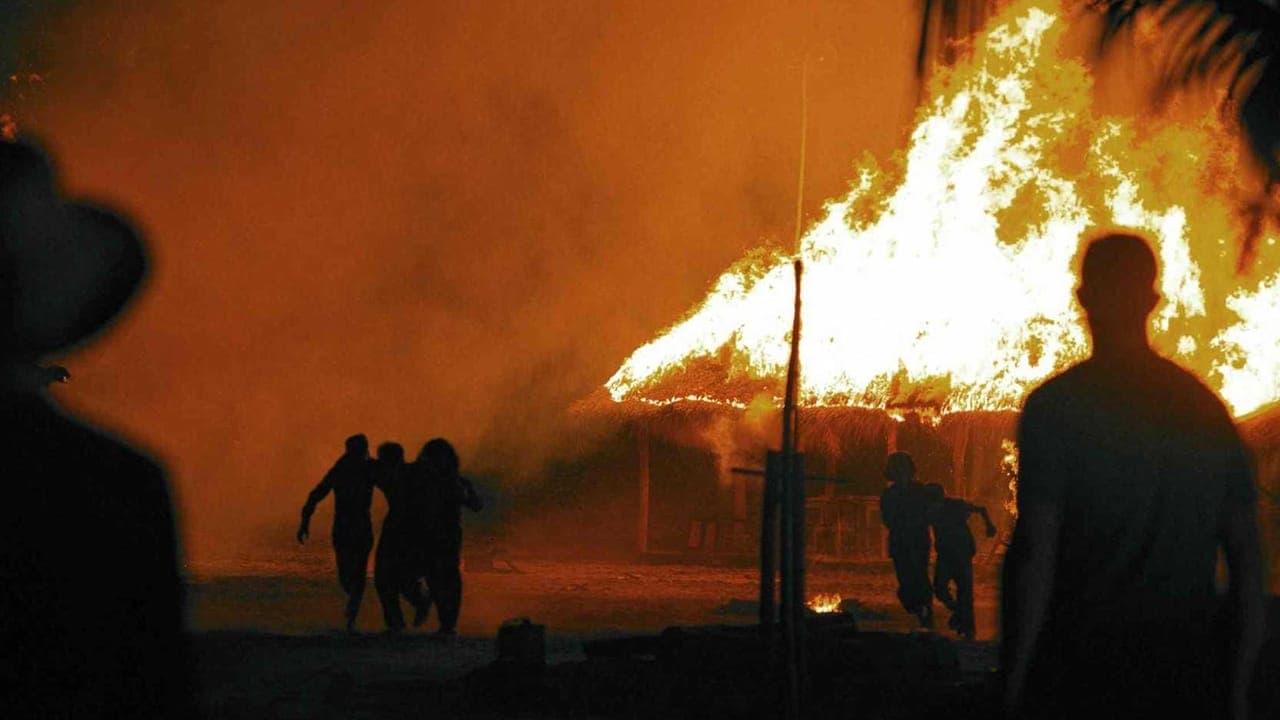
What makes "First They Killed My Father" stand out is its unwavering commitment to portraying the Cambodian genocide from a child's perspective. The film doesn't shy away from the brutal realities of the 1970s, including forced labor, the horrors of prison camps, and the systematic mass murder orchestrated by the Khmer Rouge. Yet, through Loung's eyes, the overwhelming scale of the tragedy becomes deeply personal, almost tactile. Director Angelina Jolie masterfully employs long takes and a subjective camera, often low to the ground, to immerse viewers in Loung's limited understanding and immense fear. The silence in many scenes is deafening, amplifying the terror and isolation. Honestly, it's a powerful choice. The performances, particularly from Sareum Srey Moch as young Loung, are incredibly raw and believable, conveying a spectrum of emotions from childhood innocence to the steely resolve born of trauma. The scene where Loung, barely old enough to understand, is forced to dig for roots in the fields, her small hands raw and weary, truly sticks with you. Film critic Sarah Jenkins, writing for The Daily Screen, called it "a vital, unflinching account that demands to be seen and remembered." The film serves as a crucial historical document, bringing to light a period of history that many outside of Southeast Asia might not fully grasp, while also celebrating the resilience of the human spirit. It's a biographical journey into the heart of darkness, but one illuminated by a flicker of hope.
How to watch First They Killed My Father online
For those looking to experience the powerful historical drama of "First They Killed My Father," you're in luck. The film is currently available on major OTT services, making it accessible to a wide audience across various streaming platforms. Movie OTT helps you find exactly where to stream this important film. You can check the "Where to Watch" widget at the top of this page for the most up-to-date information on its availability, including rental and purchase options. Our comprehensive listings on Movie OTT ensure you won't miss out on this critically acclaimed war drama, which sheds vital light on a dark chapter of history. Finding a specific film can be a hassle, but we're here to make it simple.
Frequently asked questions
Q: Is First They Killed My Father based on a true story?
Yes, "First They Killed My Father" is based on the true-life memoir of Loung Ung, who co-wrote the screenplay with director Angelina Jolie. It recounts her harrowing childhood experiences during the Cambodian genocide in the 1970s.
Q: Who directed the film First They Killed My Father?
The film "First They Killed My Father" was directed by renowned actress and filmmaker Angelina Jolie. This project was particularly personal for Jolie, given her long-standing involvement in humanitarian efforts in Cambodia.
Q: What is the runtime of First They Killed My Father?
The runtime for "First They Killed My Father" is 136 minutes. It's a substantial viewing experience that allows the narrative to unfold with the necessary depth and emotional weight.
Q: What themes does First They Killed My Father explore?
The film delves into profound themes such as the horrors of genocide, the resilience of the human spirit, the impact of war on children, and the importance of memory and history. It's a stark portrayal of survival amidst mass murder and forced labor.
Final thoughts on First They Killed My Father
"First They Killed My Father" is more than just a movie; it's a vital historical testimony, an urgent reminder of the atrocities of the Cambodian genocide, and a testament to one child's incredible resilience. It’s a challenging watch, certainly, given its subject matter of war, mass murder, and the forced labor of children. But it's also an undeniably important one, offering a unique, intimate perspective on a period of history that shaped an entire nation. Anyone interested in powerful biographical dramas, world history, or stories of extraordinary human endurance should make time for this film. It will stay with you long after the credits roll.