The story of The Killing Fields
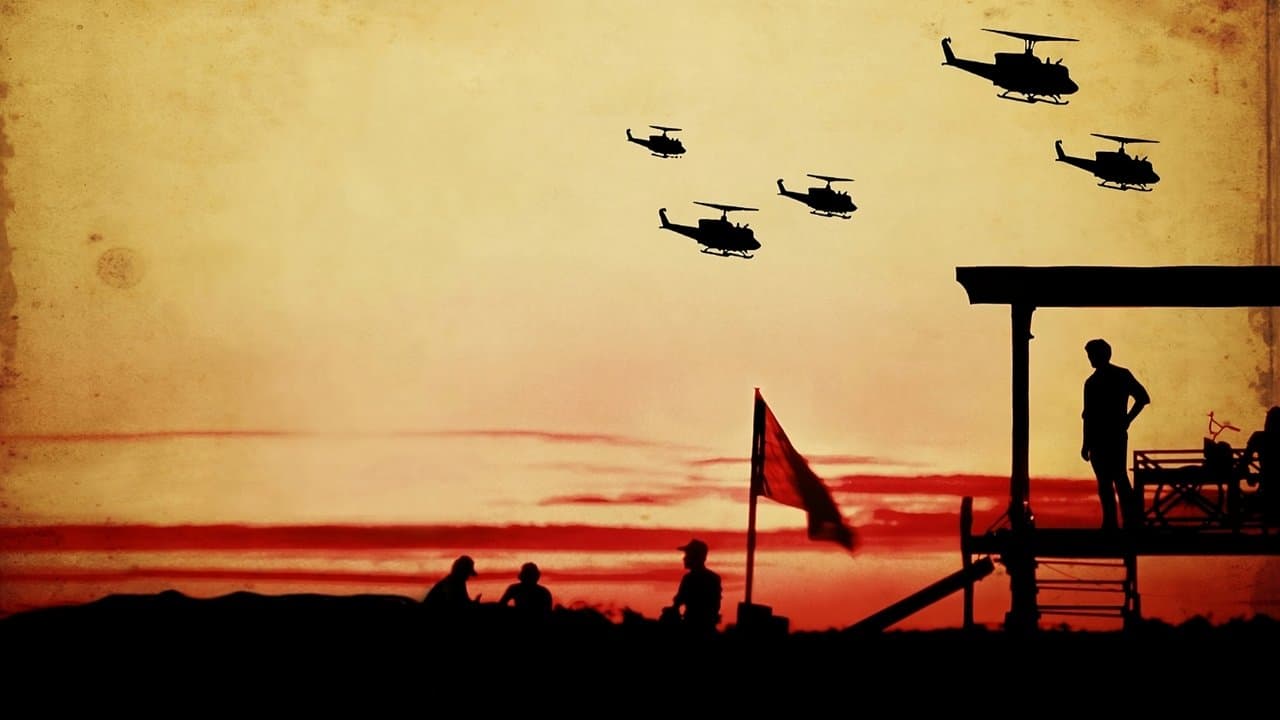
The Killing Fields tells the story of what happens when ambition, duty, and circumstance collide in the worst possible place at the worst possible time. It's 1975 in Cambodia, and the country is tearing itself apart. New York Times reporter Sydney Schanberg is there to document it all, working alongside Dith Pran, a local journalist and interpreter who knows the terrain—both geographical and political—far better than any American correspondent ever could. There's also Al Rockoff, a photojournalist trying to capture the horror through his lens. As the U.S. military withdraws and the Khmer Rouge closes in on Phnom Penh, Schanberg arranges for Pran's family to escape. But Pran himself stays behind. He tells Schanberg he needs to continue reporting. It's a decision that will haunt them both for the next three and a half years, as Pran disappears into a nightmare that few survive.
Behind the making of The Killing Fields
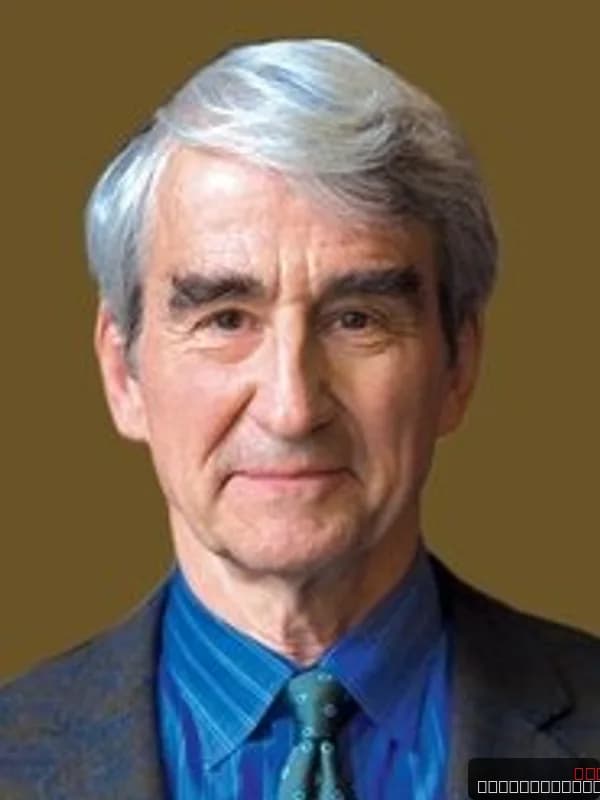
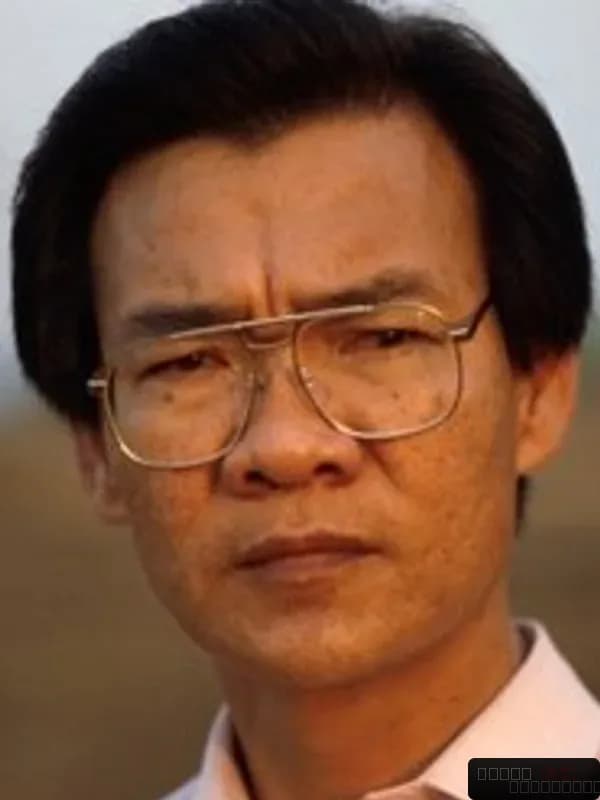
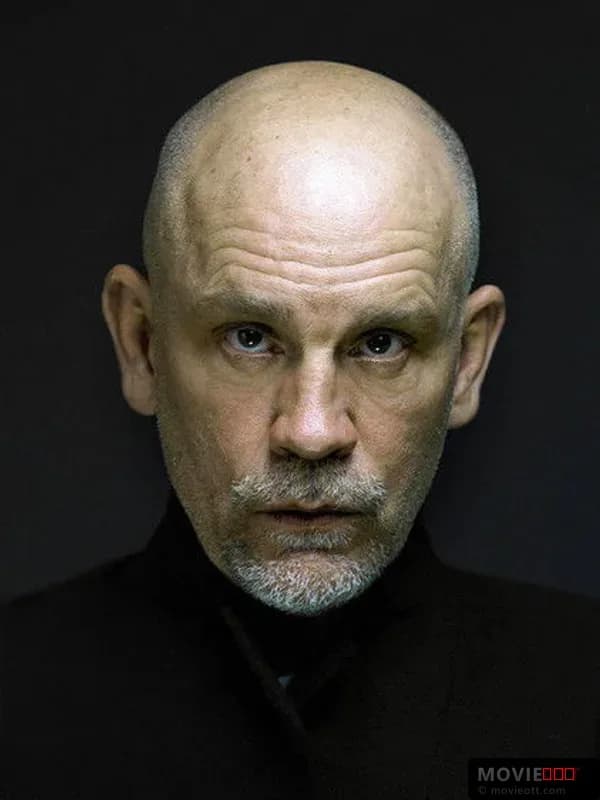
Director Roland Joffé and producer David Puttnam brought this story to the screen through Goldcrest Films, a British production company that was taking major risks on ambitious international dramas throughout the 1980s. The screenplay came from Bruce Robinson, who adapted it from the real-life accounts of these two journalists. What's remarkable is that Haing S. Ngor, who plays Pran, wasn't a professional actor—he was a Cambodian doctor who'd actually lived through the genocide himself. That authenticity, that lived experience, shows in every frame. Sam Waterston, already known for his work in television and film, anchors the American side of the story with a performance that captures both journalistic zeal and growing moral torment. John Malkovich rounds out the trio as Rockoff, bringing a different kind of urgency to the role.
The film's score by Mike Oldfield, orchestrated by David Bedford, won a BAFTA Award and became one of the most haunting soundtracks of the decade. The cinematography captures both the chaos of war and the quiet moments of human connection—no small feat when you're trying to honor real suffering. The production design and costumes, overseen by Judy Moorcroft, ground the film in 1975 Cambodia with meticulous detail. When the film was released in 1984, it earned widespread critical acclaim and multiple Oscar nominations, including Best Picture, Best Director, Best Cinematography, and Best Supporting Actor for Ngor. It won Best Cinematography and Best Film Editing at the Academy Awards, cementing its place in cinema history.
What makes The Killing Fields stand out as cinema
There's something about the way this film refuses to sentimentalize its subject matter that makes it linger. You can find plenty of war movies that exploit suffering for dramatic effect—that's not what's happening here. The Killing Fields is interested in the relationship between these two men, in the guilt that Schanberg carries, in the impossible choice Pran makes and the price he pays for it. What's striking is how the film splits itself almost in half: the first portion follows the journalists as they document the war's escalation, and then it shifts focus almost entirely to Pran's experience inside the Khmer Rouge's grip. That structural choice is bold. It means the audience experiences Pran's isolation the way he does—without outside perspective, without the comfort of knowing what's happening in the wider world.
Haing S. Ngor's performance is devastating precisely because he doesn't oversell it. He doesn't play a hero. He plays a man trying to survive, trying to stay invisible, trying to hold onto some core of himself in circumstances designed to strip away everything that makes you human. Waterston, meanwhile, captures something equally difficult: the slow-burning realization that his decision to leave Pran behind might have been the wrong one, and that no amount of reporting will undo it. The film doesn't give you easy catharsis. It gives you complexity, moral weight, and the kind of ending that stays with you long after the credits roll.
How to stream The Killing Fields online
The Killing Fields is available on major OTT services, and you can check the Where to Watch widget at the top of this page to see which platforms currently carry it in your region. Streaming availability shifts seasonally, so Movie OTT tracks where this film lives across Netflix, Prime Video, and other major platforms, making it easy to find the right service without hunting through menus. The film's 142-minute runtime means you'll want to carve out dedicated viewing time—this isn't something to half-watch while scrolling your phone. It demands your full attention, and it rewards it.
Frequently asked questions
Q: Is The Killing Fields based on a true story?
Yes. The film is based on the real experiences of New York Times journalist Sydney Schanberg and his Cambodian interpreter Dith Pran during the Khmer Rouge regime's rise to power in 1975. Both men survived, and their story was documented in Schanberg's Pulitzer Prize-winning reporting.
Q: Who directed The Killing Fields?
Roland Joffé directed the film, with producer David Puttnam shepherding the project through Goldcrest Films. It was Joffé's feature directorial debut, and it remains one of his most acclaimed works.
Q: Did The Killing Fields win any major awards?
Yes. The film won two Academy Awards—Best Cinematography and Best Film Editing—and received seven Oscar nominations total, including Best Picture and Best Director. It also won multiple BAFTA Awards and was widely praised by critics.
Q: What's the runtime, and is this a heavy watch?
The Killing Fields runs 142 minutes. It's absolutely a heavy watch—it's a film about genocide, survival, and the human cost of war. But it's also one of the most important films ever made about these subjects, and that weight is earned, not exploited.
Q: Who plays the lead roles?
Sam Waterston plays American journalist Sydney Schanberg, Haing S. Ngor plays Cambodian interpreter Dith Pran, and John Malkovich plays American photojournalist Al Rockoff. Ngor's performance is particularly remarkable given that he was not a professional actor and had lived through the actual genocide.
Final thoughts on The Killing Fields
There's a reason The Killing Fields hasn't faded from the cultural conversation nearly four decades after its release. It's a film that respects its audience's intelligence and emotional capacity. It doesn't look away from atrocity, but it also doesn't wallow in it—instead, it keeps its focus on the human relationships at stake, on the bond between Schanberg and Pran, and on what we owe to those we leave behind. If you haven't seen it, it's worth seeking out. If you have, it's worth revisiting. This is essential cinema.