


The Story of The Glass Menagerie: Family Trapped by Illusion
The Glass Menagerie isn't a cheerful watch, but it's a necessary one. The 1973 television film adaptation of Tennessee Williams' 1944 play follows a Southern family living in a cramped St. Louis apartment, where the mother—Amanda Wingfield—clings to memories of her youth and refuses to accept her present circumstances. Her son Tom works at a warehouse, trapped between his mother's endless demands and his own creative ambitions. Her daughter Laura, physically disabled and painfully shy, retreats into a collection of glass figurines. What unfolds across 100 minutes is less a plot and more a slow-motion collision of incompatible dreams, where nobody gets what they want and everyone blames everyone else. The story doesn't explode into melodrama; instead, it suffocates quietly, the way a family does when nobody knows how to leave.
Behind the Making of The Glass Menagerie: Katharine Hepburn and Anthony Harvey's Vision
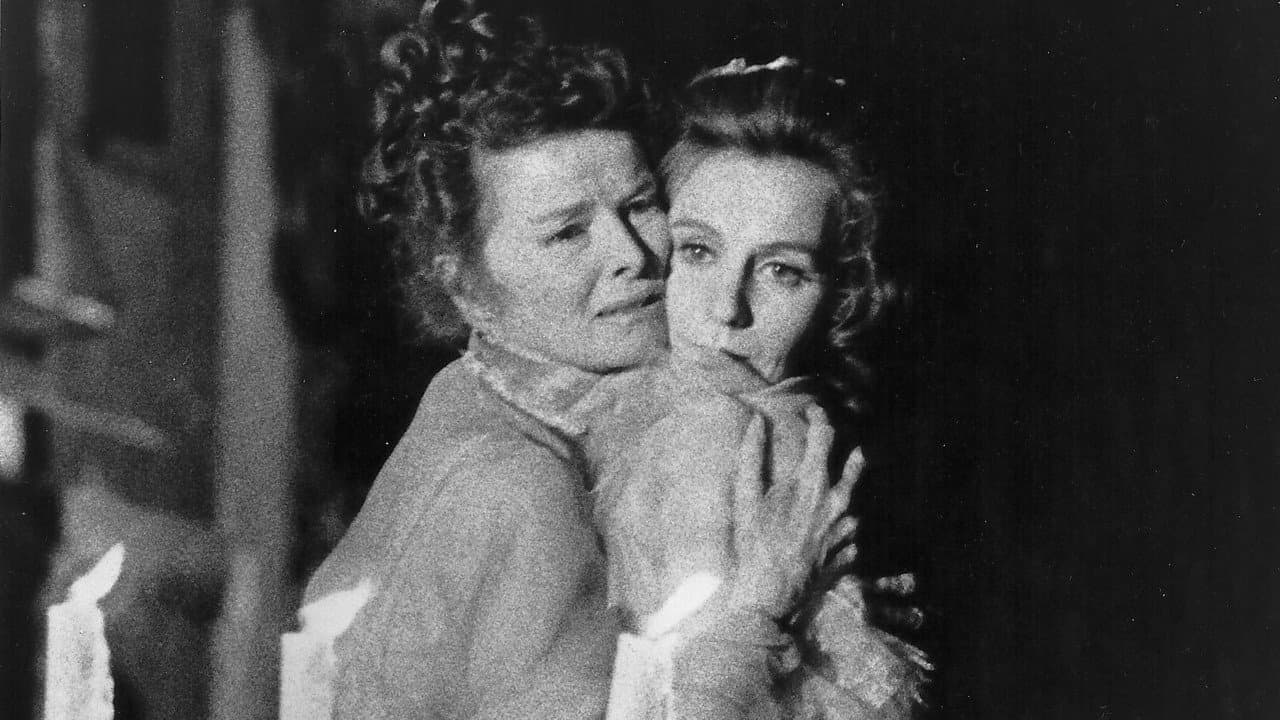
This version marked the third screen adaptation of Williams' play—a testament to the material's enduring power. Director Anthony Harvey helmed the production, which aired on ABC as part of the network's ABC Theater series, bringing prestige television to prime time when that phrase still meant something specific. The cast is formidable: Katharine Hepburn, one of cinema's most commanding presences, plays Amanda with a mix of charm and cruelty that only an actress of her stature could pull off. Sam Waterston embodies Tom's quiet desperation, while Joanna Miles and Michael Moriarty round out the family unit. Hepburn was already in her sixties when this aired, yet her performance carries the weight of someone who understands how mothers weaponize their own disappointments against their children. The production came from Talent Associates and Norton Simon Inc., with the Broadway Theatre Archive involved—a fitting pedigree for a work so rooted in theatrical tradition. What's striking is how the TV format, rather than diminishing the play, actually intensifies its claustrophobia; the small screen becomes a pressure cooker.
Why The Glass Menagerie Still Cuts Deep: The Performances That Matter
Hepburn's Amanda is the film's engine. She isn't a villain—that's what makes her so devastating. She's a woman who genuinely believes she's helping, that her relentless pushing, her stories about "seventeen gentleman callers," her refusal to acknowledge her daughter's disability as permanent—that all of this comes from love. And maybe it does. But love, as the film understands it, can be as suffocating as hatred. What makes this adaptation work, across its 100-minute runtime, is that nobody in the apartment is entirely wrong or entirely right. Tom's desire to escape isn't selfish; it's survival. Amanda's investment in Laura's future isn't purely narcissistic; it's terror masquerading as ambition. The film doesn't offer easy answers, which is exactly why it matters—and honestly, why many viewers find it uncomfortable to sit with. The IMDb rating of 7.7 reflects this: it's not a crowd-pleaser, but it's a film people respect, the kind that sticks with you days later when you realize you've been thinking about a scene you watched weeks ago. Waterston's quiet performance as Tom, the narrator trapped between his family and his own hunger for experience, is the emotional anchor that keeps the whole thing from collapsing into pure melodrama.
Where to Stream The Glass Menagerie Online
The Glass Menagerie is available on major OTT services—check the "Where to Watch" widget at the top of this page for current availability in your region. Streaming rights shift regularly, so if you're planning to watch this weekend, it's worth verifying which platform has it right now. Movie OTT tracks these changes across all the major services, so you don't have to hunt through five different apps trying to remember where you saw something last month. Since this is a 1973 television film rather than a theatrical release, it tends to appear on classic drama collections and premium cable services that specialize in older prestige content. If you've got a subscription to the usual suspects—the major streaming platforms—there's a solid chance it's already in your library.
Frequently Asked Questions
Q: Is The Glass Menagerie based on a true story?
No, but it's based on Tennessee Williams' own life. The 1944 play drew heavily from Williams' experiences with his own mother and sister, though he transformed the autobiographical material into something more universal. The characters are fictional, but the emotional truths are drawn from real family pain.
Q: Who directed the 1973 version of The Glass Menagerie?
Anthony Harvey directed this adaptation, which aired on ABC as part of their ABC Theater series. Harvey was known for his work on prestigious television and theatrical productions, bringing a cinematic sensibility to what was originally a stage play.
Q: How long is The Glass Menagerie?
The film runs 100 minutes, which is a surprisingly tight runtime for a play adaptation. It doesn't feel rushed—the pacing actually works in its favor, building tension without ever becoming frantic.
Q: Why is it called The Glass Menagerie?
Laura's collection of glass figurines is central to the play's symbolism. The delicate, fragile animals represent Laura herself—beautiful but breakable, carefully arranged but ultimately trapped. The title suggests something precious yet imprisoned.
Q: What's the IMDb rating for The Glass Menagerie?
The film holds a 7.7/10 rating on IMDb, reflecting its status as a well-regarded but challenging drama that doesn't appeal to everyone. It's the kind of film that earns respect rather than universal affection.
Final Thoughts on The Glass Menagerie: Who Should Watch
The Glass Menagerie isn't for everyone—and that's not a weakness. If you're drawn to character studies that don't flinch from family dysfunction, if you appreciate Katharine Hepburn's fierce intelligence, or if you want to understand why Tennessee Williams matters to American theater and film, this 1973 adaptation deserves your time. It's a film about people who can't escape themselves, which is perhaps why it endures. Nobody leaves the apartment better than they entered it. Nobody gets the life they wanted. But somehow, in that failure, there's something achingly human. Stream it when you're ready for something that won't let you off easy.