





The Story of Eagle's Wing: Beyond the Frontier Legend
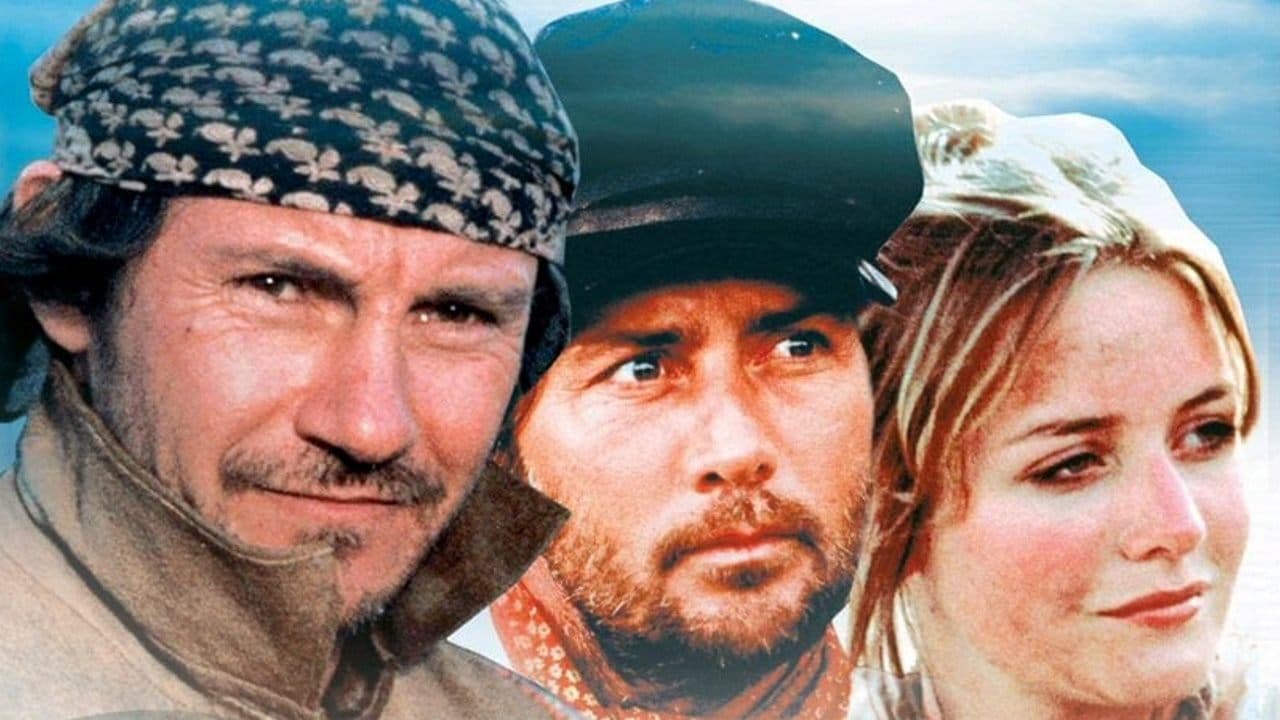
Eagle's Wing arrives with a mission statement baked right into its tagline: "The west, the way it really was... before the myths were born." The film follows two men locked in pursuit of the same prize—a magnificent stallion named Eagle's Wing, wild and untamed across the Mexican frontier. One is an aging Native American, weathered by years of survival. The other is a ne'er-do-well trapper, the kind of character the West has always made room for: opportunistic, rootless, driven by greed more than honor. What unfolds is less a traditional good-versus-evil showdown and more a collision of desperation, with stagecoach wreckage, garrisoned Mexican soldiers, and the unforgiving landscape itself becoming obstacles neither man can fully control. This isn't a film interested in heroics. It's interested in what happens when two broken people want the same thing, and the world doesn't care which one deserves it.
Behind the Making of Eagle's Wing: British Cinema Meets the Western
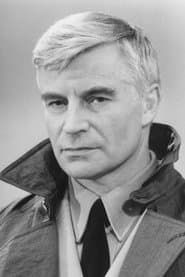
Eagle's Wing was directed by Anthony Harvey, a filmmaker who'd cut his teeth on prestige dramas—he'd just come off editing Dr. Zhivago and would go on to direct The Lion in Winter. That pedigree matters. Harvey brought a literary sensibility to what could've been a standard exploitation Western, hiring screenwriter John Briley (who'd later win an Oscar for Cry Freedom) to adapt Michael Syson's original story. The production was a British affair, mounted by The Rank Organisation and Peter Shaw Productions, which meant the film had access to solid funding and craftsmanship—though perhaps not the star power that would've guaranteed a theatrical run in America. The cast, though, was genuinely compelling: Martin Sheen, already known for Apocalypse Now's troubled intensity, carried the trapper role with a kind of weariness that suggested he'd lived that life. Sam Waterston brought quiet dignity to the Native American lead, and Harvey Keitel's presence added another layer of moral ambiguity to the mix. The film won the British Society of Cinematographers Best Cinematography Award for 1979, recognition that speaks to its visual ambition—shot in what looks like Mexico but framed with the kind of compositional care you'd expect from a European art film, not a Western.
What Makes Eagle's Wing Stand Out: Craft Over Convention
What's striking about Eagle's Wing is how it refuses easy answers. Most Westerns of that era—even the revisionist ones—still clung to some notion of moral clarity: one guy's the hero, one guy's the villain, and the landscape itself becomes a character that teaches lessons. Here, the landscape just is. It's indifferent. The stallion itself becomes almost abstract—less a prize and more a mirror each man projects his own hunger onto. The performances anchor the film in something real and unglamorous. Sheen doesn't play a charming rogue; he plays a man whose charm has worn thin, whose desperation shows. Waterston doesn't play a noble savage; he plays someone who's survived by understanding the world's cruelty better than anyone. There's a scene where the two men encounter the aftermath of a stagecoach massacre—bodies, wreckage, senseless violence—and neither of them blinks. That's the film's thesis right there. When Movie OTT tracks Westerns across streaming platforms, you'll find plenty of films that celebrate frontier mythology. This one interrogates it. The cinematography, which earned that 1979 award, uses the Mexican landscape not as a backdrop for heroism but as a space where human ambition looks small and foolish. Long shots of riders crossing plains, dust devils that go nowhere, light that's both beautiful and harsh—it's all in service of a film that wants you to feel the weight of chasing something that might not be worth having.
Where to Stream Eagle's Wing Online
Eagle's Wing is currently available on major OTT services, and checking the Where to Watch widget at the top of this page will show you exactly which platforms are carrying it in your region right now. Streaming availability shifts constantly, so if you're planning to revisit this 1979 gem or discover it for the first time, that widget is your fastest route to an answer. What's worth noting is that this film—made over 40 years ago, never a mainstream blockbuster, sometimes dismissed as a footnote in cinema history—has found its way onto modern streaming catalogs, which suggests there's still an audience for Westerns that ask hard questions. Movie OTT's streaming aggregator makes it easy to compare where titles land across different services, which is especially useful for older films like this one that might pop up on unexpected platforms.
Frequently asked questions
Q: Who directed Eagle's Wing?
Anthony Harvey directed the film. Harvey was known for his work on prestige dramas like Dr. Zhivago and The Lion in Winter, bringing that same literary sensibility to this Western. His direction earned the film recognition, particularly for its cinematography, which won the British Society of Cinematographers Best Cinematography Award in 1979.
Q: What's the runtime of Eagle's Wing?
The film runs 111 minutes. That's long enough to let the story breathe and the landscape sink into your bones, but not so long that it overstays its welcome.
Q: Is Eagle's Wing based on a true story?
No, it's an original story by Michael Syson, adapted for the screen by John Briley. While it's set in a historical period (antebellum Mexico), the plot and characters are fictional creations.
Q: Who stars in Eagle's Wing?
The film stars Martin Sheen as the trapper, Sam Waterston as the aging Native American, and Harvey Keitel in a supporting role. All three actors bring weight and complexity to their characters.
Q: What's the IMDb rating for Eagle's Wing?
The film holds a 5.3/10 rating on IMDb, which reflects a mixed critical and audience response. That score doesn't capture what's genuinely interesting about the film—sometimes the most challenging Westerns don't score highest.
Final Thoughts on Eagle's Wing
Eagle's Wing isn't a film for everyone. It's skeptical, slow-burn, and deeply uninterested in making anyone feel good about the mythology of the frontier. But if you're tired of Westerns that celebrate the men who conquered the land, or if you want to see what happens when a British art-film sensibility collides with American genre convention, this one's worth your time. It's a film that trusts its audience to sit with ambiguity. Hard to say if that's what held it back at the box office in 1979, but it's exactly what makes it worth watching now.