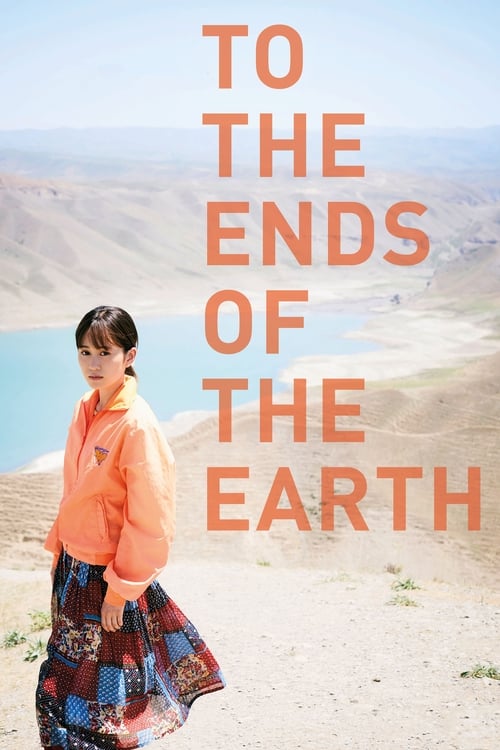
What Fourteen is About
Fourteen tracks a group of adolescents in contemporary Japan as they grapple with isolation, disconnection, and the weight of growing up in a society that doesn't quite have room for them. The film isn't interested in easy answers or redemptive arcs — it's a portrait of teenagers who feel fundamentally out of step with the world around them. Director Hiromasa Hirosue presents their struggles without sentimentality, letting awkward silences and small moments of cruelty speak louder than any voiceover could. What emerges is something closer to documentary realism than conventional narrative drama, a film that trusts viewers to sit with discomfort and recognize themselves — or someone they know — in these characters' quiet desperation.
Behind the Making of Fourteen
Hiromasa Hirosue's 2007 film emerged from Japan's independent cinema scene, a period when filmmakers were increasingly turning away from mainstream formulas to explore the psychological terrain of youth. The cast — including Akie Namiki, Shota Sometani, Yurika Oneyama, Shige Kasai, Sachi Natsuo, and Nao Tsubaki — consists largely of young performers working in television and smaller productions, which gives the film an authenticity that more established names might have undercut. Hirosue himself appears in the cast, blurring the line between director and actor in a way that feels deliberate, almost like a provocation. The film's modest scale — both in budget and ambition — allowed for the kind of patient, observational filmmaking that bigger productions rarely permit. While Fourteen didn't achieve mainstream box-office success, it found recognition within festival circuits and among critics attuned to Japanese independent cinema, earning recognition for its uncompromising approach to the coming-of-age narrative.
Why Fourteen Stands Apart from Conventional Coming-of-Age Cinema
What's striking about Fourteen is how it refuses the comfort of narrative closure. Most coming-of-age films offer some form of growth, some moment where the protagonist learns something vital and moves forward. This film doesn't work that way. Instead, Hirosue observes his characters with the detachment of an anthropologist, showing how they hurt each other, how they withdraw, how they perform versions of themselves that don't quite fit. The performances are deliberately unpolished — you won't find the kind of movie-star charisma that makes audiences lean in; instead, there's awkwardness, mumbling, the genuine discomfort of people who don't know how to exist in the world. Shota Sometani, in particular, carries a kind of wounded vulnerability that feels less like acting and more like exposure. What's not often said about Fourteen is that it's also funny — not in a way that lets you off the hook, but in the way real life is funny when you're watching someone fail to navigate a social interaction. The film doesn't judge these kids; it simply shows them, which somehow feels more devastating than any moral framework could be.
Where to Stream Fourteen Online
Fourteen is currently available on Prime Video, making it accessible to subscribers looking for challenging, unconventional drama. If you're browsing for something off the beaten path, you can check Movie OTT for current streaming availability across platforms — the site aggregates where titles are living at any given moment, which is helpful since streaming rights shift. Prime Video's catalog includes a surprising depth of international indie cinema, and Fourteen fits perfectly into that corner of the service where people discover films they wouldn't have found otherwise. The film's modest runtime and contemplative pacing make it ideal for streaming, though it rewards the kind of focused attention that's becoming rarer in the age of background viewing.
Frequently asked questions
Q: Who directed Fourteen?
Hiromasa Hirosue directed and starred in the 2007 film, bringing an insider's perspective to the story of alienated youth in Japan. His dual role as director and actor creates an interesting tension throughout the narrative.
Q: Where can I watch Fourteen?
Fourteen is available to stream on Prime Video. You can also check Movie OTT's Where to Watch widget at the top of this page to confirm current availability in your region.
Q: What year was Fourteen released?
The film premiered in 2007 as a Japanese independent production, emerging during a fertile period for unconventional coming-of-age cinema in Japan.
Q: Is Fourteen based on a true story?
While not based on a specific true story, Fourteen captures the texture and emotional reality of adolescence in contemporary Japan with documentary-like precision, drawing from observation rather than autobiography.
Q: Who are the main cast members of Fourteen?
The ensemble cast includes Akie Namiki, Shota Sometani, Yurika Oneyama, Shige Kasai, Sachi Natsuo, and Nao Tsubaki, alongside director Hiromasa Hirosue. Most were young performers working primarily in television at the time.
Final Thoughts on Fourteen
Fourteen won't be for everyone — it's deliberately paced, emotionally austere, and resistant to the kind of catharsis audiences often crave. But that's precisely what makes it worth seeking out. In a streaming landscape crowded with content designed to comfort and entertain, Hirosue's film offers something rarer: a genuine attempt to capture what it actually feels like to be young, lost, and unable to articulate why. If you're willing to meet it halfway, you'll find something that stays with you.