



The Story of Fracture: A Confession Without Proof
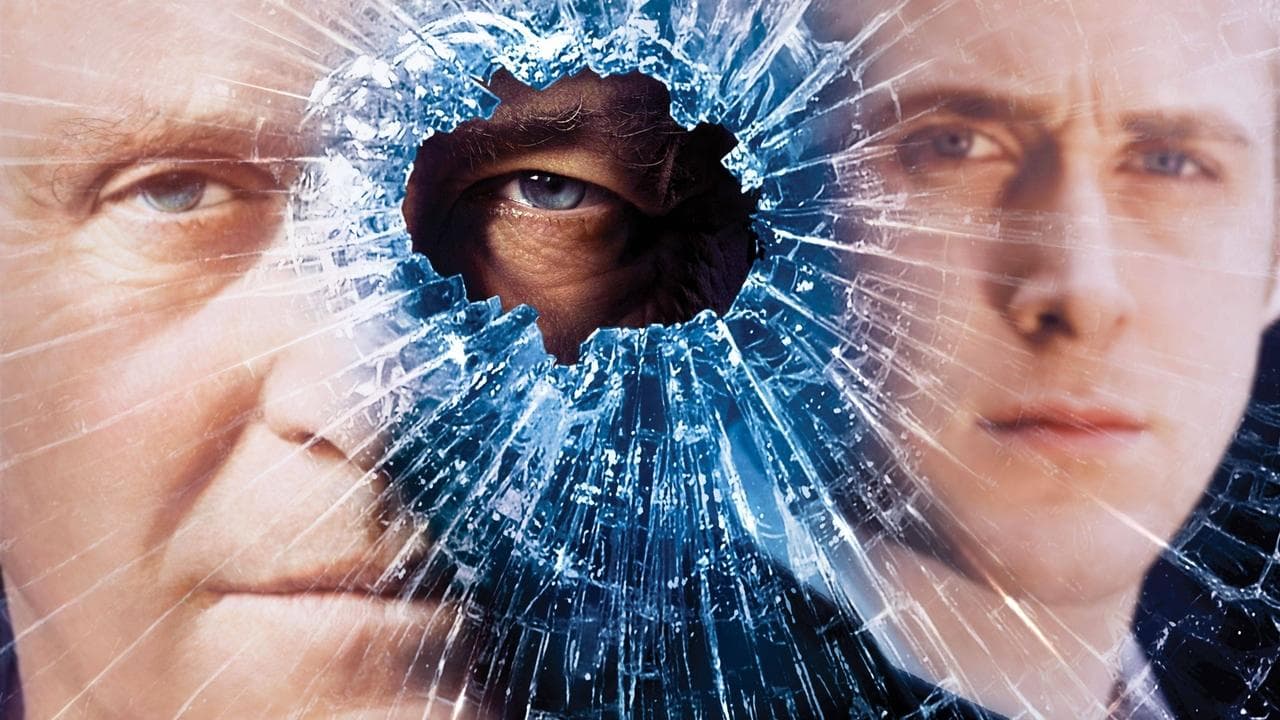
Fracture opens on a premise so deceptively simple it's almost dangerous. A man walks into a police station and tells them exactly what he's done—he shot his wife. Case closed, right? Not even close. The film follows the cat-and-mouse game between Ted Crawford, a meticulous aeronautics engineer and millionaire, and Willy Beachum, an ambitious young assistant district attorney convinced he's got the easiest conviction of his career. What unfolds isn't a straightforward prosecution but a battle of intellect and will, where Crawford seems to be orchestrating every move from inside the interrogation room. The 113-minute runtime moves with propulsive energy, each scene peeling back layers of motive, manipulation, and the kind of moral ambiguity that keeps you wondering who's really in control. It's a high-wire act—one man's confession against another man's desperation to prove what he already knows.
Behind the Making of Fracture: Production, Cast, and Awards
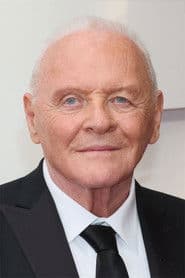
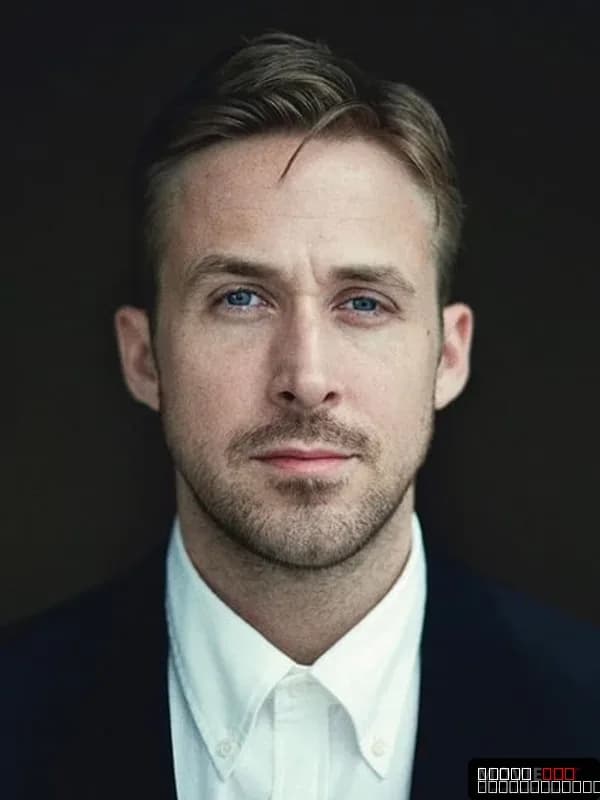
Fracture arrived in 2007 as a collaboration between M7 Filmproduktion, New Line Cinema, Castle Rock Entertainment, and Weinstock Productions, directed by Gregory Hoblit, whose background in television (NYPD Blue, Hill Street Blues) gave him a sharp eye for procedural tension. The screenplay came from Daniel Pyne and Glenn Gers, who crafted a premise that's almost novelistic in its construction—the kind of story that rewards a second viewing because you realize how carefully the pieces were placed from the start. The casting of Anthony Hopkins opposite Ryan Gosling wasn't just smart casting; it was generational casting. Hopkins brought decades of gravitas and that unsettling charisma he'd perfected in roles like Hannibal Lecter, while Gosling—still in his early thirties, fresh off roles that showed he could do more than look good—proved he could hold his own against one of cinema's most commanding actors. The supporting ensemble included David Strathairn, Rosamund Pike, Embeth Davidtz, and Fiona Shaw, all bringing credibility to a story that demands it. While Fracture didn't become a box office juggernaut, it earned solid returns and critical respect, landing a 7.3 rating on IMDb and finding its audience through word-of-mouth and repeat viewings—the kind of film people recommend to friends who like smart thrillers.
What Makes Fracture Stand Out: The Performances That Anchor Everything
Here's what's striking about Fracture: it's a two-hander disguised as an ensemble piece. Hopkins and Gosling don't just share scenes—they're in a constant conversation, each trying to outthink the other, and the electricity between them is palpable from their first encounter. Hopkins plays Crawford with a kind of surgical precision, every gesture controlled, every word chosen for maximum effect. He's not ranting or theatrical; he's almost conversational, which makes him more terrifying. Gosling's Beachum, by contrast, is all nervous energy and ambition—he wants the win, wants the promotion, wants to prove himself to his superiors. What makes their dynamic work is that you can see how Crawford is playing Beachum like an instrument, and how Beachum slowly realizes it but can't quite stop himself from taking the bait. The writing gives both actors room to explore the psychology of obsession—Crawford's with control, Beachum's with vindication. One thing that audiences keep coming back to is how the film refuses to let you settle into a comfortable position. You think you know what happened. Then Crawford says something that makes you question it. Then evidence surfaces that contradicts your assumption. It's not gimmicky; it's the natural result of two intelligent people trying to outsmart each other, and the film trusts viewers to keep up. The supporting performances—particularly Strathairn's weary detective and Pike's tragic wife—ground the story in emotional reality, preventing it from becoming a pure intellectual exercise.
Where to Stream Fracture Online
Fracture is available on major OTT services, and you can find current streaming options using the Where to Watch widget at the top of this page. If you're a Movie OTT regular, you know we track real-time availability across platforms, so you'll know exactly where to find it right now—whether that's a subscription service, rental platform, or purchase option. The nice thing about a film like Fracture is that it's the kind of thriller you might want to own or have easy access to, since the plot rewards a rewatch once you know how it all unfolds. The twist isn't a "gotcha" that ruins the film on a second viewing; instead, it deepens your appreciation for how carefully the story was constructed.
Frequently asked questions
Q: Who directed Fracture?
Gregory Hoblit directed Fracture in 2007. He's best known for his work on acclaimed television series like NYPD Blue and Hill Street Blues, bringing that procedural precision to this feature film.
Q: Is Fracture based on a true story?
No, Fracture is an original screenplay written by Daniel Pyne and Glenn Gers. While it draws on real legal principles and courtroom dynamics, the story and characters are fictional creations.
Q: What's the runtime of Fracture?
Fracture runs 113 minutes, a tight runtime that keeps the tension and pacing moving without feeling rushed or overstretched.
Q: Why does Crawford confess if he's guilty?
I won't spoil it, but Crawford's confession is actually part of a larger strategy. The whole point of the film is that nothing is as straightforward as it initially appears—that's what makes the cat-and-mouse game so compelling.
Q: How does Fracture compare to other legal thrillers?
Unlike many courtroom dramas that focus on jury deliberation or public trials, Fracture is more intimate and psychological. It's less about winning a case in front of twelve jurors and more about two men locked in intellectual combat, which gives it a different flavor from something like A Few Good Men or Anatomy of a Murder.
Final Thoughts on Fracture
Fracture is the kind of film that doesn't need spectacle or explosions to keep you engaged. It's two brilliant actors, a clever script, and a premise that refuses to be solved. If you're looking for a thriller that treats you like you're intelligent—one that won't spell everything out and actually rewards your attention—Fracture delivers. It's a film that's aged well, partly because it's not built on trends or topical urgency, just on the timeless appeal of two people trying to outwit each other. Whether you're discovering it for the first time or revisiting it, there's something deeply satisfying about watching a story this carefully constructed unfold.