



The Story of Game 6: Art vs. Baseball
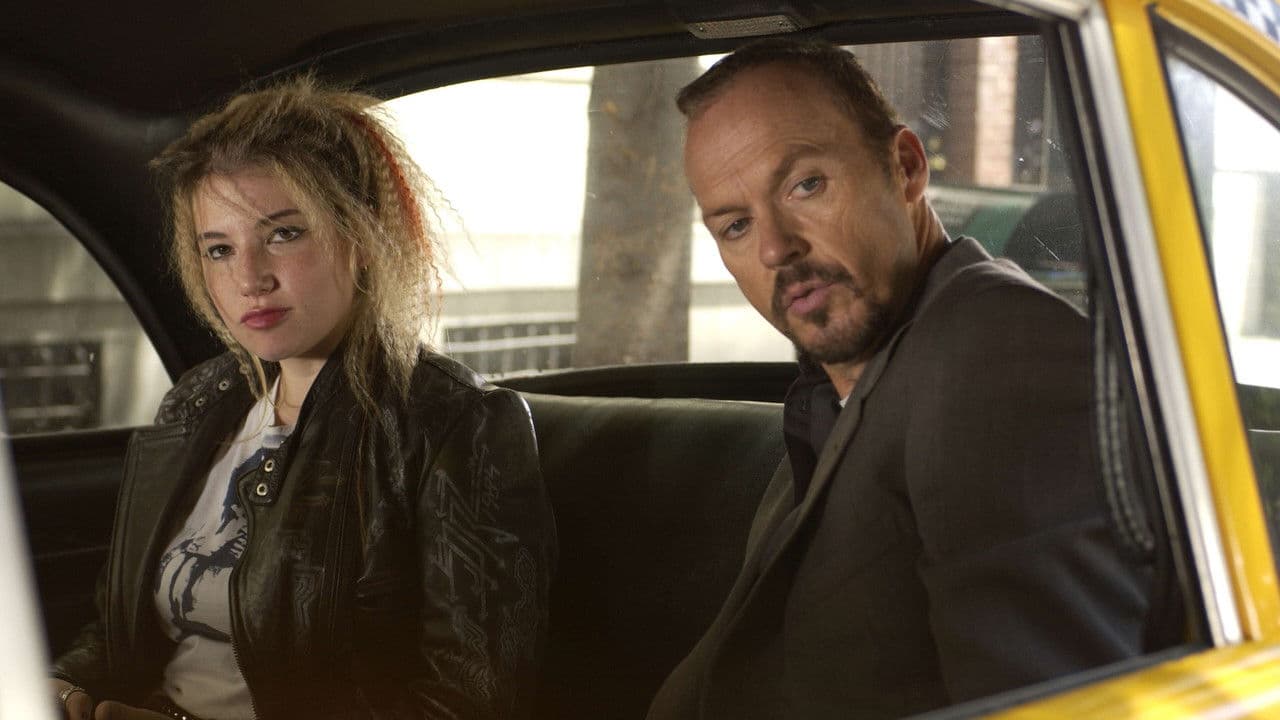
Game 6 follows Nicky Rogan, a playwright whose new stage production is set to debut on the same evening as Game 6 of the 1986 World Series—one of the most storied nights in baseball history. Caught between the opening of his life's work and the pull of that momentous game, Rogan faces the kind of conflict that sounds deceptively simple on paper: which matters more, the thing you've built or the thing you can't miss? The film doesn't treat this as a throwaway premise. Instead, it uses the collision between theatrical ambition and sporting history as a lens to examine how we choose what's real, what's meaningful, and whether those two things are ever the same.
What makes Game 6 intriguing—even if the execution stumbles—is that it refuses to pick a side. It's not a baseball movie that happens to have a playwright in it, nor a theatrical drama that uses sports as window dressing. Rather, it's a film about competing mythologies, about the stories we tell ourselves and the stories we tell others, all set against the backdrop of a game that actually happened and changed everything for one city's fans.
Behind the Making of Game 6: Don DeLillo's Directorial Gamble
Game 6 represents something rare: the first film adaptation of a screenplay written by Don DeLillo, the legendary novelist behind works like White Noise and Underworld. Directed by Michael Hoffman—who'd previously helmed films like Restoration and The Emperor's Club—the project premiered at the Sundance Film Festival before receiving a limited theatrical release on March 10, 2006. The production brought together Vox3 Films, Serenade Films, Double Play, and ShadowCatcher Entertainment in an effort to realize DeLillo's 1991 script, which had spent more than a decade in development.
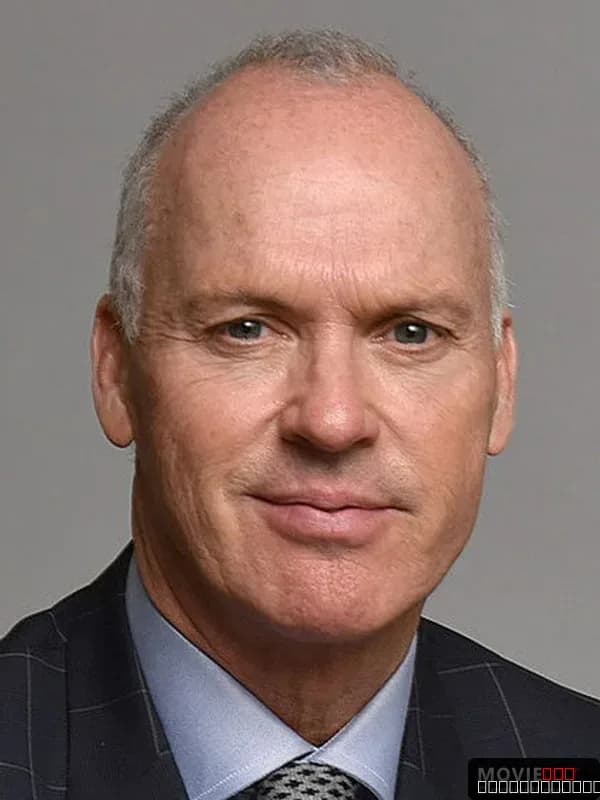
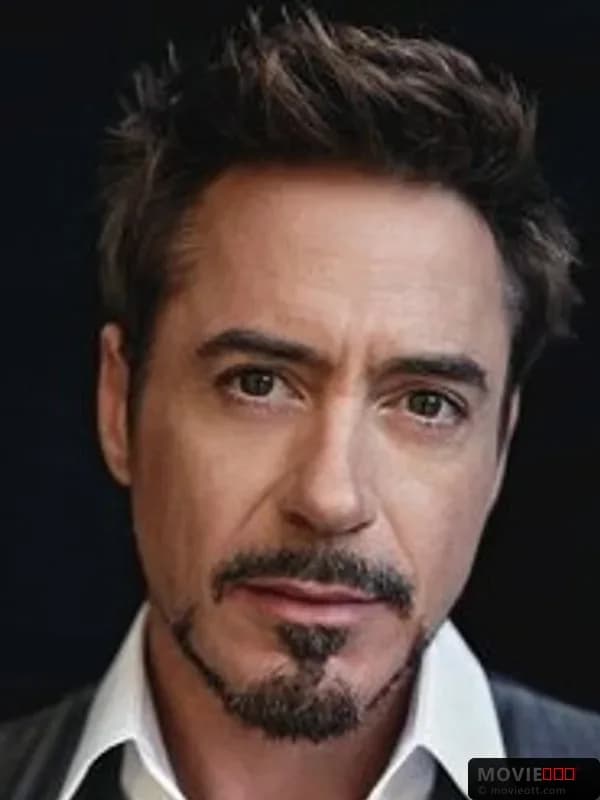
The cast assembled is genuinely impressive on paper. Michael Keaton anchors the film as Rogan, the conflicted playwright, while Robert Downey Jr. plays a character caught in the orbit of that fateful night. Supporting roles include Bebe Neuwirth, Griffin Dunne, and Catherine O'Hara—all actors with substantial dramatic credentials. The film's soundtrack was composed and performed by Yo La Tengo, the indie rock band known for their meticulous, often melancholic instrumental work, which lends the whole enterprise a certain downtown New York sensibility.
Despite this pedigree, Game 6 arrived to mixed reviews and limited box office success. It currently holds a 4.521/10 rating on IMDb, which tells you something about how audiences ultimately responded. The 87-minute runtime suggests an attempt at tightness, though the film's struggles aren't really about pacing—they're about tone and execution. Still, it's the kind of ambitious swing that deserves acknowledgment, even when it doesn't connect.
What Makes Game 6 Stand Out: Ambition Without Quite Landing
Honestly, the thing nobody mentions is that Game 6 is genuinely trying to do something smart—it's just that it doesn't quite pull it off. The film wants to be a meditation on memory, chance, and the stories we construct around real events. It wants to play with the boundary between what actually happened (the 1986 World Series) and what we've invented (Nicky Rogan and his opening night). That's a sophisticated idea, and there are moments where it almost works.
Keaton brings a kind of weary intelligence to Rogan—you believe he's a man caught between two worlds, unable to fully commit to either. There's a scene where he's backstage, watching his actors prepare, and you can see the conflict playing across his face without him saying much. What's striking is how the film captures that particular anxiety of creation, the moment right before your work leaves your hands and becomes something you can no longer control. That matters. But the film's tonal inconsistency—it can't decide if it's a comedy, a drama, or a philosophical inquiry—keeps it from building momentum.
The performances, while committed, don't always feel like they're in the same movie. Downey Jr. brings a manic energy that sometimes feels out of step with Keaton's more internalized approach. The film keeps cutting away to various subplots and side characters, which dilutes the central tension rather than enriching it. And here's the real problem: the script doesn't trust its own premise. It keeps adding complications and narrative detours when the elegance of the original idea—a man choosing between two kinds of meaning—would've been enough.
Where to Stream Game 6 Online
Game 6 is available on major OTT services, and you can check the Where to Watch widget at the top of this page for current availability in your region. Streaming rights shift regularly, so if you're planning to watch, Movie OTT tracks which platforms carry it right now—saving you the frustration of searching across three different apps only to find it's not there. The film's modest runtime makes it an easy evening watch, even if it's not quite the film you might've hoped for.
If you're a Michael Keaton completist or deeply interested in Don DeLillo's work across mediums, it's worth tracking down. For casual viewers, it's more of a curiosity—the kind of film that generates interesting conversations afterward, even if the experience itself feels uneven.
Frequently asked questions
Q: Is Game 6 based on a true story?
The film combines real and fictional elements. The 1986 World Series is historical fact, but the protagonist Nicky Rogan and his opening night are entirely fictional. The film plays with this blend intentionally, blurring the line between what actually happened and what we've imagined.
Q: Who directed Game 6?
Michael Hoffman directed the film based on a screenplay by Don DeLillo, making it DeLillo's first script to be adapted into a feature film. The screenplay was originally written in 1991 but took years to reach the screen.
Q: What year was Game 6 released?
Game 6 premiered at the Sundance Film Festival and received its limited theatrical release on March 10, 2006, though it's been widely available on streaming platforms since then.
Q: How long is Game 6?
The film runs 87 minutes, making it a relatively compact drama-comedy that moves quickly through its premise and various subplots.
Q: Who composed the Game 6 soundtrack?
Yo La Tengo, the acclaimed indie rock band, wrote and performed the entire soundtrack, giving the film a distinctive musical identity that complements its downtown New York setting.
Final Thoughts on Game 6
Game 6 is the kind of film that lingers more for what it attempted than what it achieved. It's imperfect, sometimes frustratingly so—but it's also the product of serious artists (DeLillo, Hoffman, Keaton) trying to make something unconventional. The 2006 release didn't find a large audience, and the mixed reviews have kept it from gaining retrospective momentum. Still, if you're drawn to films that swing for the intellectual fences, or if you're curious about how a major novelist approaches screenwriting, it's worth a look. Just don't expect everything to land.