
The story of Beetlejuice: Death, haunting, and unwanted houseguests
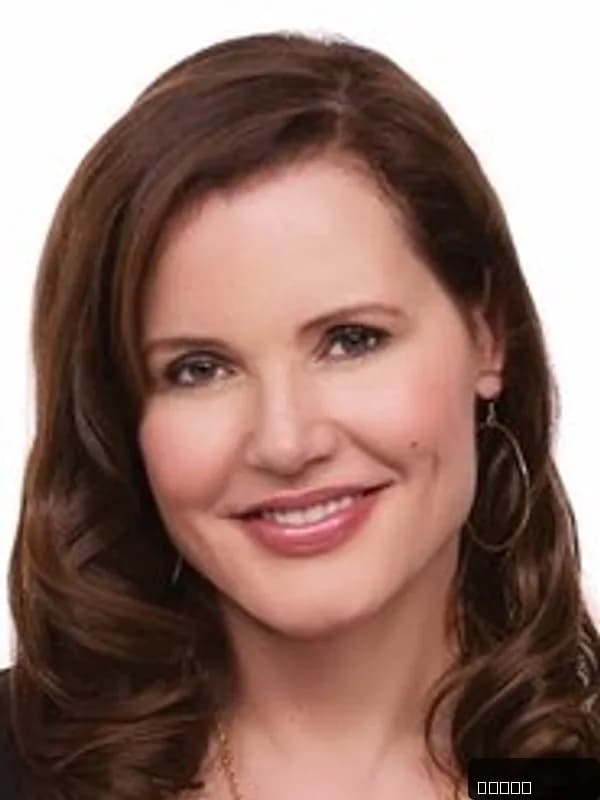
Tim Burton's Beetlejuice opens with a premise that's delightfully straightforward: a young couple, Adam and Barbara Maitland (Alec Baldwin and Geena Davis), perish in a car accident while driving through their small Connecticut town. When they return to consciousness, they discover they're now ghosts—bound to their beloved home and unable to leave. The problem? A pretentious family has already moved in, and they're determined to gut-renovate the place into something aggressively tacky. Desperate to reclaim their sanctuary, the Maitlands attempt to scare the intruders away on their own, but their efforts fall flat. That's when they make a fateful decision: summon Beetlejuice, a rogue spirit with a reputation for getting the job done—no matter how chaotic the results.
What makes Burton's setup work isn't just the high-concept premise. It's the emotional core underneath: these ghosts are grieving their interrupted lives, and the film never lets you forget that loss, even as it's cracking jokes about the afterlife. The new residents—the Deetzes, led by Jeffrey Jones's blowhard Charles and Catherine O'Hara's eccentric Delia—are so aggressively unlikeable that you're rooting for the haunting before the opening credits finish rolling. And then there's Winona Ryder, playing Lydia, the Deetzes' goth daughter who becomes the film's emotional anchor and, eventually, the key to everything.
Behind the making of Beetlejuice: Burton, Keaton, and practical magic
Beetlejuice emerged from a screenplay by Michael McDowell and Warren Skaaren, adapted from McDowell's original story (co-written with Larry Wilson), but it's Tim Burton's directorial vision that transformed it into something genuinely singular. Released in 1988, the film arrived at a moment when Burton was still establishing himself as a visionary—Pee-wee's Big Adventure had been a cult hit, but Beetlejuice proved he could command a larger canvas without losing his distinctive sensibility. The practical effects work, done largely without CGI (which was still in its infancy), remains impressive: the miniature sets, the makeup, the stop-motion sequences, and the creature design all feel tactile and lived-in, which is precisely why the film's aesthetic hasn't aged the way purely digital effects-driven movies often do.
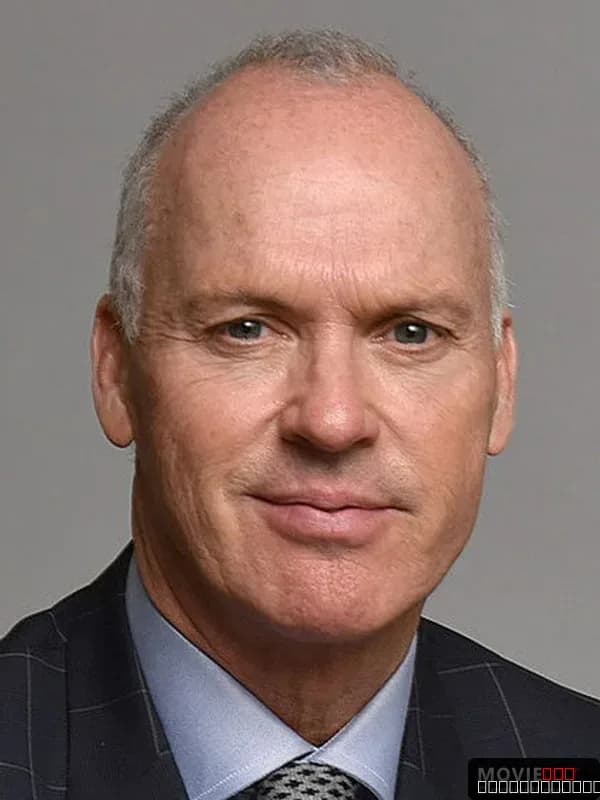
Michael Keaton's casting as Betelgeuse (that's the character's real name—Beetlejuice is just the stage name) was a shrewd choice. Keaton was known primarily for comedic roles at the time, and his manic energy, his willingness to go completely unhinged, and his impeccable comedic timing made him perfect for a character who doesn't fully appear on screen until the 40-minute mark but absolutely dominates every scene after that. Baldwin and Davis bring an earnest sweetness to the Maitlands that keeps the film grounded; O'Hara is hilarious as the art-obsessed Delia; and Ryder—then a rising star—delivers a performance that's both funny and genuinely moving, giving Lydia real vulnerability beneath the black clothes and deadpan delivery. The ensemble cast chemistry is tight, which matters in a film where the tone has to shift rapidly between heartfelt and absurd.
The film was a solid box office performer and has since become a beloved cult classic, though it didn't dominate awards season the way some of Burton's later work would. What it did do was establish Burton as a filmmaker who could blend horror, comedy, and genuine emotion in ways that felt fresh. Movie OTT tracks where films like this—genre-bending classics that refuse easy categorization—are currently streaming, and Beetlejuice remains one of those titles that people actively seek out and revisit.
What makes Beetlejuice stand out: Keaton's chaos and Burton's visual wit
Honestly, what's striking about Beetlejuice is how much of the film's success rests on Keaton's shoulders, and how completely he carries that burden. He's in the movie for maybe 20 minutes total, yet he's the character everyone remembers. His delivery is impeccable—the way he drawls "babes," the physical comedy, the sudden shifts from charming to genuinely menacing—it's a master class in comedic acting that doesn't announce itself as such. What I keep coming back to is a scene late in the film where Beetlejuice's true nature becomes apparent, and Keaton manages to be simultaneously hilarious and unsettling. That tonal balance is harder to pull off than it looks.
Beyond the performances, Burton's visual direction is inventive without ever feeling show-offy. The afterlife itself is rendered as a bureaucratic maze—there's a waiting room, a caseworker, forms to fill out—which is a genuinely clever satirical touch that could've been heavy-handed but instead feels organic to the film's logic. The makeup design for various ghosts is grotesque and funny in equal measure, and the production design by Bo Welch creates spaces that feel both fantastical and somehow real. The film doesn't explain everything, which is refreshing; it trusts the audience to go along with the logic of its world without spelling everything out.
There's also something to be said for how the film treats its female characters. Barbara and Lydia aren't damsels waiting to be saved—they're active participants in the plot, with their own agency and their own arcs. Lydia especially could've been a one-note goth-girl cliché, but Ryder makes her sympathetic and complex. The thing nobody mentions is that Beetlejuice is fundamentally a film about community and belonging: the Maitlands want their home back, Lydia wants to feel understood, and even Beetlejuice, for all his chaos, just wants to be relevant. It's a film about outsiders, really, which probably explains why it's endured as a cult classic.
Where to stream Beetlejuice online
If you're ready to revisit Burton's gothic comedy or watch it for the first time, Beetlejuice is currently available on Prime Video. You can check the "Where to Watch" widget at the top of this page for the most up-to-date streaming availability across all platforms. Since streaming rights shift regularly, it's worth checking that widget before you settle in—though given the film's popularity, it tends to cycle back onto major platforms fairly consistently. If you're a subscriber to Prime already, it's worth adding to your queue; if not, the film is also available for digital purchase or rental through various platforms that Movie OTT monitors regularly.
Frequently asked questions
Q: Who directed Beetlejuice?
Tim Burton directed Beetlejuice, which was released in 1988. The screenplay was written by Michael McDowell and Warren Skaaren, based on a story by McDowell and Larry Wilson. It remains one of Burton's most beloved films and a defining work of his early career.
Q: How long is Beetlejuice?
The film has a runtime of 89 minutes, making it a tight, fast-paced comedy that doesn't overstay its welcome. The relatively short length actually works in its favor, keeping the energy high throughout.
Q: Is Beetlejuice rated for kids?
Beetlejuice is rated PG, which means parental guidance is suggested but the film isn't restricted. It contains some mild language, cartoon violence, and images that might be slightly scary for very young children, but it's generally considered family-friendly, especially for kids aged 8 and up who can handle a little spookiness.
Q: What's the IMDb rating for Beetlejuice?
Beetlejuice holds a 7.3/10 rating on IMDb, reflecting its status as a well-regarded cult classic that audiences have consistently enjoyed over the past 35+ years.
Q: Where can I watch Beetlejuice right now?
Beetlejuice is currently streaming on Prime Video. Check the "Where to Watch" widget at the top of this page for real-time availability and alternative viewing options in your region.
Final thoughts on Beetlejuice
There's a reason Beetlejuice endures. It's inventive, genuinely funny, visually distinctive, and anchored by performances that feel alive and present. It doesn't take itself too seriously, but it also doesn't wink at the camera so much that you lose the emotional thread. Whether you're watching it for the first time or revisiting it after years away, the film holds up—which is the highest compliment you can pay a movie made in 1988. Keaton's performance alone is worth the 89 minutes, but the whole package—Burton's direction, the ensemble cast, the practical effects, the satirical edge—makes it essential viewing for anyone who loves horror-comedy or just wants to see filmmaking that feels genuinely inventive.