



The story of Path to War: How America chose escalation
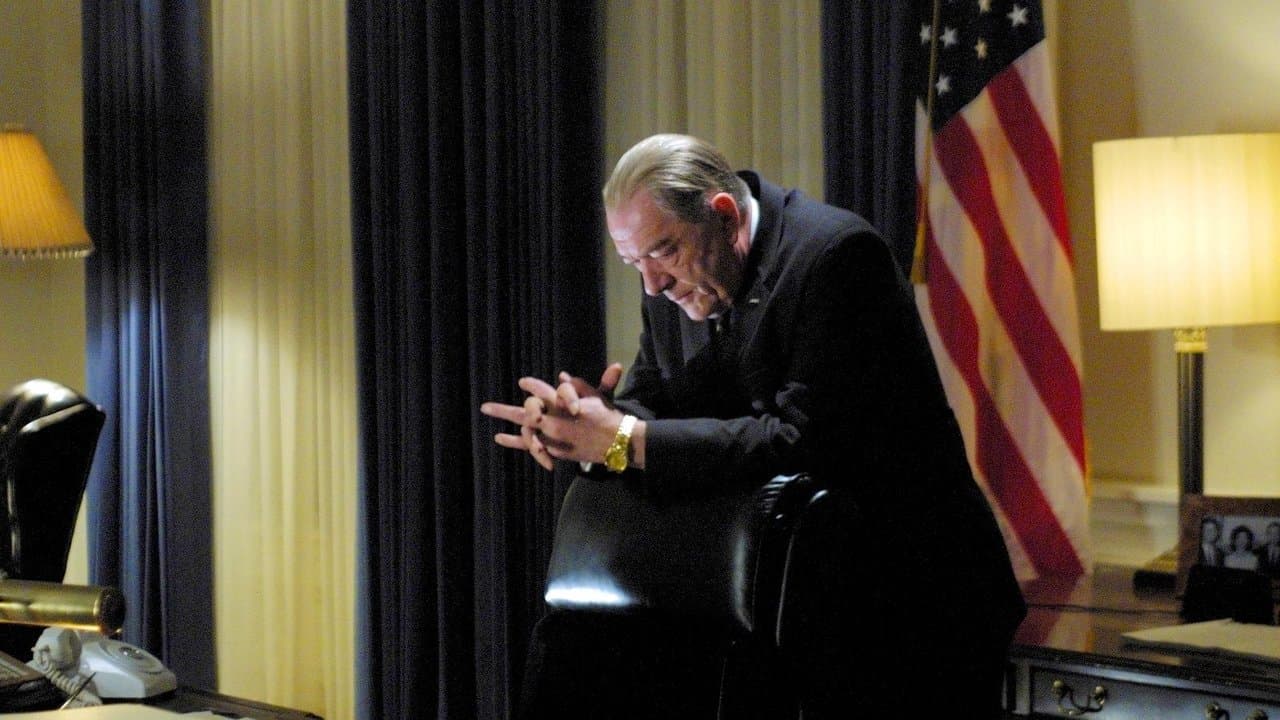
Path to War is a powerful examination of how the United States stumbled into its most divisive conflict. The film doesn't dramatize battles or soldier narratives—instead, it camps out in the Oval Office and the corridors of power, watching as President Lyndon B. Johnson and his advisors inch toward a war that would define a generation. The tagline says it best: "He promised peace, but chose war." What unfolds across the film's 165 minutes is neither a heroic nor a villainous portrait, but something messier and more human—a story of good intentions colliding with flawed judgment, political pressure, and the fog of Cold War ideology that made escalation seem inevitable, even righteous, to those ordering it.
Behind the making of Path to War: Frankenheimer's swan song
Path to War arrived in 2003 as the final directorial effort of legendary filmmaker John Frankenheimer, who passed away just seven weeks after the film debuted on HBO. That weight—knowing you're watching the last work of a master—hangs over the picture in ways that can't be ignored. Frankenheimer brought decades of experience in taut political thrillers to this HBO production, partnering with Avenue Pictures, Edgar J. Scherick Associates, and HBO Films. Scherick himself would die seven months after the film's initial airing, making Path to War the last project released during his lifetime as well. The film clocks in at a substantial 165 minutes, which might sound long for a television movie, but the runtime serves the material—there's no rushing through the incremental decisions that led to war. Though specific box office figures for an HBO original don't apply in the traditional sense, the film found an audience on the network and has maintained a respectable IMDb rating of 6.738 out of 10, reflecting its serious ambitions and the divided opinions it's inspired among viewers who see it as either a prescient warning or a somewhat dated political drama.
What makes Path to War stand out: The performances and the slow burn
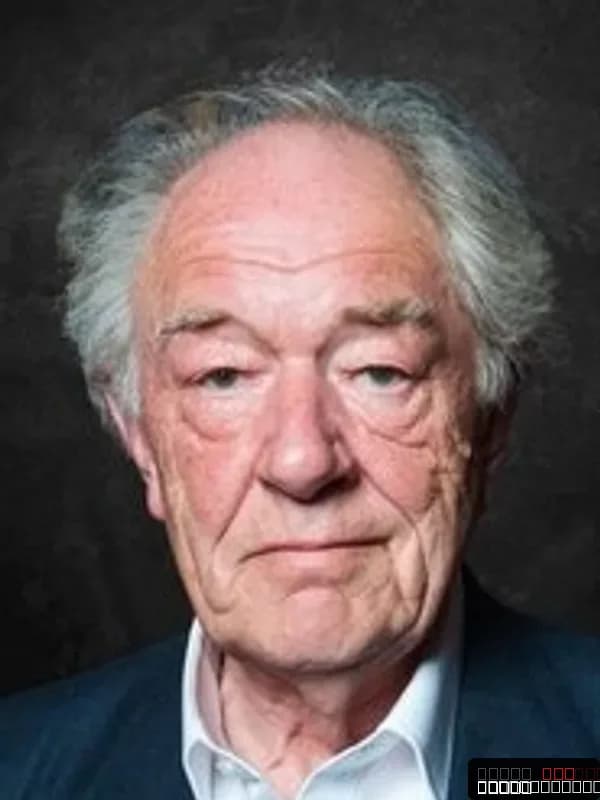
What's striking is how the film resists the urge to make any single figure a villain. Michael Gambon inhabits LBJ with a kind of wounded pragmatism—he's not a warmonger in a mustache-twirling sense, but a man trapped by his own political calculations and the advice of hawkish figures around him. The supporting cast carries the weight of institutional pressure: advisors, generals, and aides who each believe they're serving the national interest. I keep coming back to how the film shows war not as a sudden decision but as a series of small surrenders—each one seeming reasonable in isolation, each one pushing the country further into the mire. The screenplay doesn't offer easy answers or moral clarity; it shows how smart, educated people can collectively arrive at catastrophic choices when they're operating within the same flawed assumptions. That's what makes it sting. The dialogue crackles with the kind of political sparring you'd expect from a Frankenheimer production, and the pacing—while deliberately slow—builds a sense of inexorable momentum. Viewers tracking Vietnam War documentaries and dramas across streaming platforms on Movie OTT will find this one stands apart for its focus on process rather than passion, on the machinery of decision-making rather than the human cost on the ground.
Where to stream Path to War online
Path to War is available on major OTT services, and the "Where to Watch" widget at the top of this page will show you which platforms currently carry it in your region. Because it's an HBO original, you'll most likely find it on services that include HBO's catalog—but availability shifts, so checking that widget ensures you're getting the most up-to-date information. Movie OTT tracks current streaming availability across Netflix, Prime Video, and other major platforms, so you won't waste time hunting. The 165-minute runtime means you'll want to set aside an evening, but it's worth the commitment if you're interested in political history or want to understand how institutional decision-making can lead to national tragedy.
Frequently asked questions
Q: Who directed Path to War?
John Frankenheimer directed the film, and it was his final directorial project before his death in 2002. Frankenheimer was known for his work in political thrillers and brought that sensibility to this HBO drama about Vietnam War escalation.
Q: Is Path to War based on a true story?
Yes, the film is based on real events—specifically, the historical decisions made by President Lyndon B. Johnson and his administration that led to the escalation of the Vietnam War. It's a dramatized account of actual history rather than pure fiction.
Q: What's the runtime of Path to War?
The film runs 165 minutes, making it a substantial television movie that allows time to explore the incremental decisions and political pressures that shaped U.S. involvement in Vietnam.
Q: When was Path to War released?
Path to War premiered on HBO in 2003. It's classified as both a TV movie and a drama, reflecting its origins as an HBO Films production rather than a theatrical release.
Q: Where can I watch Path to War?
Path to War is available on major OTT platforms. Use the "Where to Watch" widget at the top of this page to see which services currently offer it in your area, or visit Movie OTT for the latest streaming availability updates.
Final thoughts on Path to War
Path to War isn't a comfortable watch, and it's not meant to be. It's a film about how democracies make terrible mistakes—not through villains or sudden madness, but through the slow accumulation of fear, pride, and miscalculation. Frankenheimer's final film deserves to be seen, especially by anyone who wants to understand how the Vietnam War happened from the inside. The performances anchor you, the writing keeps you engaged, and the historical weight of what you're watching lingers long after the credits roll. It's essential viewing for anyone interested in political history or the intersection of power and consequence.