




Unpacking the Despair in The Iceman Cometh's Last Chance Saloon
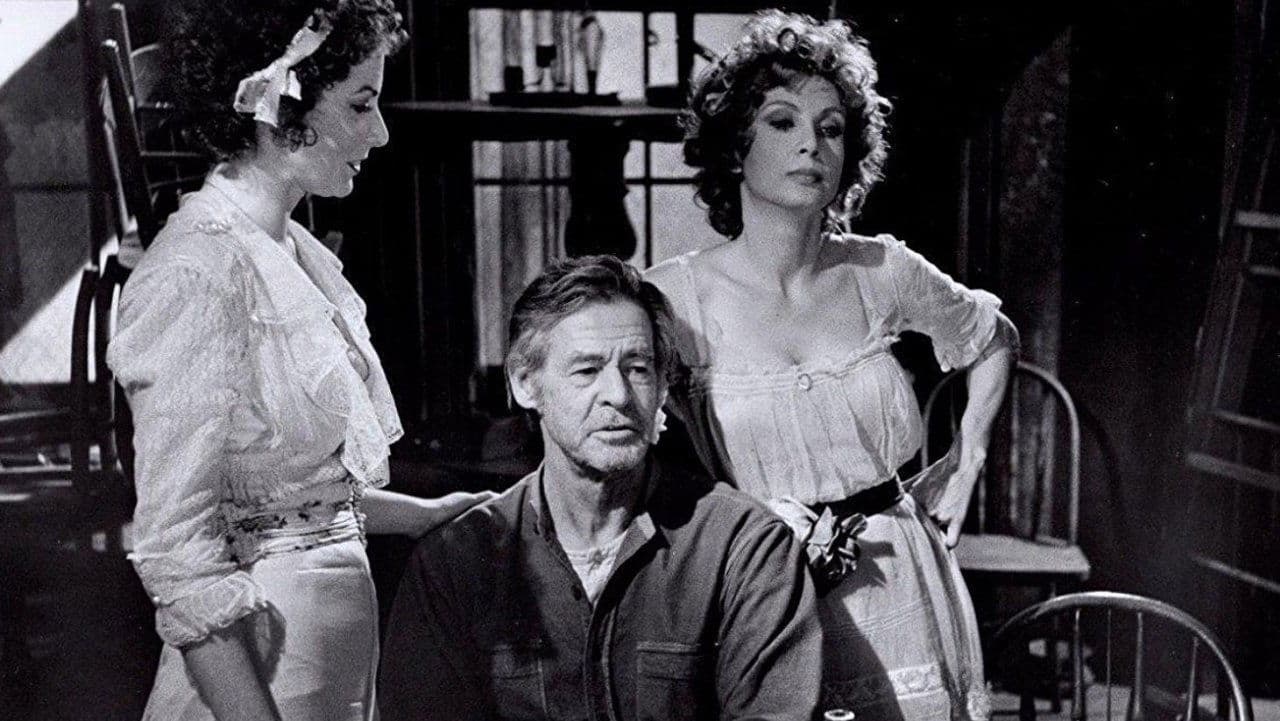
The Iceman Cometh transports viewers directly into the heart of a broken, booze-soaked world: The Last Chance Saloon, circa 1912. This isn't just any dive bar; it’s a sanctuary for life's downtrodden, a place where destitute patrons cling to their "pipe dreams" — flimsy promises of a better tomorrow that never arrives. Each year, their routine of drunken stupor and shared illusions is punctuated by the arrival of Hickey, a traveling salesman whose annual visit brings free drinks, boisterous stories, and a much-needed jolt of temporary cheer. What a setup. However, the 1973 film, based on Eugene O'Neill's monumental play, takes a dark turn when Hickey finally appears, not with his usual bonhomie, but with a radical new message: temperance. He's here to exhort everyone to give up their hopeless dreams, face reality head-on, and finally find peace. It's a message that threatens to shatter the fragile existence they've painstakingly constructed.
The American Film Theatre's Bold Vision for The Iceman Cometh
Bringing The Iceman Cometh to the silver screen was a monumental undertaking, really, and director John Frankenheimer embraced the challenge in 1973. This film wasn't a typical Hollywood production; it was produced by Ely Landau for the American Film Theatre (a fascinating, albeit short-lived, venture that from 1973 to 1975 presented 13 high-quality film adaptations of celebrated stage plays). The AFT's mission was to capture the essence of theatrical masterpieces with top-tier cinematic talent, and with The Iceman Cometh, they certainly delivered on that promise. The runtime alone, a sprawling 239 minutes, speaks volumes about their commitment to O'Neill's original vision, allowing the sprawling narrative and complex character arcs to unfold without compromise. Readers of Movie OTT know that the early 70s saw some truly ambitious cinematic experiments, and this film stands as a prime example.
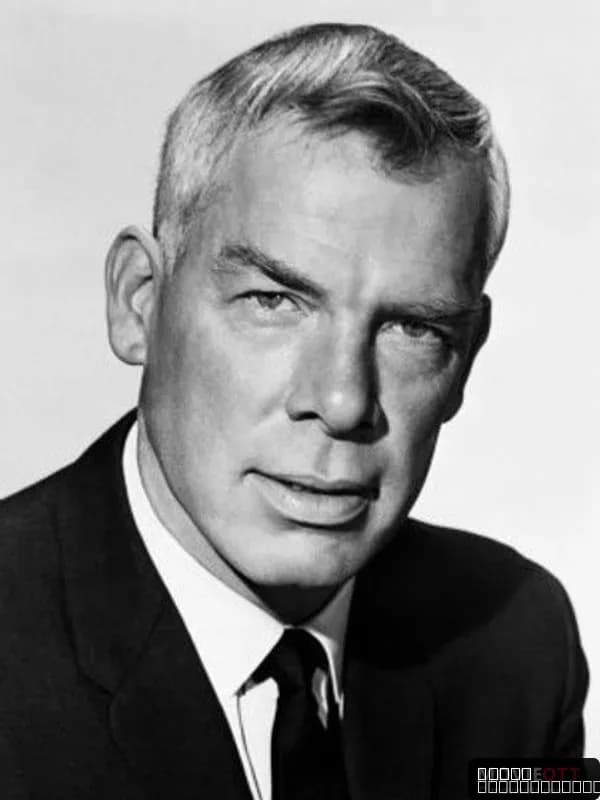
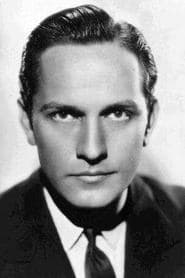
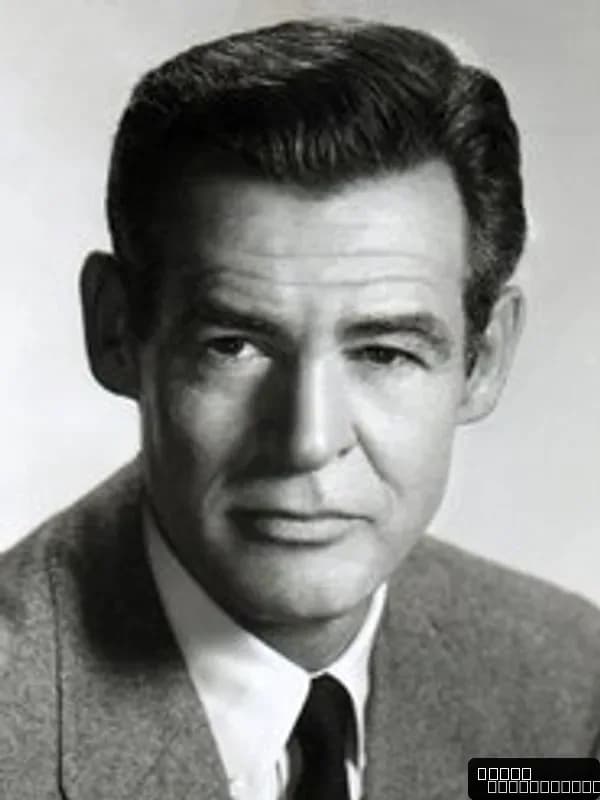
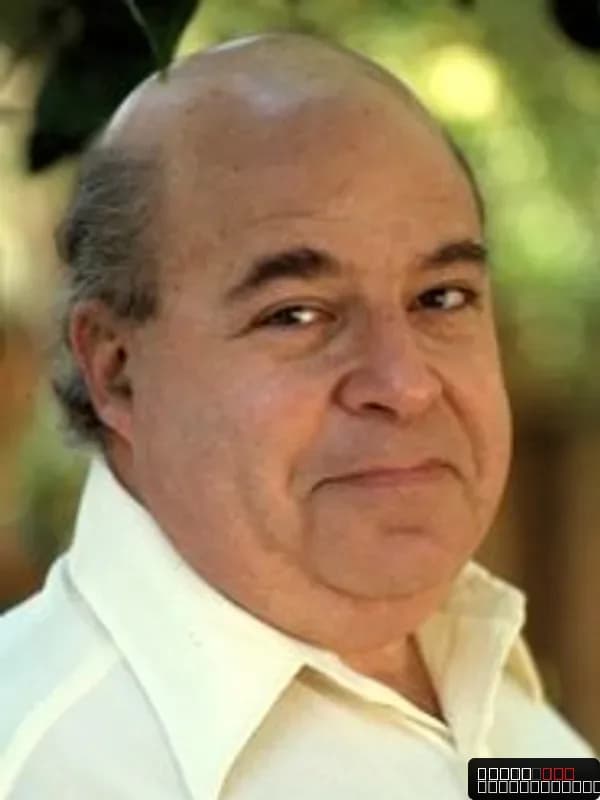
The cast assembled for this production is nothing short of legendary. Lee Marvin takes on the pivotal role of Hickey, delivering a performance that is both charismatic and chilling. He's joined by an incredible ensemble, including Fredric March, Robert Ryan, Jeff Bridges, and Bradford Dillman, each embodying a different facet of human despair and longing. Supporting roles are filled by equally talented actors like Sorrell Booke, Martyn Green, Moses Gunn, Clifton James, Tom Pedi, and George Voskovec. It's a testament to the play's enduring power and the director's vision that such a roster of talent was drawn to a project of this intensity. While the film didn't track traditional box office numbers or awards in the same way blockbuster releases did, its impact on cinematic history, particularly as an example of filmed theater, is undeniable. Its IMDb rating of 5.967/10 reflects its niche appeal as a challenging, lengthy drama, often appreciated more by cinephiles and theater enthusiasts than general audiences.
Why The Iceman Cometh Still Chills Audiences with its Stark Realism
Why The Iceman Cometh resonates so deeply, even decades after its release, lies in its unflinching exploration of universal themes: the necessity of illusion, the pain of confronting reality, and the pervasive nature of addiction and despair. What's striking is how relevant its themes remain in any era where people grapple with broken dreams and the search for meaning. O'Neill's dialogue, faithfully translated to the screen, is dense, poetic, and often heartbreaking, each character's monologue a window into their private hell. Lee Marvin's Hickey is a revelation — a man who believes he's found peace by shedding his own illusions, now determined to "save" others by forcing them to do the same. But his gospel of temperance proves far more destructive than the pipe dreams it seeks to replace. I keep coming back to the scene where Hickey tries to make them all leave the bar, to go face their supposed realities; it’s agonizing to watch them try and fail, demonstrating just how deeply intertwined their illusions are with their very identities.
Fredric March and Robert Ryan, in particular, deliver performances of profound pathos, portraying men whose last vestiges of hope are brutally stripped away. The film's oppressive atmosphere, confined almost entirely to the grimy saloon, enhances the sense of claustrophobia and inescapable fate. It's a long watch, yes, a commitment, sure, but one that pays dividends for those willing to engage with its raw, often uncomfortable truths. Honestly, it's a gut punch. You can't help but feel the weight of their choices, the crushing burden of their existence. One critic, writing for The New York Times at the time, observed, "Frankenheimer has not merely filmed a play; he has carved a living, breathing monument to O'Neill's bleak genius." The film truly embodies its tagline: "They drank and they dreamed...tomorrow they would conquer the world...then along came Hickey."
Finding The Iceman Cometh on Major Streaming Services
For those ready to immerse themselves in this powerful drama, The Iceman Cometh is currently available across major OTT services. Despite its considerable runtime and its origin as a stage play adaptation from 1973, it hasn't been relegated to the archives; it remains accessible for modern audiences. Here on Movie OTT, we understand the challenge of finding specific titles across the ever-expanding universe of streaming platforms, and we're always tracking down these hidden gems. You'll find all the current options listed in the "Where to Watch" widget located at the top of this page. It's nice to see that a film of this caliber hasn't been lost to time, ensuring that O'Neill's enduring message and these incredible performances continue to reach new viewers. Don't let its age or length deter you; its thematic relevance is timeless.
Frequently asked questions
Q: What is the runtime of The Iceman Cometh (1973)? A: John Frankenheimer's 1973 adaptation of The Iceman Cometh has a substantial runtime of 239 minutes. This extended duration allows the film to fully explore the depth and nuance of Eugene O'Neill's original stage play, making it a significant commitment for viewers.
Q: Is The Iceman Cometh based on a play? A: Yes, The Iceman Cometh is a direct adaptation of the acclaimed 1946 play by Nobel laureate Eugene O'Neill. The film, released in 1973, sought to bring O'Neill's powerful dramatic work to a wider cinematic audience while preserving its theatrical integrity.
Q: Who are the main actors in The Iceman Cometh? A: The film features an impressive ensemble cast, including Lee Marvin as the pivotal character Hickey, alongside Fredric March, Robert Ryan, Jeff Bridges, and Bradford Dillman. It's a true showcase of acting talent from the era, with each performer delivering a memorable portrayal.
Q: What is the IMDb rating for The Iceman Cometh? A: The Iceman Cometh holds an IMDb rating of 5.967 out of 10. While not exceptionally high, this rating reflects its niche appeal as a lengthy, intense drama, often appreciated by cinephiles and theater enthusiasts who value its artistic merit.
Is The Iceman Cometh Worth Your Time?
If you're a fan of profound character studies, intense ensemble acting, and dramas that aren't afraid to confront the darkest corners of the human psyche, then The Iceman Cometh is an absolute must-watch. This isn't a film for casual viewing; it demands your attention and patience, but the rewards are immense. Prepare yourself for a journey into despair, illusion, and the brutal truth of what happens when those illusions are shattered. For readers of Movie OTT looking for a truly impactful cinematic experience, this film offers a masterclass in adaptation and performance. It's a challenging but ultimately enriching experience that will linger long after the credits roll.