





The Story of Get on the Bus: A Journey to Unity
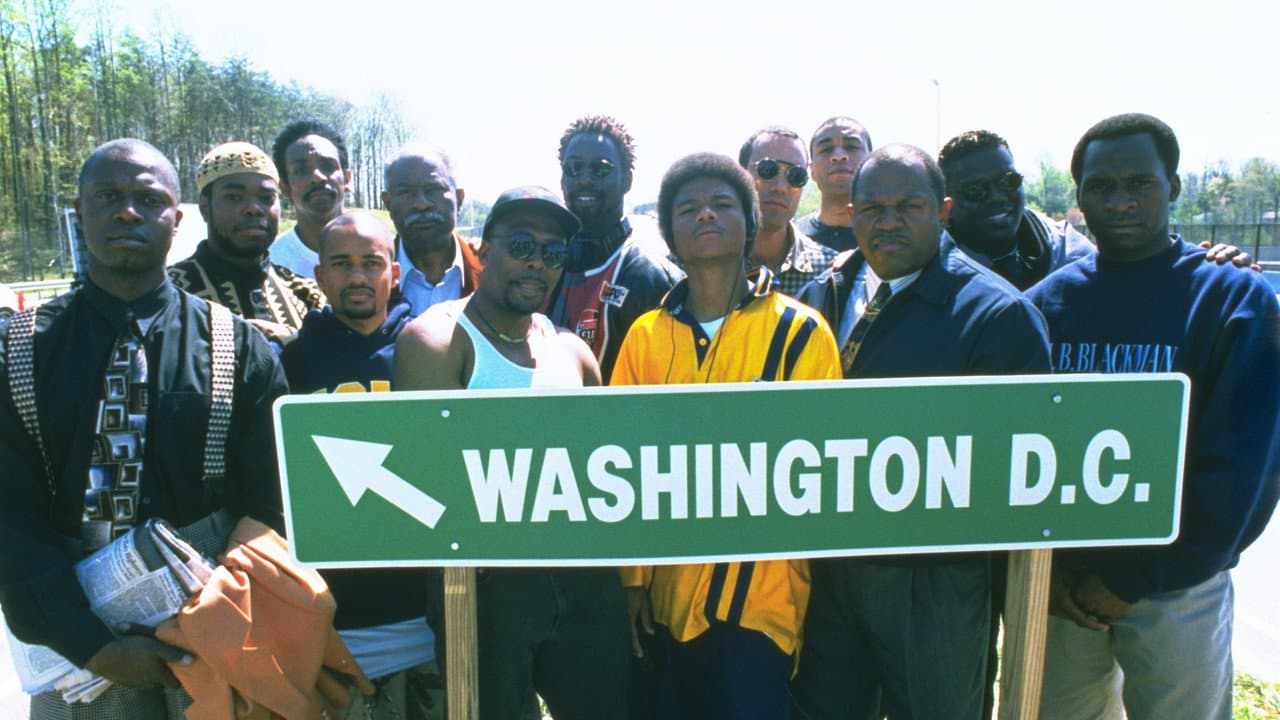
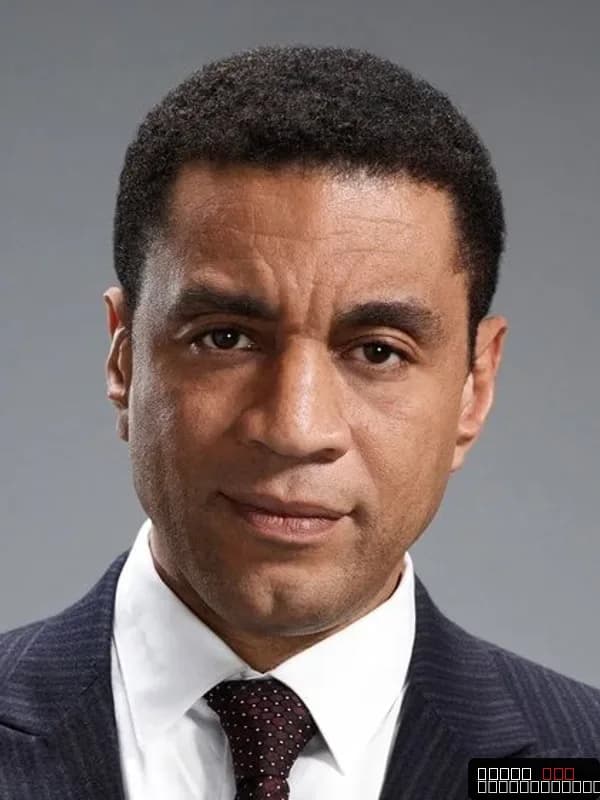
"Get on the Bus" plunges viewers into the heart of a momentous journey, chronicling the cross-country bus trip of fifteen Black men from South Central Los Angeles to Washington, D.C., all bound for the Million Man March in October 1995. This isn't just a physical trek across America; it's a profound exploration of identity, purpose, and the myriad experiences that shape Black manhood in America. The group itself is a meticulously crafted ensemble, representing a wide spectrum of backgrounds and beliefs. Among them are a laid-off aircraft worker grappling with his future, a father handcuffed to his at-risk son in a desperate attempt at reconciliation, a conservative Black Republican, a man trying to shed his past as a gangsta, a prominent Hollywood actor, and even a mixed-race cop navigating his own sense of belonging. Presiding over this diverse assembly is a white bus driver, a silent observer to the unfolding drama. As the miles accumulate, so do the discussions, covering everything from manhood and religion to politics, sexuality, and the enduring complexities of race in American society. This film is a rich tapestry of voices, each contributing to a larger, vital dialogue.
Behind the Making of Get on the Bus: Spike Lee's Vision
The creation of "Get on the Bus" is a testament to Spike Lee's unique directorial vision and his commitment to timely, impactful storytelling. Released in 1996 by Columbia Pictures and his own 40 Acres and a Mule Filmworks, the film premiered on October 16, 1996 – exactly one year after the historic Million Man March it depicts. This timing wasn't coincidental; it was a deliberate choice to amplify the film's resonance and connect directly with the cultural memory of the event. What's striking about "Get on the Bus" in Lee's extensive filmography is that it marks the first time he directed a feature film without also appearing in it. A true ensemble piece. The film runs for a substantial 122 minutes, allowing ample time for its characters to develop and their complex discussions to unfold naturally. While it didn't achieve blockbuster status at the box office, its impact was more cultural than commercial. On a critical aggregate, "Get on the Bus" holds an IMDb rating of 6.348/10, reflecting a generally positive, if not universally acclaimed, reception upon its release. Its production was a lean, focused effort, prioritizing the authenticity of its narrative over grand cinematic spectacle, a hallmark of many of Lee's most effective works. Honestly, it's a film that embodies independent spirit, delivering a powerful message without relying on massive budgets or star power alone.
Why Get on the Bus Resonates: Dialogue and Dissection
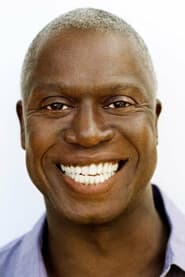
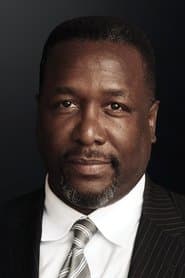
What makes "Get on the Bus" truly stand out is its relentless commitment to dialogue – both literal and thematic. The film functions almost like a moving stage play, where the confined space of the bus forces its characters into unavoidable, often uncomfortable, conversations. These aren't just polite exchanges; they're impassioned debates, raw confessions, and profound disagreements that lay bare the fault lines and common ground within the Black community. The diverse cast, including figures like Andre Braugher as the Black Republican and Ossie Davis as the elder statesman, delivers performances that feel deeply lived-in, making each character's perspective feel authentic and earned. I keep coming back to the way the film doesn't shy away from internal contradictions; it celebrates the plurality of Black thought, even when those thoughts are in direct opposition. It’s a powerful film. The journey itself—more than the destination—becomes the crucible where ideas about manhood, responsibility, identity, and the very meaning of the Million Man March are forged and tested. As The Washington Post noted at the time, "Lee masterfully orchestrates a symphony of voices, each note essential to the overarching melody of Black male experience." This isn't a film with easy answers; it's a film that asks vital questions, prompting viewers to consider their own stance on the issues raised. You'll find yourself listening intently, sometimes nodding, sometimes shaking your head, but always engaged. That's the power of Spike Lee at his best, isn't it?
Where to Stream Get on the Bus: Your Viewing Options
For those eager to experience the impactful journey of "Get on the Bus," finding where to watch it today is straightforward thanks to the proliferation of streaming services. Movie OTT is your go-to resource for tracking the current availability of films like this across various platforms. As of now, "Get on the Bus" is available on major OTT services, making it accessible to a wide audience. You won't have to search endlessly; a quick glance at the "Where to Watch" widget at the top of this page will give you the most up-to-date information on which platforms are currently hosting the film, whether it's available for subscription streaming, rent, or purchase. We're dedicated to helping you connect with the movies you want to see, and "Get on the Bus" is definitely one that merits finding. Remember to check back with Movie OTT regularly, as streaming rights can change, ensuring you always have the latest information at your fingertips.
Frequently asked questions
Q: What is Get on the Bus about?
"Get on the Bus" is a 1996 drama directed by Spike Lee, following fifteen diverse Black men on a cross-country bus trip from Los Angeles to Washington, D.C., to attend the Million Man March. Along the way, they engage in intense discussions about manhood, race, religion, politics, and sexuality.
Q: Who directed Get on the Bus?
The acclaimed filmmaker Spike Lee directed "Get on the Bus." Interestingly, it was the first feature film he directed in which he did not also appear as an actor.
Q: When was Get on the Bus released?
"Get on the Bus" was released in 1996, specifically premiering on October 16th, which was the one-year anniversary of the Million Man March that serves as the film's backdrop.
Q: How long is Get on the Bus?
The runtime for "Get on the Bus" is 122 minutes. This substantial length allows for the film's deep character development and extensive thematic discussions.
Final Thoughts on Get on the Bus: A Timeless Conversation
"Get on the Bus" remains a vital piece of cinema, particularly for its candid and multifaceted portrayal of Black male identity and the complexities of community. It's a film that doesn't just tell a story; it ignites a conversation, one that feels as relevant today as it did nearly three decades ago. If you appreciate films that prioritize character-driven dialogue and unflinching social commentary, Spike Lee's "Get on the Bus" is an essential watch. It's a unique opportunity to witness a diverse group of men grapple with profound questions, all while heading towards a moment of collective significance. Movie OTT certainly recommends adding this historical drama to your watchlist, especially if you're keen on films that make you think and engage.