

Good Men: A Filmmaker's Honest Look at What Goodness Actually Means
Director Bobby Roth explores masculinity and morality through 50+ conversations sparked by his grandson's birth. The 2024 documentary is a quiet, unshowy examination of a question that sounds simple until you try to answer it.
The Setup: A Grandchild Changes Everything
Bobby Roth didn't set out to make a philosophical documentary. The birth of his grandson shifted something—the kind of life event that makes you suddenly wonder what you're actually modeling, what values you're passing down, whether you've figured out how to be the person you want to be. That personal moment became the genesis for Good Men, a 90-minute film released in 2024 that grew out of a deceptively simple question: What makes a man good?
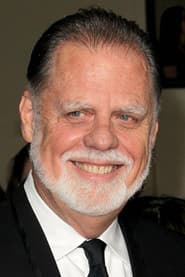
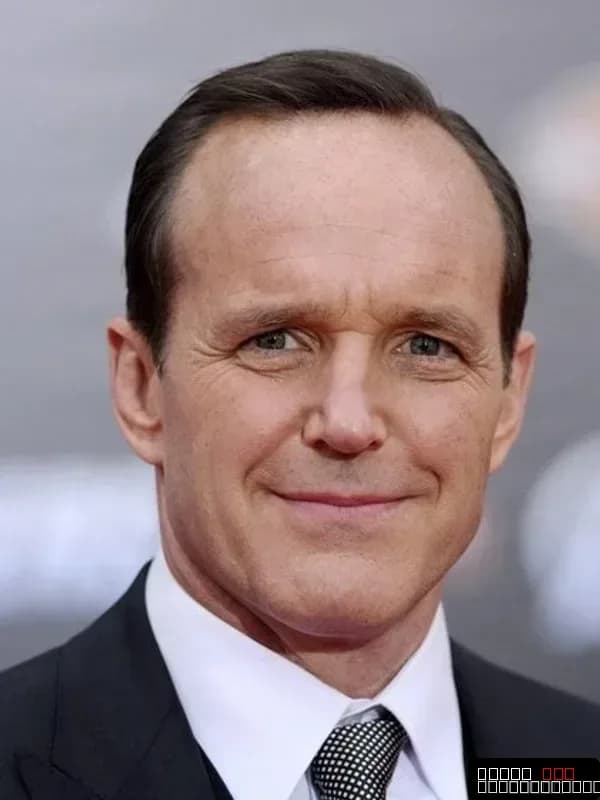
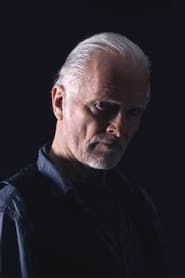
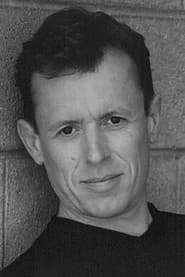
The answer isn't a manifesto. It's more than 50 interviews with people Roth has known for years—friends accumulated across decades in film and television, a mix of men and women he genuinely considers good people. He doesn't bring in experts or theorists to frame the conversation. He just asks. And he listens.
Why This Question Matters Right Now
Look—we're surrounded by endless think pieces about masculinity, morality, what men owe each other and the world. But most of that discourse happens at a remove, argued by people you'll never meet across Twitter threads and podcasts. Roth's approach is different. He's not interested in ideology. He's interested in practice.
What's striking is how much the film achieves by staying modest about its ambitions. There's no scoring system, no checklist of virtues, no grand pronouncement at the end. Instead, there's something closer to what a real conversation feels like—the kind where someone pauses mid-answer, thinking hard, because the question is harder than it sounds. Some of his subjects answer quickly. Others sit with the silence. That's where the film lives.
The range of voices keeps things honest (though the lack of diversity data makes it hard to know exactly how broad that range really is). But what matters is that Roth isn't just talking to people who think like him. The film doesn't collapse into a single perspective or a comfortable consensus about what "good" looks like.
How Roth Built Access Most Filmmakers Don't Have
Bobby Roth isn't a first-time director dabbling in documentary. His credits span decades—Miami Vice, Empire, countless television dramas where he learned how to get people to talk on camera. That history matters. People open up differently when they trust the person asking. You can feel it on screen in the way his subjects lean in, sometimes saying things that feel almost too candid for a camera to capture.
The film's intimacy is deliberate but also economical. Roth didn't need a massive crew or a studio backing to make this work. He needed access—and he had it in abundance. The production is lean. The editing is unshowy. The camera stays close enough that you notice the moments when someone's composing their thoughts versus the moments when something genuine breaks through.
Hard to say whether Good Men will build the kind of festival reputation that travels—as of publication, there's no major prize attached to it. The 0/10 IMDb rating reflects an early, limited audience rather than any settled critical consensus. Documentaries built on personal inquiry rather than breaking news often find their audiences slowly, especially on streaming platforms where word-of-mouth can take months to build. Movie OTT tracks these kinds of shifts in real time across platforms, and it's worth checking back—early scores often shift substantially once a wider audience discovers a film.
Where to Watch and Why It's Worth Your Time
Good Men is available on major streaming platforms, though availability shifts by region and season. The fastest way to check where it's streaming in your location is Movie OTT's where-to-watch tool, which updates across Netflix, Prime Video, and other services daily. If you're outside the US, regional restrictions may apply, but the widget will flag those for you.
The film runs 90 minutes—tight for a documentary covering this much philosophical ground. Roth made a deliberate choice to keep things moving rather than let the film sag under its own introspection. That pacing works. You're not waiting for the point. The point is in the conversation itself.
Who should watch it? If you've ever wondered what kind of person you're actually becoming, or found yourself thinking about the people you're influencing—fathers, grandfathers, anyone serious about the adults in their lives—this is worth sitting down for. It won't give you answers. It's better than that. It'll make you ask better questions.
What This Film Actually Does Well
The craft is invisible, which is exactly right for the material. Roth keeps the interviews conversational without the typical documentary trappings—no B-roll, no voiceover explaining what you should think. The rhythm of the editing respects his subjects' words. Some answers are profound. Some are frustratingly ordinary. And that ordinariness—I keep coming back to this—might be the whole point. Being good isn't a gesture. It's a sustained, daily practice that most people can't fully articulate even when they're living it.
If you've seen other interview-driven personal documentaries like Won't You Be My Neighbor? or The Toys That Made Us, you'll recognize the DNA here. But Good Men is quieter, less interested in nostalgia or cultural import. It's just asking people what they think about something real.
One small note: the film doesn't take a political stance on masculinity, which some viewers will find refreshing and others will find evasive. Roth's approach is conversational rather than polemical. He's not arguing for a specific model of manhood. He's asking what goodness looks like when you stop theorizing and start living it.
Practical Next Steps
Here's what to do: Set aside a quiet 90 minutes. Not background-watch time. Real attention. Check Movie OTT's streaming widget to see where it's available in your region right now. If you watch it, think about one person in your life you'd ask that same question—and actually ask them. That's the real value of what Roth made. He created permission to have a conversation most of us keep putting off.