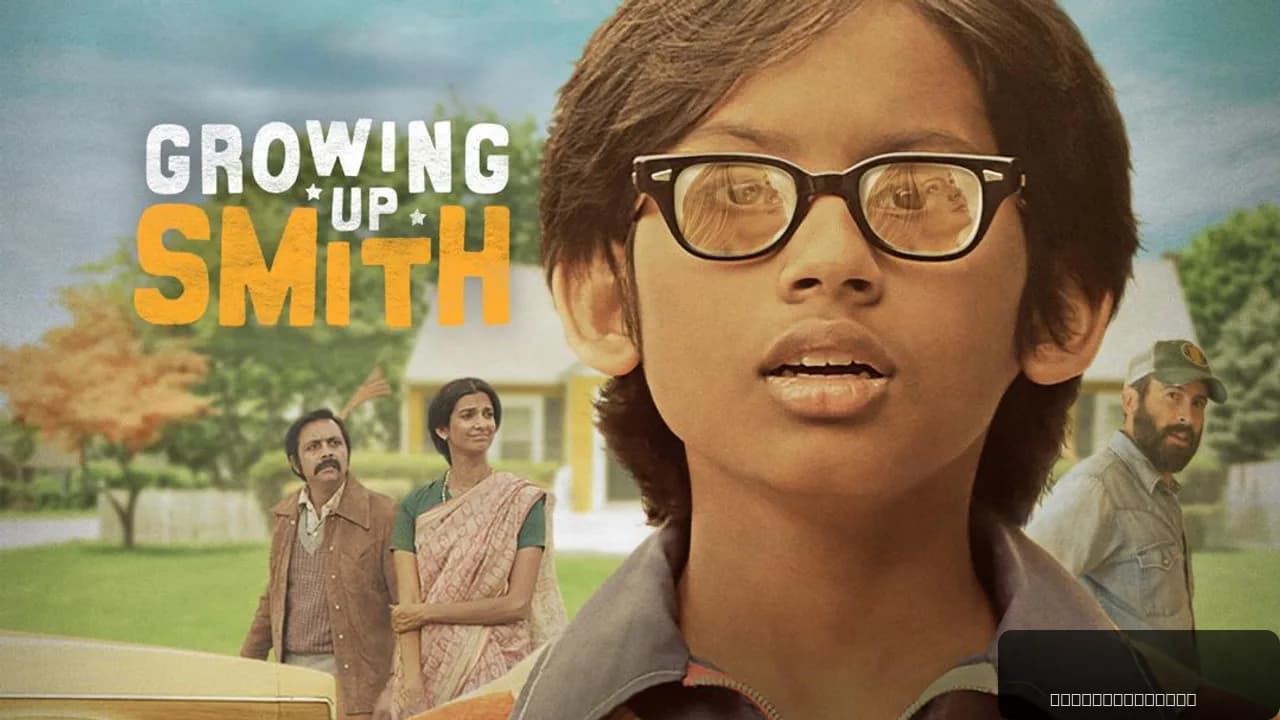


The Story of Growing Up Smith
Growing Up Smith tells the story of what happens when tradition meets MTV. Set in 1979, the film follows an Indian family freshly arrived in the United States, seen primarily through the perspective of their young son. He's navigating the typical minefield of adolescence — first crushes, social acceptance, the usual teenage confusion — but with an added layer of complexity: his father is determined to preserve their Indian heritage even as American culture seeps into every corner of their household. It's a setup that could feel heavy-handed, but the film leans into the comedy and genuine pathos of feeling caught between two worlds. You've got Bollywood values colliding with disco, strict parental expectations colliding with playground friendships, and the quiet desperation of wanting to fit in while your lunch smells "different." That tension is where the film finds its heart.
Behind the Making of Growing Up Smith
Growing Up Smith took an unconventional path to the screen. Originally conceived and exhibited under the working title "Good Ol' Boy," the film was completed back in 2015 but didn't see its wider release until 2017. Director Frank Lotito helmed the project with a screenplay crafted by Anjul Nigam, Paul Quinn, and Gregory Scott Houghton — and notably, Nigam also served as a producer alongside Lotito and Steve Straka, giving the story a level of insider perspective. The cast brings solid credentials to the ensemble: Jason Lee (known for his work in indie comedies and My Name Is Earl), Hilarie Burton Morgan (who'd go on to Grey's Anatomy and The Resident), and Jake Busey round out a supporting cast that grounds the narrative with genuine warmth. Brighton Sharbino and Roni Akurati carry the emotional weight as the young leads, while Poorna Jagannathan and Anjul Nigam anchor the family dynamics. At 102 minutes, the film takes its time — it doesn't rush the small moments that make coming-of-age stories stick with you. On the festival circuit, the film found audiences who connected with its specificity, even if mainstream box office recognition remained modest.
What Makes Growing Up Smith Stand Out
What's striking about Growing Up Smith is how it refuses to play the immigrant story as either tragedy or triumph. Instead, it sits in the messy middle — the place where most people actually live. The film captures something real about the 1979 immigrant experience that doesn't get centered in mainstream cinema nearly enough: the comedy of cultural collision, sure, but also the genuine loneliness of it. There's a scene where the father tries to explain Indian traditions to his son's American friends, and it's simultaneously cringe-worthy and deeply sympathetic. You want him to be cool, but you also understand why he can't be. The performances don't oversell the sentiment, which is maybe the film's greatest strength. Sharbino and Akurati play their parts with the kind of understated authenticity that comes from actually understanding the material — not performing "young" but being it. Lee brings a particular warmth to his role, the kind of grounded presence that makes you believe in the family unit even when everything's falling apart. Critics on Movie OTT and across the streaming-aggregator space have noted that the film works best when it's not trying too hard to be profound, when it's just letting the awkwardness breathe. That's harder than it sounds. The thing nobody mentions is that movies about identity can become didactic real quick, but this one stays personal. It's about one kid, one family, one year — and that specificity is what makes it universal.
Where to Stream Growing Up Smith Online
Growing Up Smith is currently available on Prime Video, making it accessible to anyone with an Amazon subscription. The film plays well on streaming — the intimate, character-driven nature of the story doesn't demand theatrical spectacle, and the 102-minute runtime fits neatly into an evening watch. Since streaming availability shifts across platforms and regions, check the "Where to Watch" widget at the top of this page to confirm current availability in your location. If you're tracking where films like this end up, Movie OTT keeps tabs on catalog changes across all major platforms, so you can set a reminder if it's not currently on your preferred service.
Frequently asked questions
Q: What year is Growing Up Smith set in?
The film takes place in 1979, using the specific cultural touchstones of that era — disco, early television, and the early waves of Indian immigration to America — to ground its story in a particular moment in time.
Q: Who directed Growing Up Smith?
Frank Lotito directed the film from a screenplay written by Anjul Nigam, Paul Quinn, and Gregory Scott Houghton. Nigam also served as a producer, bringing his own perspective to the material.
Q: Is Growing Up Smith based on a true story?
While the film isn't a direct autobiography, it draws heavily on real experiences of Indian-American families navigating cultural identity in the late 1970s. Anjul Nigam's involvement as writer and producer suggests personal resonance with the material.
Q: How long is Growing Up Smith?
The film runs 102 minutes, giving it enough time to develop its characters and relationships without overstaying its welcome.
Q: What's the IMDb rating for Growing Up Smith?
Growing Up Smith holds a 5.8/10 rating on IMDb, reflecting mixed audience reception — some viewers connect deeply with its specificity while others find it uneven in tone.
Who Should Watch Growing Up Smith
Growing Up Smith isn't for everyone, and that's okay. It'll resonate most with people who've felt caught between cultures, who remember the particular awkwardness of adolescence, or who appreciate character-driven comedies that don't need a laugh track to work. Don't go in expecting a feel-good romp or a heavy-handed message about immigration — you'll get something messier and more human than that. If you're looking for representation in coming-of-age stories, this one delivers something genuinely specific. And if you just like watching good actors navigate uncomfortable family dinners, well, there's plenty of that here too.