








The Tense Integration of Halls of Anger High School
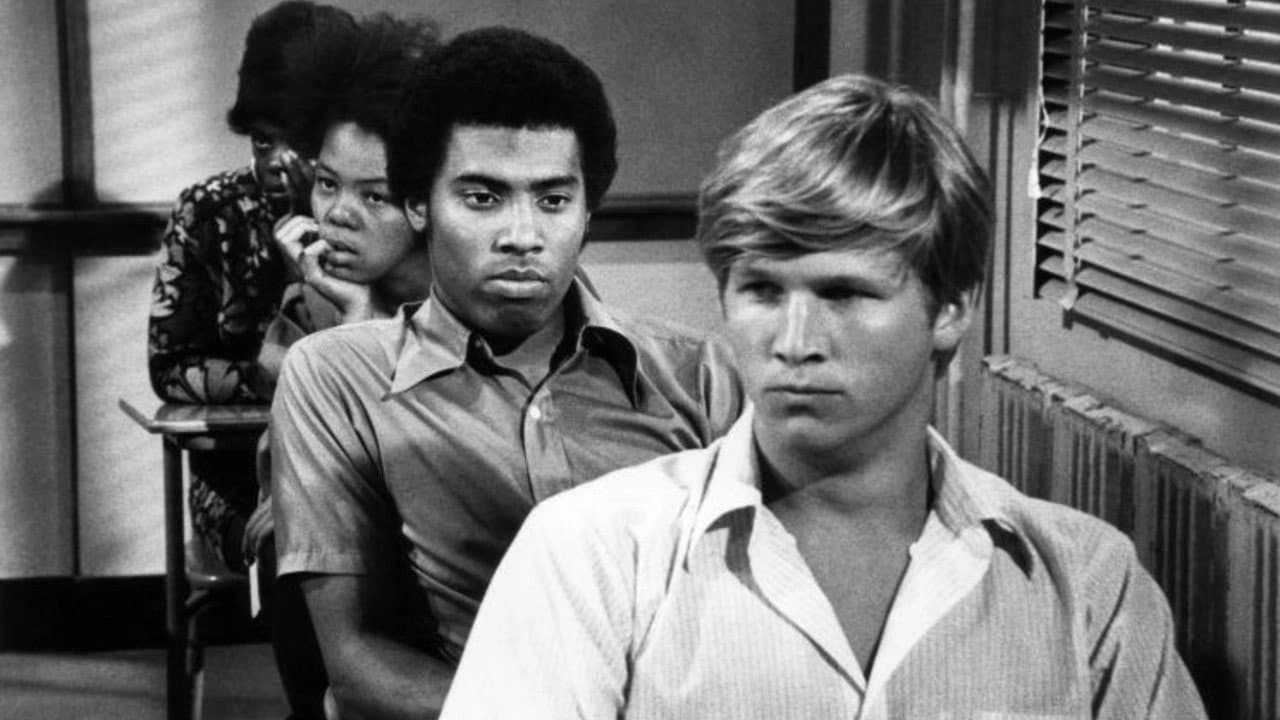
The film "Halls of Anger" plunges viewers into the tumultuous landscape of an inner-city school grappling with a sudden, forced integration. Originally an all-black institution, the school becomes the reluctant host to a few dozen white students, a move that immediately ignites a powder keg of racial animosity. The established black student body, feeling their space invaded and their community challenged, reacts with aggressive opposition, creating an environment of palpable tension and open hostility. It's a challenging premise, one that forces a confrontation with deeply entrenched prejudices and the raw emotions of a community in upheaval. In this volatile atmosphere, the school administration finds itself overwhelmed, its conventional methods failing to quell the burgeoning conflict. Their solution? To bring in a tough, no-nonsense black teacher, hoping his unique approach and lived experience can somehow bridge the chasm of anger and misunderstanding that threatens to tear the school apart. This setup immediately positions "Halls of Anger" not just as a school drama, but as a stark commentary on a nation struggling with its own civil rights legacy.
Production, Cast, and the Historical Context of Halls of Anger
Released in 1970, "Halls of Anger" arrived at a pivotal moment in American history, just a few years after the peak of the Civil Rights Movement, yet still very much in the throes of its societal reverberations. Clocking in at 96 minutes, this drama was a product of The Mirisch Company and United Artists, two entities known for producing a range of films, often tackling socially relevant themes. The film's official tagline – "You've Got 3000 Black Kids, 60 White Kids, And A War Going On." – encapsulated its confrontational spirit and the stark reality it aimed to portray. For a film like this, the casting would have been crucial, likely featuring seasoned character actors capable of conveying the intense emotions and complex motivations of its diverse ensemble. While specific cast names might not jump out today, the strength would have been in their collective ability to embody the anger, fear, and nascent understanding inherent in the narrative. The IMDb rating of 5.286/10 suggests that while it might not have been a critical darling or a box office smash, it still resonated enough to leave an impression, perhaps more for its courage in tackling a difficult subject than for any cinematic polish. It’s a snapshot of a particular time, a film that, for better or worse, reflects the anxieties and divisions of its era.
Dissecting the Themes and Performances in Halls of Anger
What makes "Halls of Anger" a compelling watch, even five decades later, isn't its polished storytelling but its raw, almost documentary-like portrayal of racial conflict. The film doesn't shy away from showing the ugly realities of prejudice and the deep-seated anger bubbling just beneath the surface, painting a picture of a community struggling to reconcile its ideals with its deeply ingrained biases, often leading to moments of raw, uncomfortable truth. Honestly, I keep coming back to the bravery of its subject matter for 1970—a truly audacious move for the era. The performances, particularly from the central teacher character, would have needed to be a delicate balance of authority, empathy, and sheer determination. Imagine a scene where the teacher, exhausted but resolute, stands between two warring factions of students, his voice cutting through the noise, demanding respect even when it seems impossible. It's a tough watch. The craft, from the direction that captures the chaotic energy of a school on edge, to the script's often unvarnished dialogue, serves to amplify the tension. It’s a mirror—albeit a harsh one—of societal unrest, and its unflinching gaze at the challenges of integration makes it a valuable historical artifact. This film, for all its potential flaws, stands as a testament to the difficult conversations America was having, or perhaps, needed to have, about race, education, and social change. We're still having some of those conversations today.
Where to Stream the 1970 Drama Halls of Anger Today
For those looking to revisit this impactful 1970 drama, "Halls of Anger" is currently available across various major OTT services. Finding where to stream it couldn't be easier, thanks to platforms like Movie OTT, which aggregates streaming availability. Simply check the "Where to Watch" widget at the top of this page to see all the platforms where you can access the film right now. Its presence on these services ensures that a new generation of viewers can engage with its potent themes and historical context. Whether you're a film historian, a student of social issues, or simply curious about how integration was portrayed in cinema during that period, accessing "Halls of Anger" is straightforward. Don't miss the opportunity to experience this unique piece of cinematic history.
Frequently asked questions
Q: What is the plot of Halls of Anger?
"Halls of Anger" tells the story of an all-black inner-city school that undergoes forced integration with a few dozen white students. The black students aggressively oppose this change, leading to escalating tensions. A tough black teacher is brought in to try and manage the volatile situation.
Q: When was Halls of Anger released?
The film "Halls of Anger" was released in the year 1970, placing it firmly in an era of significant social change and civil rights discourse in the United States.
Q: Who produced the movie Halls of Anger?
"Halls of Anger" was a collaborative production between The Mirisch Company and United Artists, both prominent names in film production and distribution during that period.
Q: What is the IMDb rating for Halls of Anger?
The IMDb rating for "Halls of Anger" is 5.286 out of 10. This indicates a mixed reception, suggesting it might be a film appreciated more for its historical significance and themes than for universal critical acclaim.
Q: Where can I watch Halls of Anger online?
"Halls of Anger" is currently available for streaming on major OTT services. You can easily find specific platforms by checking the "Where to Watch" widget on this Movie OTT page, which provides up-to-date availability information.
Is Halls of Anger Worth Watching in the Modern Era?
"Halls of Anger" isn't a film designed for comfort; it's designed to provoke thought and reflect a difficult truth. For viewers interested in the social dramas of the early 1970s, particularly those tackling racial integration and the challenges within the education system, this film offers a valuable, if sometimes unsettling, perspective. It's a historical document as much as it is a narrative, showing how raw and immediate these issues felt at the time. While its production values might feel dated to some, its thematic relevance, unfortunately, hasn't faded. If you're keen to understand the cinematic landscape of a pivotal American decade and aren't afraid of a film that confronts difficult truths head-on, then "Halls of Anger" is certainly worth seeking out. For more information on where to find such unique historical dramas, Movie OTT is always your go-to resource.