








What Hamlet 2000 Is About
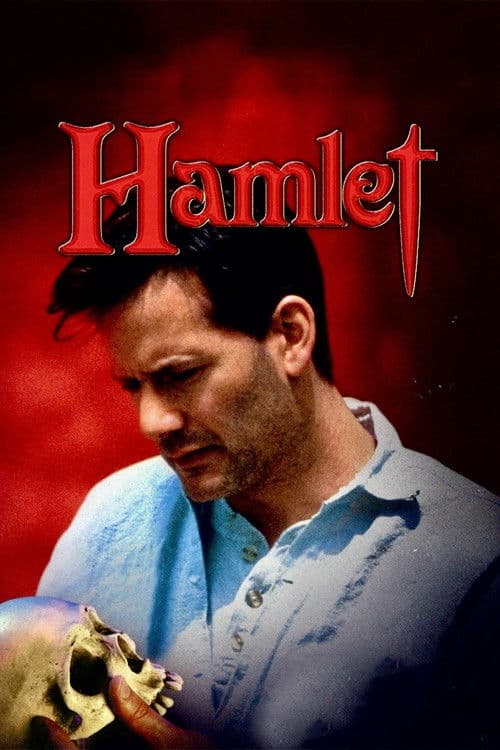
The story of Hamlet reimagines the Danish prince as a 21st-century film student wandering the glass towers and neon streets of Manhattan. When his father—the CEO of a media empire—dies under suspicious circumstances, Hamlet finds himself trapped between grief, paranoia, and the creeping certainty that his uncle Claudius, now running the company, orchestrated the whole thing. He doesn't have a ghost on the ramparts; he has a videotape. He doesn't plot with swords; he plots with a camcorder. What unfolds is a meditation on alienation, performance, and the impossibility of action in a world drowning in mediation and surfaces. It's Shakespeare, but filtered through the anxiety of a young man who'd rather document life than live it.
Behind the Making of Hamlet 2000 and Its Unconventional Vision
Director Michael Almereyda didn't just update the setting—he rewrote the entire language of the play to speak to the digital age, a choice that remains controversial nearly a quarter-century later. Released in 2000 and clocking in at 178 minutes, the film is a product of Hallmark Entertainment and Spare Room Productions, two companies not typically associated with experimental Shakespeare. The ensemble cast reads like a who's-who of 1990s indie and prestige cinema: Ethan Hawke (fresh off Before Sunrise) as Hamlet, Kyle MacLachlan as the smooth, predatory Claudius, Diane Venora as Gertrude, Liev Schreiber as Laertes, Julia Stiles as Ophelia, Steve Zahn as Rosencrantz, Bill Murray as Polonius, and Sam Shepard as the ghost of Hamlet's father. Murray's presence alone signals Almereyda's willingness to play against type—the comedian becomes a bumbling courtier, deadpan and oddly touching. The production took risks that studio films wouldn't dare, and the IMDb rating of 4.4/10 reflects just how divisive those risks turned out to be. Critics and audiences split hard: some saw innovation, others saw desecration.
Why Hamlet 2000 Divides Audiences and What It Gets Right
Here's the thing about Almereyda's version—it's genuinely weird in ways that shouldn't work, and yet some of it does. The decision to have Hamlet process his trauma through filmmaking isn't just clever; it's thematically sound. A character who can't act becomes a character who can only document, only observe, only replay. Hawke's Hamlet is all lanky uncertainty and barely suppressed rage, slouching through corporate offices and his mother's apartment like he's allergic to the world. His scenes with Julia Stiles' Ophelia carry a particular sting because you can feel how much he wants to connect and how thoroughly he can't—he's too busy performing his own breakdown to notice hers. The cinematography by John de Borman treats Manhattan like a character itself, all chrome and shadow, with Hamlet's apartment a shrine to isolation. What critics found pretentious—the video monitors, the contemporary dialogue, the way Gertrude works at a cosmetics company and Claudius literally takes over a media corporation—now reads as genuinely insightful commentary on power, surveillance, and the self. Bill Murray's Polonius is the film's secret weapon; he's neither comic relief nor tragic figure, but something stranger: a man complicit in systems of control he doesn't fully understand, and the pathos creeps up on you. I keep coming back to the moment when Hamlet watches his father's videotaped confession—it's such a specific, modern way to inherit trauma. That said, the film can't escape its own self-consciousness. At 178 minutes, it's long, and not every moment earns its runtime. Some choices feel forced, and the dialogue—while sharp—occasionally substitutes cleverness for emotional truth. But that's partly the point. Almereyda made a film about a character who's always one step removed from genuine feeling, and he made us feel that removal.
Where to Stream Hamlet 2000 Online
Finding Hamlet on streaming platforms used to be a hunt, but the film has gradually found its way onto major OTT services where Shakespeare adaptations cluster alongside prestige drama. Check the Where to Watch widget at the top of this page to see which platforms currently carry it in your region—availability shifts seasonally, and Movie OTT tracks those changes across all major services so you don't have to. If you're a subscriber to the usual suspects, there's a decent chance Hamlet is already accessible to you. The film's 178-minute runtime means you'll want to carve out serious viewing time, so streaming at home makes more sense than hunting for a theatrical release that isn't coming.
Frequently asked questions
Q: Who directed Hamlet 2000?
Michael Almereyda wrote and directed this contemporary adaptation, making it a singular creative vision rather than a committee-designed update. His willingness to reinvent the entire visual and linguistic language of the play is what makes it so polarizing.
Q: Is Hamlet 2000 based on a true story?
No—it's an adaptation of William Shakespeare's Hamlet, the famous tragedy about a prince seeking revenge. Almereyda's version transposes the plot to turn-of-the-century Manhattan but keeps the core story intact.
Q: How long is Hamlet 2000?
The film runs 178 minutes, or just under three hours. That's a substantial commitment, though not unusual for uncut Shakespeare adaptations.
Q: Can I watch Hamlet 2000 with my family?
The film contains mature themes including suicide, grief, and family betrayal. While there's no graphic violence, the psychological intensity and darker subject matter make it better suited for teens and adults than younger children.
Q: What's the IMDb rating for Hamlet 2000?
The film holds a 4.4/10 rating on IMDb, reflecting deeply divided critical and audience opinion. Some viewers find it a bold, visionary update; others see it as pretentious and misguided. Your own take will likely depend on your tolerance for experimental Shakespeare.
Final Thoughts on Hamlet 2000
Almereyda's Hamlet isn't for everyone—that much is clear from the ratings and the passionate arguments it still generates online. But it's for someone, and that someone probably hasn't seen a Shakespeare adaptation quite like this. It's a film about a young man suffocating under the weight of inherited trauma and impossible expectations, and it doesn't flinch from that suffocation. If you're curious about unconventional Shakespeare, or you want to see what a genuinely ambitious filmmaker does when given the freedom to reinvent a 400-year-old tragedy, it's worth the three hours. Movie OTT makes it easy to find where it's streaming right now—grab it, clear your schedule, and prepare for something you won't quite forget, even if you're not entirely sure you liked it.