The story of Hammer: From the docks to the ring
Hammer tells the tale of B.J. Hammer, a tough streetwise dock worker whose life takes a sharp turn when mob connections offer him a path into professional fighting. What starts as an opportunity becomes increasingly complicated as Hammer rises through the ranks, caught between the demands of his handlers, the lure of a championship match, and his feelings for the woman he loves. Director Bruce D. Clark crafts a lean 91-minute narrative that doesn't waste time on exposition — you're thrown into Hammer's world immediately, forced to navigate its moral ambiguities the same way he does. The film's central tension isn't really about boxing at all; it's about whether Hammer can escape the machinery that's been built around him, or whether the very thing that lifted him up will ultimately destroy him.
Behind the making of Hammer and its place in Black cinema
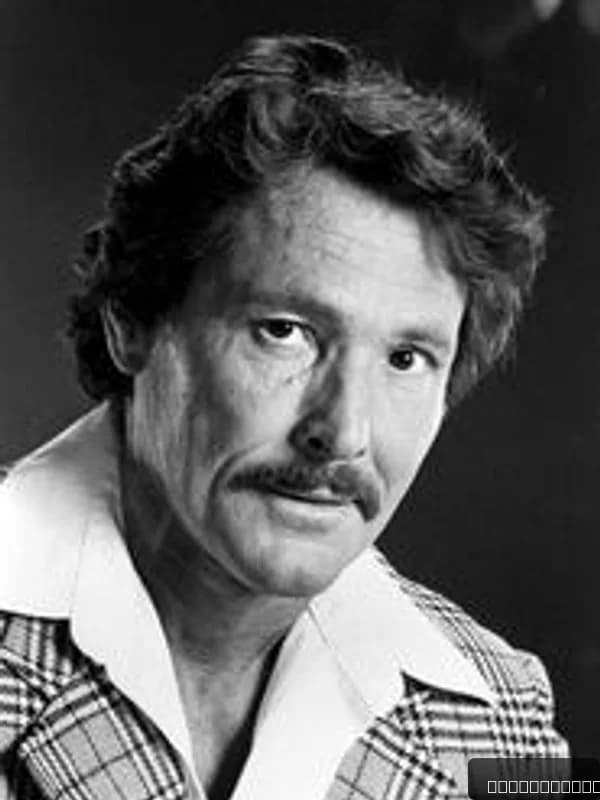
Hammer arrived in 1972 at a crucial moment for Black cinema in America. Following the massive success of Sweet Sweetback's Baadasssss Song and Shaft in 1971, studios suddenly realized there was an audience hungry for films centered on Black protagonists telling their own stories. Director Bruce D. Clark seized the moment with this crime-action hybrid, and the film became a notable entry in the blaxploitation wave that would define the early-to-mid 1970s. Fred Williamson, who'd been working in television and smaller roles, found his breakthrough vehicle here — he'd go on to become a genuine staple of the genre, appearing in dozens of action and exploitation films over the next two decades. The supporting cast brought serious talent too: William Smith as a menacing antagonist, Vonetta McGee as the love interest, and Bernie Hamilton (who'd later gain fame on Mod Squad) in a key role. While Hammer didn't set box office records or win major awards — the IMDb rating sits at 5.3/10, reflecting mixed critical reception — it's the kind of film that's found new appreciation among genre enthusiasts and film historians studying how Black filmmakers and actors carved out space in Hollywood during a transformative era.
What makes Hammer stand out among 1970s action films
What's striking about Hammer is how it refuses to sentimentalize its protagonist. B.J. Hammer isn't a hero in the traditional sense — he's complicit in his own entrapment, making choices that benefit him even when they harm others. Williamson's performance captures this moral murkiness without ever winking at the camera; he plays Hammer as a man who understands the game he's in but believes he can beat the odds anyway. The fight choreography, while not groundbreaking, has a documentary-like quality that feels earned rather than Hollywood-glossy. There's a specificity to how the film captures the spaces Hammer inhabits — the docks, the gyms, the backroom negotiations — that grounds the story in a particular time and place. I keep coming back to the fact that the film doesn't resolve its central conflict in the way you might expect. Hammer makes his choice, and the film lets that choice carry real weight, refusing easy catharsis. The pacing is tight without feeling rushed, and the script trusts its audience to understand the subtext: that for men like Hammer, there often isn't a clean way out. It's not a perfect film by any stretch, but it's got an integrity that a lot of bigger-budget productions from the era lack.
Where to stream Hammer online
If you're ready to watch Hammer, you've got several options depending on your preferred platform. The film is currently available on Amazon Prime Video with Ads and Prime Video, making it accessible to anyone with an Amazon subscription. You can also find it on ScreenPix through the Amazon Channel or Apple TV Channel, or purchase it directly through the Apple TV Store if you'd rather own it outright. Movie OTT keeps track of where films like this are streaming across different services, so if you're not sure where to find it, the Where to Watch widget at the top of this page will show you all the current options in your region. Availability can shift, so it's worth checking before you start searching.
Frequently asked questions
Q: Who directed Hammer and what was his other work?
Bruce D. Clark directed Hammer in 1972. While he wasn't a household name, Clark worked steadily in low-budget action and crime films throughout the 1970s and beyond, developing a knack for efficient storytelling and genre filmmaking.
Q: Is Hammer based on a true story?
No, Hammer is a fictional narrative created specifically for the film. However, it draws on real patterns of how organized crime operated in urban America during the era, and the broader context of professional boxing's connections to criminal enterprises.
Q: What's the runtime of Hammer?
The film runs 91 minutes, making it a lean, fast-paced watch that doesn't overstay its welcome. You can finish it in just over an hour and a half.
Q: Was Fred Williamson in other blaxploitation films after Hammer?
Absolutely. Hammer was Williamson's breakthrough, and he became one of the genre's most prolific stars, appearing in numerous action and exploitation films throughout the 1970s and 1980s. He became known for his cool demeanor and athletic presence on screen.
Q: How does Hammer compare to other 1971-1972 Black action films?
While Shaft and Sweet Sweetback's Baadasssss Song received more critical acclaim and commercial success, Hammer offers a grittier, less glamorous take on the crime-action formula. It's more interested in moral ambiguity than heroics, which gives it a different flavor than its better-known contemporaries.
Final thoughts on Hammer
Hammer isn't going to blow your mind with innovation or technical wizardry. What it does is deliver a solid crime-action story with a lead performance that grounds the whole thing in believable human conflict. If you're interested in 1970s cinema, Black filmmaking history, or just want to see where Fred Williamson got his start, it's worth your time. The film holds up better than its IMDb rating might suggest — it's the kind of movie that rewards viewers who come to it on its own terms rather than expecting something it never claimed to be. Stream it, appreciate the era it captures, and understand why this moment in film history still matters.