




The story of Rumble Fish and its portrait of fractured brotherhood
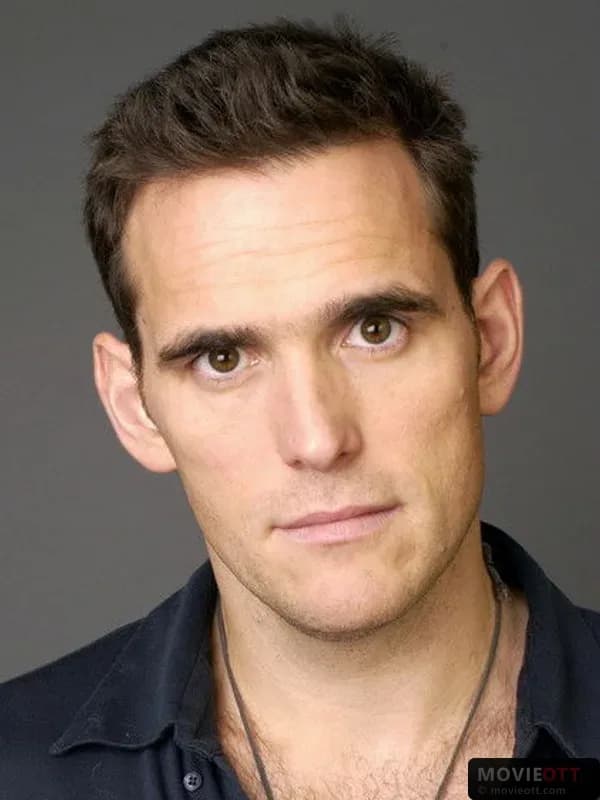
Rumble Fish tells the story of a restless teenager caught between admiration and disillusionment. Rusty James, played by a young Matt Dillon, is a street-level delinquent who's spent months romanticizing his absent older brother—a figure so legendary in Tulsa's gang underworld that he's become almost mythical. When that brother finally returns, Rusty expects vindication, a return to the glory days of rumbling and territory wars. Instead, he finds someone transformed, someone who's left that world behind. The film tracks their collision across the city's worn neighborhoods, a journey that's less about action and more about the quiet devastation of growing up and realizing your heroes aren't what you thought they were. It's a story about lost souls wandering, about the Midwest as a character itself—flat, unforgiving, trapped in its own mythology.
Behind the making of Rumble Fish and its pedigree cast
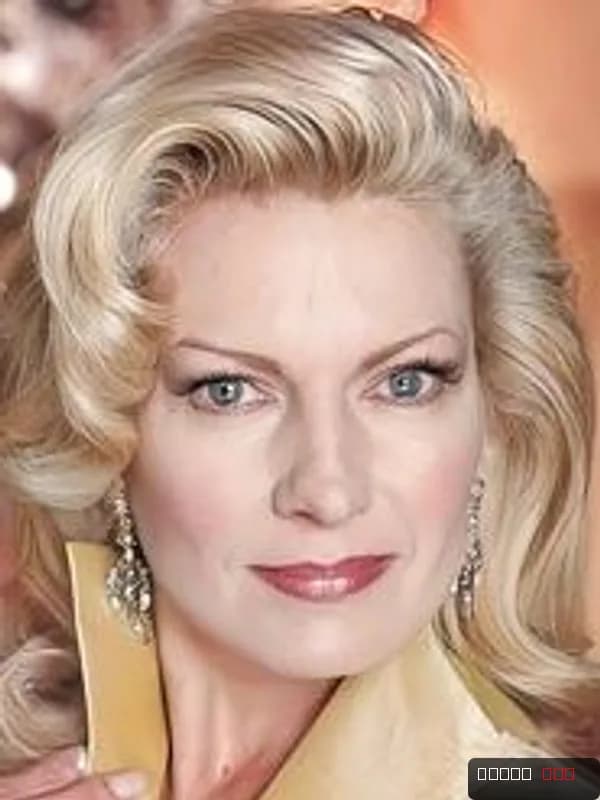
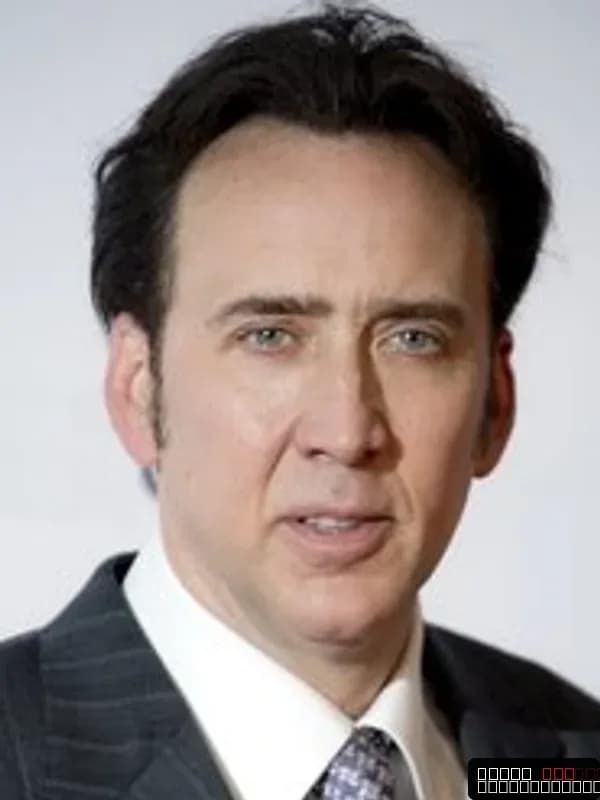
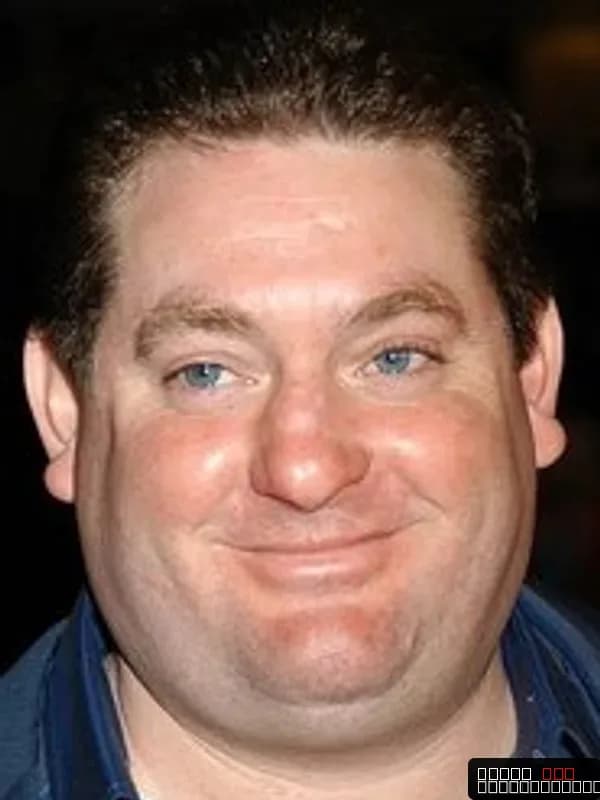
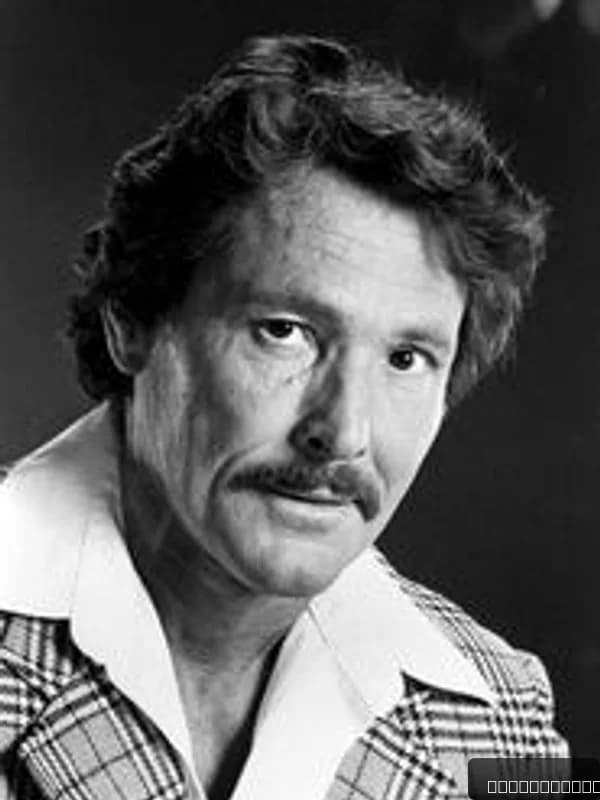
Francis Ford Coppola directed Rumble Fish in 1983, adapting S.E. Hinton's 1975 novel alongside Hinton herself, who co-wrote the screenplay. This wasn't Coppola's first collaboration with Hinton—he'd already brought The Outsiders to the screen two years earlier, and Rumble Fish became his companion piece, a darker, more experimental follow-up. The cast reads like a who's who of rising talent and established names: Mickey Rourke as the Motorcycle Boy, Vincent Spano as Rusty's friend Steve, Diane Lane in a supporting role, and Nicolas Cage and Laurence Fishburne in smaller but memorable parts. Dennis Hopper appears as Rusty's father, adding gravitas to a film that could've been a simple youth drama but became something far stranger and more ambitious.
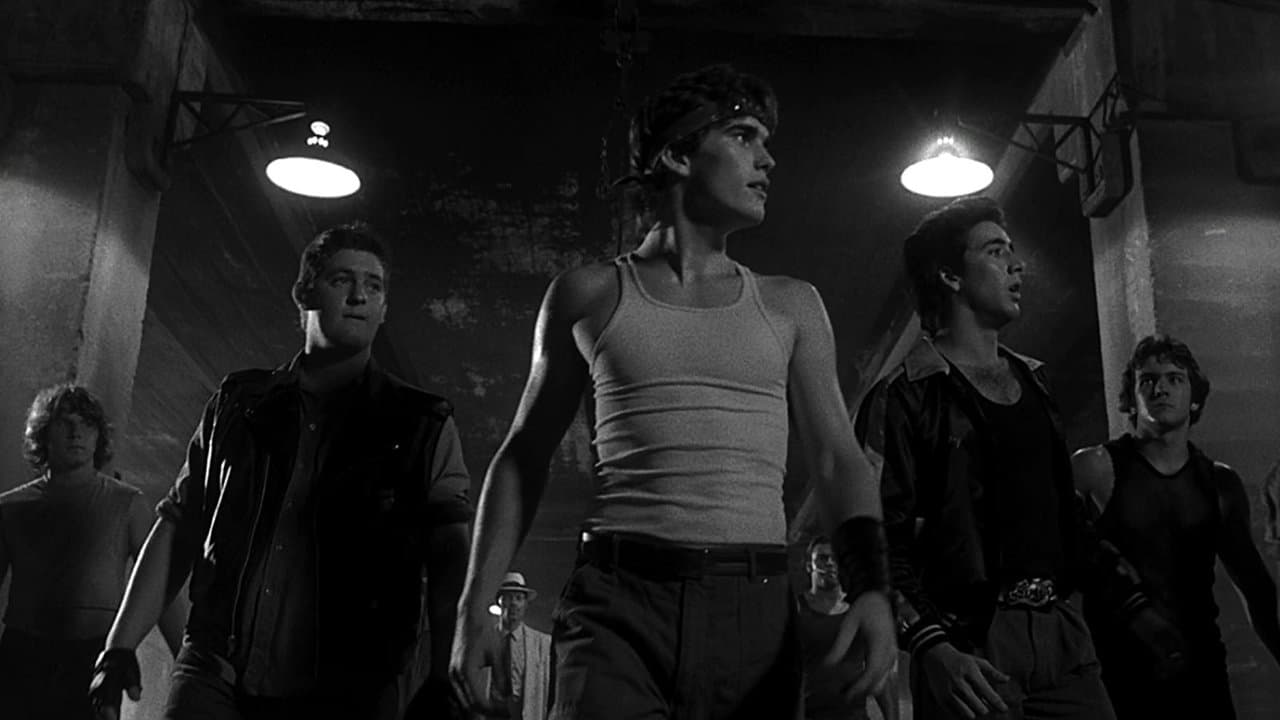
The film was shot in black and white and color sequences, a stylistic choice that underscores Coppola's intent to make something visually unconventional. At 94 minutes, it's a lean, purposeful piece—no fat, all bone. The production came from American Zoetrope and Hotweather Films, Coppola's own company, giving him the freedom to experiment. While the film didn't set box offices on fire, it earned respect from critics and has developed a cult following over decades. It's the kind of movie that film students and enthusiasts track down on Movie OTT and other streaming platforms, because it refuses to be forgotten.
What makes Rumble Fish stand out as a visual and emotional achievement
What's striking about Rumble Fish is how it looks and feels—not like a typical teen crime drama, but like a fever dream shot through with genuine melancholy. Coppola uses the black-and-white cinematography to create a world that's both timeless and specifically 1980s, which sounds contradictory, but that's exactly what the film achieves. The performances anchor everything. Dillon's Rusty James isn't a typical movie protagonist; he's aimless, thoughtless, sometimes infuriating—and that's precisely why he works. Rourke, in a quieter role than you'd expect, carries an entire philosophy in his silences. There's a scene where the brothers sit together and barely speak, and you feel the weight of everything unsaid between them. That's the real drama here—not fistfights or police chases, but the unbridgeable gap between who we want to be and who we actually are.
The film doesn't shy away from its literary roots. Hinton's novel was already introspective, and Coppola leans into that introspection rather than fighting it. The rumble fish themselves—those aggressive fish that fight their own reflections—become a metaphor for the characters' self-destructive cycles. You can't escape yourself, the film seems to say. You can't outrun your past or your family or your own nature. It's a bleak vision dressed up in stylish cinematography, and it works because Coppola commits to both the form and the feeling. The supporting cast—Scarwid, Spano, Hopper—all inhabit their roles with a kind of lived-in authenticity that elevates the whole endeavor.
Where to stream Rumble Fish online
Rumble Fish is currently available on major OTT services, and tracking down exactly where it's streaming at any given moment is what Movie OTT does best. The "Where to Watch" widget at the top of this page will show you all the platforms currently carrying the film, whether that's Netflix, Prime Video, or other services in your region. Streaming availability shifts regularly, so it's worth checking that widget before you settle in—but the good news is that Rumble Fish hasn't disappeared into the vault. It's out there, waiting to be rediscovered by anyone curious about what Coppola was doing in the early '80s or anyone who wants to see Mickey Rourke and Matt Dillon at pivotal moments in their careers.
Frequently asked questions
Q: Who directed Rumble Fish?
Francis Ford Coppola directed Rumble Fish in 1983. He also co-wrote the screenplay with S.E. Hinton, the author of the original novel, making it a genuine collaboration between a major filmmaker and the source material's creator.
Q: Is Rumble Fish based on a book?
Yes—it's based on S.E. Hinton's 1975 novel of the same name. Hinton wrote the novel as a young author and later worked with Coppola on the screenplay, giving her significant input into how her story reached the screen.
Q: How long is Rumble Fish?
The film runs 94 minutes, making it a lean, focused piece that doesn't overstay its welcome. It's short enough to watch in one sitting but dense enough to stick with you afterward.
Q: What's the IMDb rating for Rumble Fish?
Rumble Fish holds a 6.98/10 rating on IMDb, reflecting a respectable but not overwhelming critical consensus. It's the kind of film that divides viewers—some find it brilliant and ahead of its time, others find it slow and self-indulgent.
Q: What genres does Rumble Fish fall into?
The film is classified as Crime, Drama, and Romance, though honestly, it's more interested in mood and character than in any of those genres' conventional payoffs. It's a crime film without much crime, a romance without much romance—it's Coppola doing his own thing.
Final thoughts on Rumble Fish and who should watch it
Rumble Fish isn't for everyone. It's deliberately paced, visually unconventional, and more interested in existential drift than plot mechanics. But if you're drawn to character studies, if you care about cinematography and style, if you want to see young actors at the height of their powers inhabiting complicated roles—then it's absolutely worth your time. The film's tagline says it all: "Rusty James can't live up to his brother's reputation. His brother can't live it down." That's the trap. That's the whole film. And it's still relevant.