The story of The Godfather Part II
The Godfather Part II is both a sequel and a prequel—a narrative gambit that shouldn't work, but does with stunning precision. The film splits its attention between two timelines and two men. In the present, Al Pacino's Michael Corleone sits at the helm of the family business, having inherited his father's empire in the original film. He's older now, colder, and wrestling with threats from within and without. The other half of the story rewinds decades to follow his father, Vito Corleone, from his childhood in Sicily through his arrival in New York and the methodical construction of the criminal organization that would define generations. What makes this structure work isn't just novelty—it's that both stories ask the same question: what does it cost to build a dynasty? Director Francis Ford Coppola and co-writer Mario Puzo don't just answer that question. They let you feel it.
Behind the making of The Godfather Part II
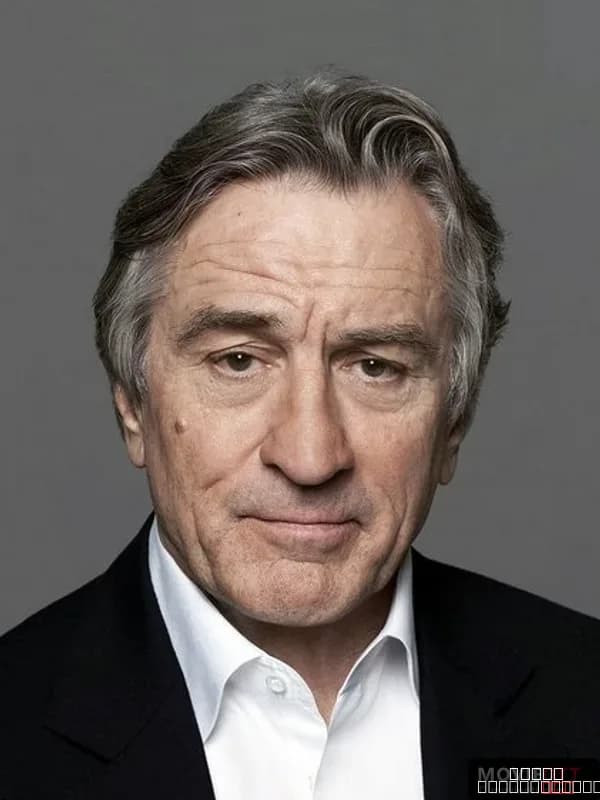
The Godfather Part II arrived in 1974, just two years after the original film's staggering success, yet it never feels rushed. Coppola and Puzo, who co-wrote the screenplay, drew from Puzo's original 1969 novel to craft new material for Vito's origin story—a sequence that wasn't in the source material but became the film's emotional anchor. The production was a high-wire act: cast a young Robert De Niro to play the young Vito Corleone and hope audiences would accept him as a predecessor to Marlon Brando's iconic performance. They did. More than that, De Niro's quiet, deliberate portrayal became its own masterpiece, winning him the Academy Award for Best Supporting Actor and making him a major star overnight.
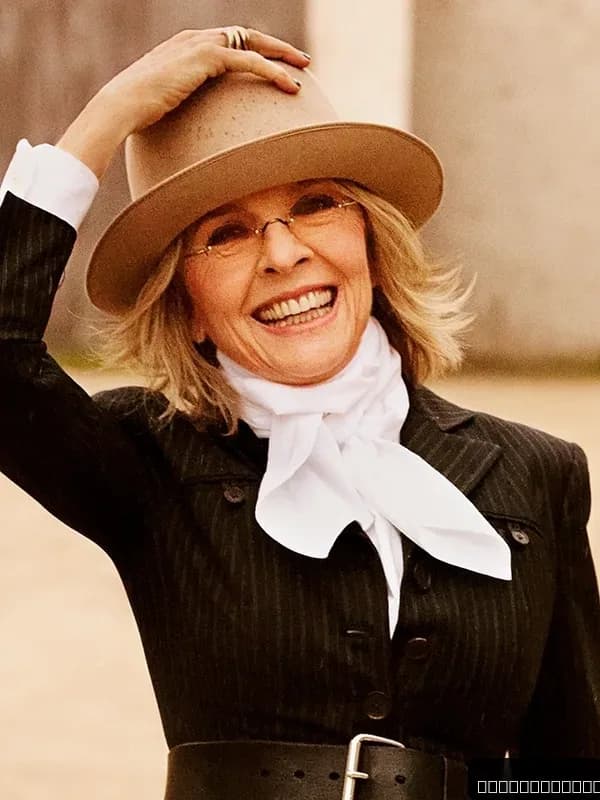
The ensemble cast—including Robert Duvall, Diane Keaton, Talia Shire, John Cazale, and the formidable Lee Strasberg as the duplicitous Hyman Roth—was assembled with care. Cazale, in particular, delivers one of cinema's most heartbreaking performances as Michael's younger brother Fredo, a man caught between loyalty and resentment. At 200 minutes, the film's runtime could've been a liability. Instead, Coppola uses every frame. The film won six Academy Awards at the 1975 ceremony, including Best Picture, Best Director, Best Supporting Actor (De Niro), and Best Adapted Screenplay. It holds an 8.6 rating on IMDb, a score that reflects not just critical consensus but genuine audience reverence.
What makes The Godfather Part II stand out
Here's the thing nobody mentions enough: The Godfather Part II is actually more philosophically sophisticated than the original. Where the first film thrilled us with violence and betrayal, the second film meditates on power itself—how it's acquired, inherited, corrupted, and defended. Michael's storyline unfolds with an almost tragic inevitability. He's trying to legitimize the family business, to move into casinos and real estate, to become respectable. But every attempt to go legit pulls him deeper into the criminal underworld. His partnership with Hyman Roth (Lee Strasberg in a performance of coiled menace) in Cuba becomes a masterclass in how trust evaporates in the world of organized crime.
Meanwhile, Vito's story—told largely without dialogue, relying instead on gesture and implication—shows us a man who stumbled into crime not from ambition but from necessity. He's protecting his community, settling scores, building something that looks almost honorable in its way. The parallel is devastating: Vito became a crime boss almost by accident, while Michael, born into it, can't escape it no matter how hard he tries. I keep coming back to the scene where Michael sits in a Cuban nightclub, watching his world collapse in real time. No explosions. No dramatic monologue. Just the slow recognition that he's been outmaneuvered. That's the film's genius—it trusts the audience to feel the weight of consequence without spelling it out.
The performances anchor everything. Pacino's Michael has become even more inscrutable than before, his face a mask that occasionally cracks to reveal the man beneath. Keaton's Kay watches her husband's transformation with dawning horror. De Niro's Vito moves through his scenes with a quiet authority that makes you understand why people follow him. Cazale's Fredo is heartbreaking—a man who loves his brother but can't help resenting him, a weakness that becomes tragic. These aren't showy performances. They're the kind that reveal themselves on repeated viewings.
Where to stream The Godfather Part II online
The Godfather Part II is currently available on Prime Video, where you can stream it in its full 200-minute glory. Since this is a film that demands attention—the kind of movie where you'll want to catch every glance, every line of dialogue—watching it on a platform where you control the pace makes sense. The "Where to Watch" widget at the top of this page will show you the current availability across all streaming services, but Prime Video remains the most reliable home for this masterpiece. Movie OTT tracks streaming availability across multiple platforms, so if you're hunting for a title, checking what's currently live on each service saves time and frustration.
Frequently asked questions
Q: Is The Godfather Part II better than the original Godfather film?
That's the eternal debate among film fans. Many critics and audiences consider The Godfather Part II equal to or superior to the first film, praising its narrative ambition and emotional depth. Both are masterpieces, but they're asking different questions—the original is about power's allure, the sequel about its cost.
Q: Who directed The Godfather Part II?
Francis Ford Coppola directed the film and co-wrote the screenplay with Mario Puzo. Coppola's vision transformed Puzo's novel into a dual narrative that works as both sequel and prequel, a structural innovation that won him the Academy Award for Best Director.
Q: Is The Godfather Part II based on a true story?
The film is based on Mario Puzo's 1969 novel The Godfather, which drew inspiration from real organized crime figures and events but is a work of fiction. Puzo and Coppola created original material for Vito's origin story that wasn't in the novel.
Q: How long is The Godfather Part II?
The film runs 200 minutes (3 hours and 20 minutes), making it an epic in scope. Coppola uses the runtime deliberately, allowing scenes to breathe and characters' internal struggles to unfold without rush.
Q: What awards did The Godfather Part II win?
The film won six Academy Awards in 1975, including Best Picture, Best Director, Best Supporting Actor (Robert De Niro), and Best Adapted Screenplay. It remains one of the most decorated films in Oscar history.
Final thoughts on The Godfather Part II
The Godfather Part II isn't just a great sequel—it's a film that expanded what cinema could do with narrative structure and thematic depth. Watching it now, over 50 years later, it hasn't aged a day. The cinematography still stuns. The performances still cut deep. And the question it asks—about power, family, and the price of ambition—still matters. If you've never seen it, it's essential viewing. If you have, it's worth revisiting. That's the mark of a true masterpiece.