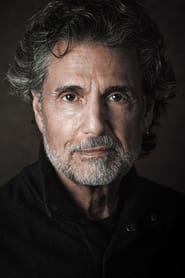
Actor & Director
Dennis Hopper
34 films on Movie OTT · 4 as director · Active 1967–2010
Dennis Hopper was born on May 17, 1936, in Dodge City, Kansas, a detail that carries a certain poetic weight given how much of his career would be spent in the American West — both literally and as a state of mind. He came up through the studio system in the 1950s, studying under the influence of Method acting and earning early television and film credits before establishing himself as one of the most unpredictable and genuinely dangerous presences American cinema has ever produced. He is perhaps best known in two distinct registers: as a director who cracked open the New Hollywood era, and as a character actor whose volatility made him impossible to look away from regardless of the size of the role.
About Dennis Hopper
Dennis Hopper was born on May 17, 1936, in Dodge City, Kansas, a detail that carries a certain poetic weight given how much of his career would be spent in the American West — both literally and as a state of mind. He came up through the studio system in the 1950s, studying under the influence of Method acting and earning early television and film credits before establishing himself as one of the most unpredictable and genuinely dangerous presences American cinema has ever produced. He is perhaps best known in two distinct registers: as a director who cracked open the New Hollywood era, and as a character actor whose volatility made him impossible to look away from regardless of the size of the role.
His directorial debut, Easy Rider, released in 1969, rewrote the rules of what an American film could cost, look like, and say. Co-written with Peter Fonda and Terry Southern, the film followed two bikers riding from Los Angeles to New Orleans and arrived as a cultural detonation rather than a simple road movie. It was made outside the studio system for roughly $400,000 and earned somewhere in the range of $60 million worldwide, a return that forced every major studio to reconsider who should be allowed to make films and about what. That same year, Hopper appeared in True Grit, the Henry Hathaway western starring John Wayne, where even in a supporting capacity he demonstrated the coiled, slightly unhinged energy that would define his screen presence across decades. True Grit: A Timeless Western Classic remains a significant marker in his filmography — a reminder that even as he was dismantling Hollywood conventions from one angle, he was still working inside the genre machinery from another.
The actors and directors Hopper gravitated toward tended to share a taste for moral ambiguity and visual experimentation. His collaborations extended across generations — from working alongside James Dean in Rebel Without a Cause and Giant in the mid-1950s, to later partnerships with directors like Francis Ford Coppola, David Lynch, and Wim Wenders. It is the Wenders connection that produced some of his most quietly devastating work. In The American Friend, the 1977 German thriller adapted from Patricia Highsmith's novel Ripley's Game, Hopper plays Tom Ripley with a loose, American nonchalance that cuts against the European formalism surrounding him. The film is a study in manipulation and moral erosion, and Hopper carries it with a kind of casual menace that feels entirely his own. The American Friend sits somewhat apart from the louder chapters of his career, but it holds up as evidence of his range — a performance built on understatement rather than explosion.
The 1980s brought a period of genuine commercial resurgence. His turn as Frank Booth in Blue Velvet in 1986 shocked audiences back into attention and reminded the industry that Hopper at full intensity was something few actors could match or imitate. Roles in Hoosiers that same year showed he could anchor a mainstream drama with equal conviction. He continued working at volume through the 1990s and into the 2000s, taking parts in blockbusters like Speed alongside smaller, more character-driven projects, building a body of work that is deliberately uneven — some of it opportunistic, some of it genuinely surprising.
Taken together, his filmography describes an artist who resisted easy categorization at nearly every turn. The arc from True Grit: A Timeless Western Classic through The American Friend and beyond is not a straight line — it is a series of deliberate swerves, each one reflecting a performer who seemed constitutionally unable to settle into formula. His influence on American independent cinema is structural rather than merely stylistic; the freedoms that later generations of filmmakers took for granted were, in part, freedoms he helped force open. Dennis Hopper died on May 29, 2010, in Venice, California, leaving behind a filmography that continues to reward serious attention.
Currently streaming
13 of 34 on platformsFilmography

Alpha and Omega
2010 · Cast
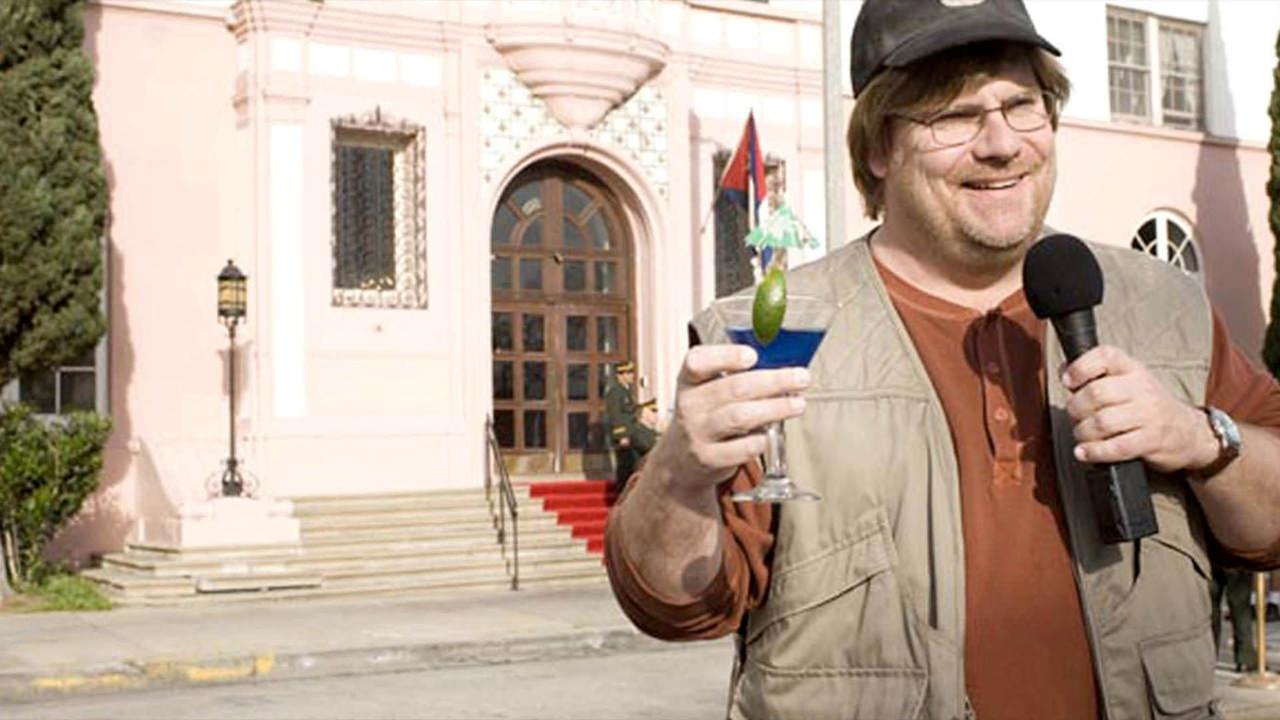
An American Carol
2008 · Judge Clarence Henderson
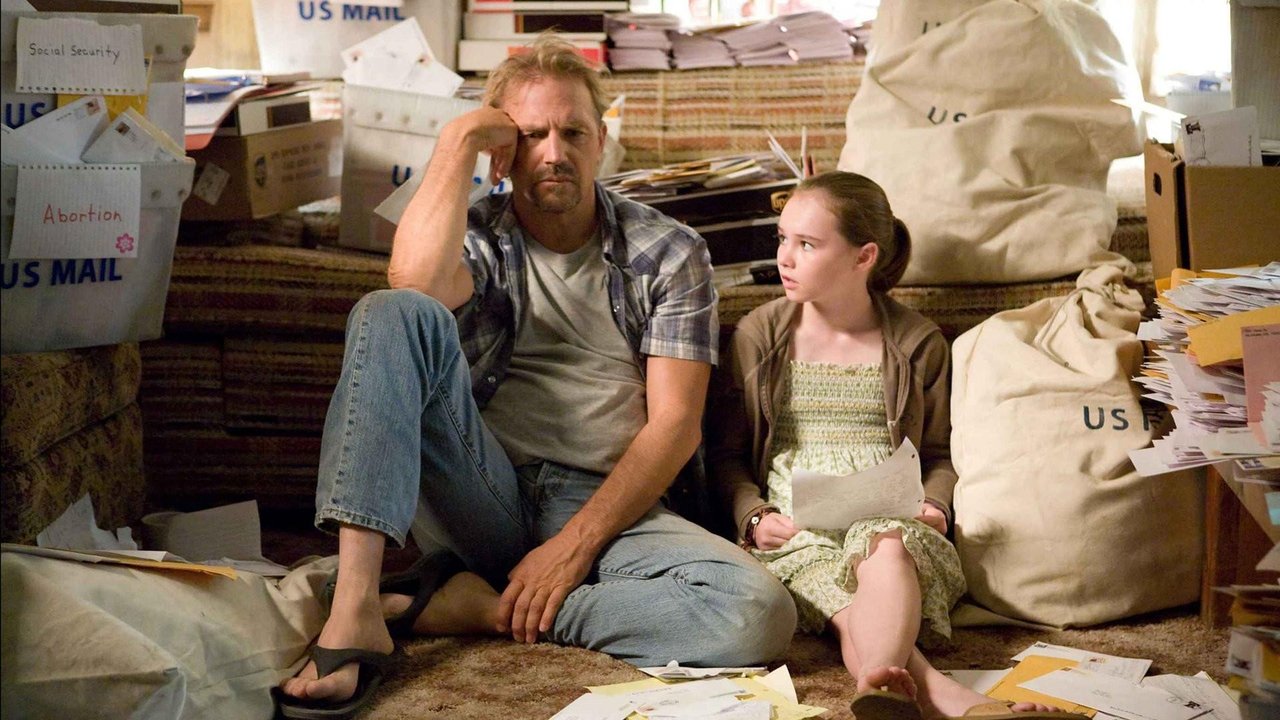
Swing Vote
2008 · Donald Greenleaf
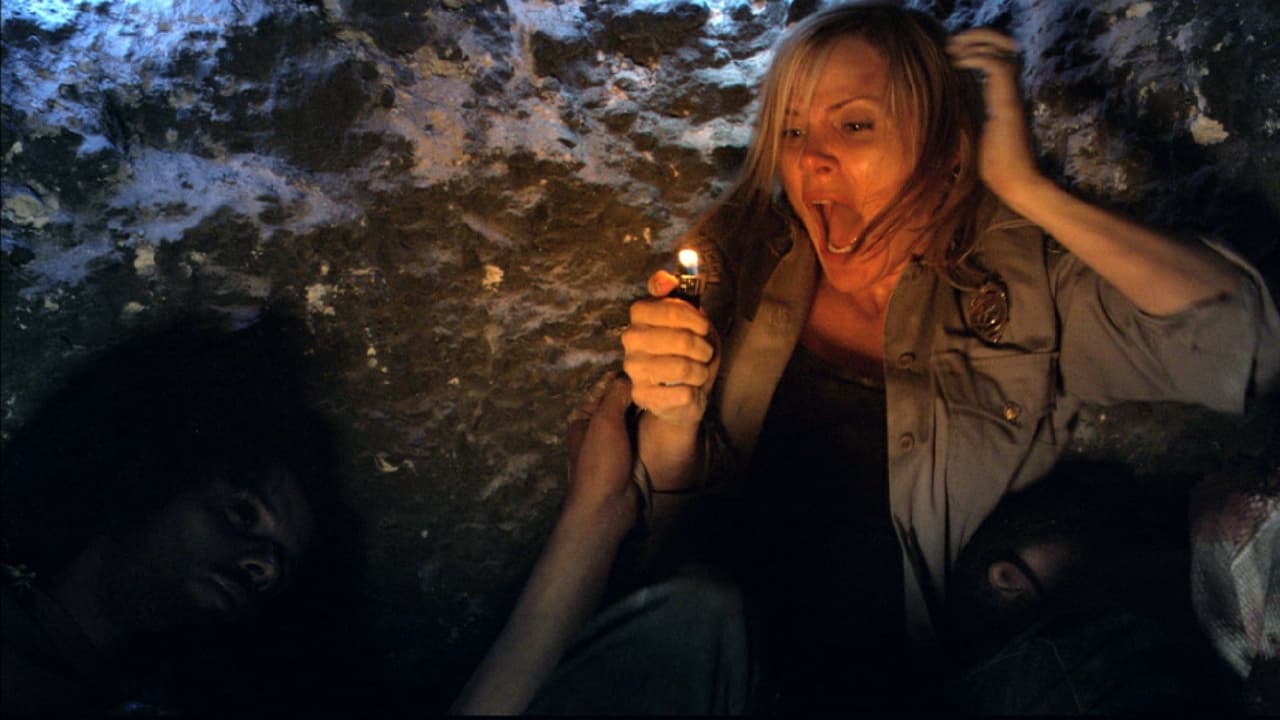
Hoboken Hollow
2006 · Sheriff Greer
Inside Deep Throat
2005 · Narrator (voice)

Unspeakable
2003 · Warden

Knockaround Guys
2001 · Benny Chains

Jesus' Son
2000 · Bill

Luck of the Draw
2000 · Giani Ponti

EDtv
1999 · Henry 'Hank' Pekurny
The Blackout
1997 · Mickey
Road Ends
1997 · Sheriff Ben Gilchrist

Space Truckers
1996 · John Canyon
Carried Away
1996 · Joseph Svenden
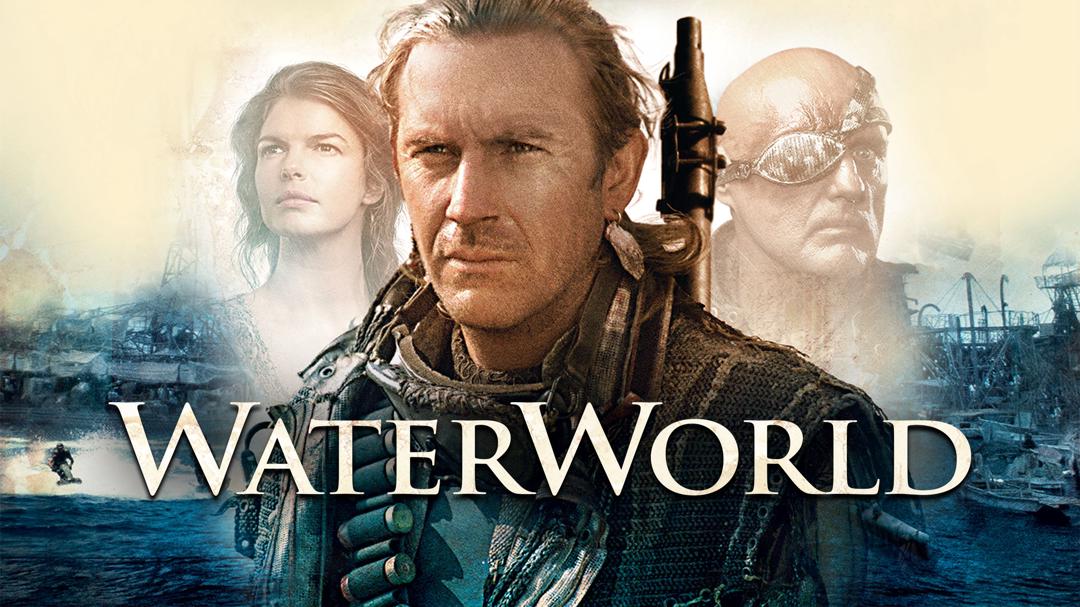
Waterworld
1995 · Cast
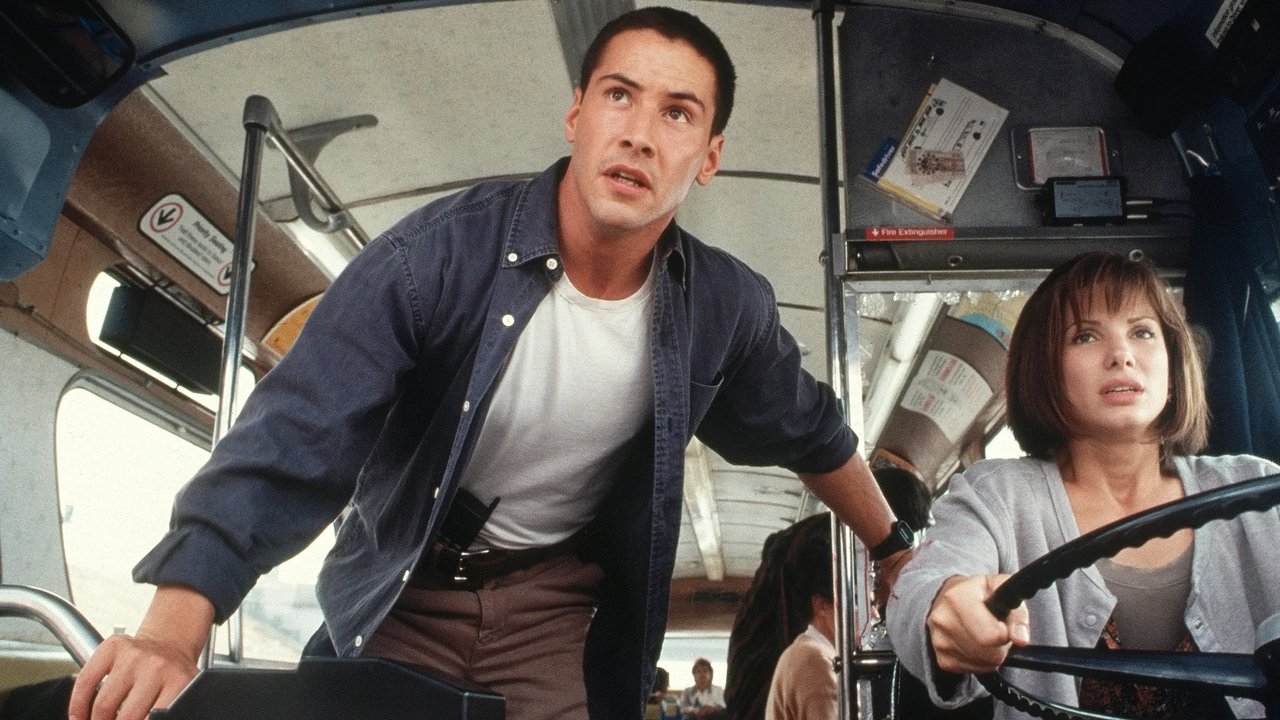
Speed
1994 · Howard Payne
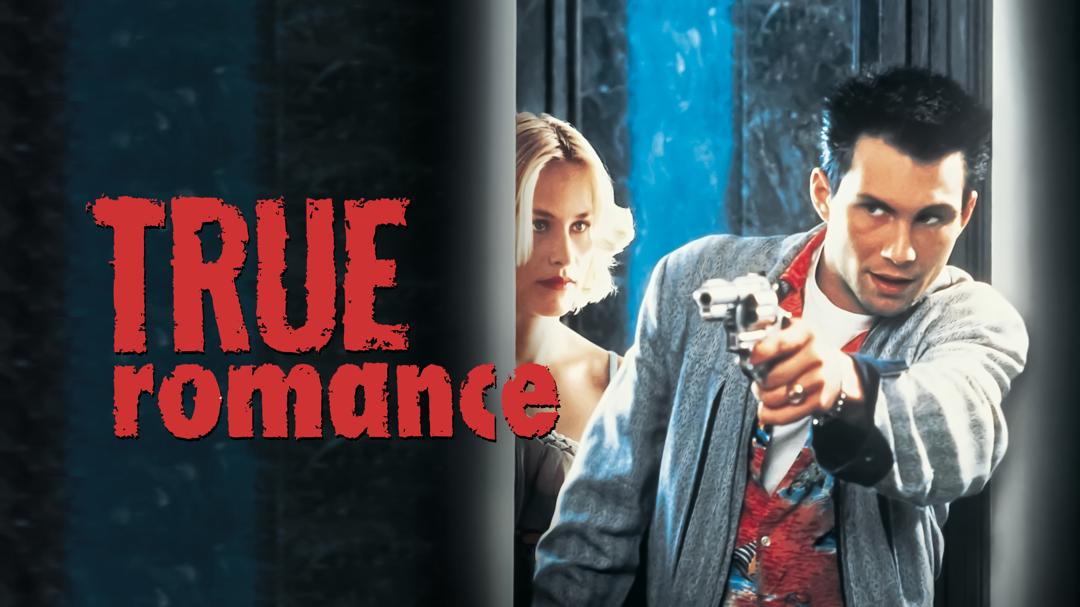
True Romance
1993 · Cast
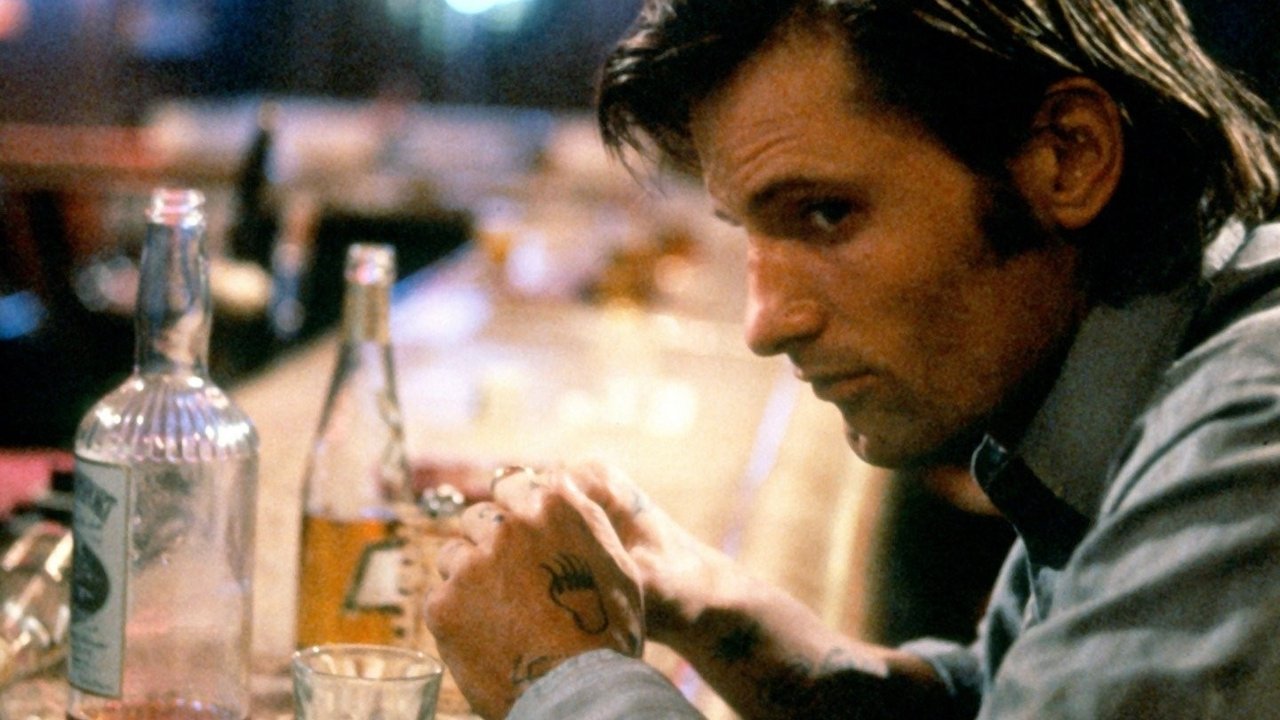
The Indian Runner
1991 · Caesar

Catchfire
1990 · Cast, Director
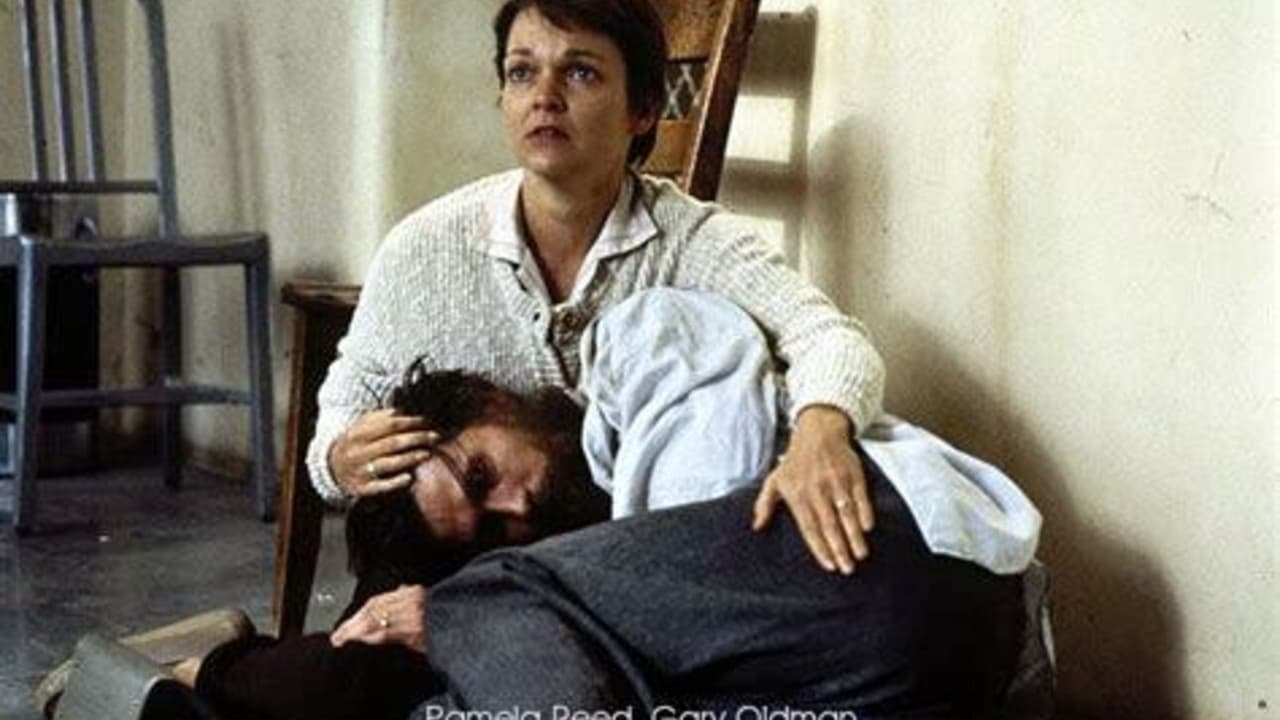
Chattahoochee
1990 · Walker Benson
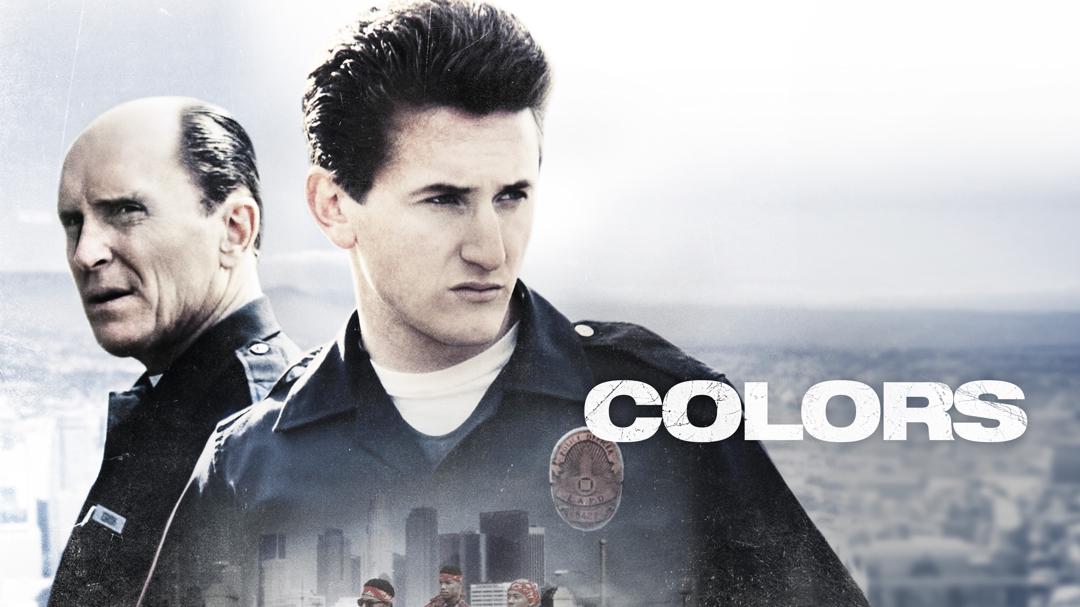
Colors
1988 · Director
Colors
1988 · Director
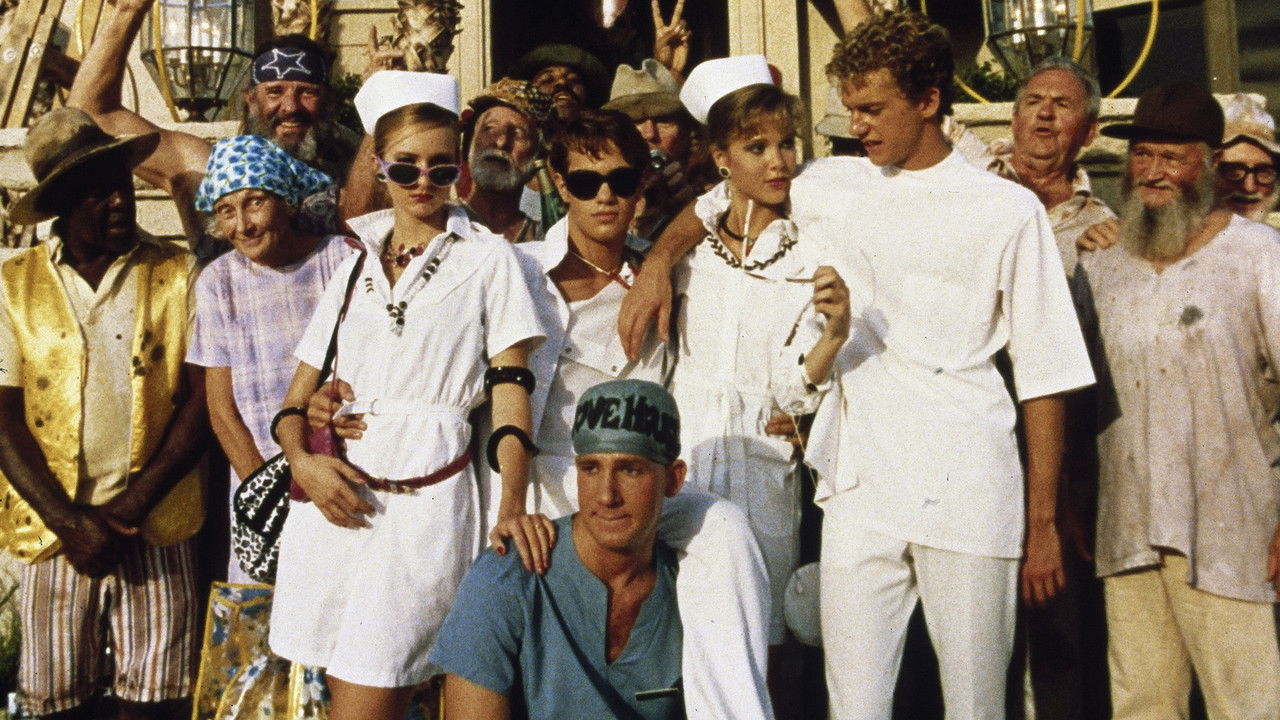
O.C. and Stiggs
1987 · Sponson

Hoosiers
1986 · Cast
The Texas Chainsaw Massacre 2
1986 · Cast

Blue Velvet
1986 · Cast
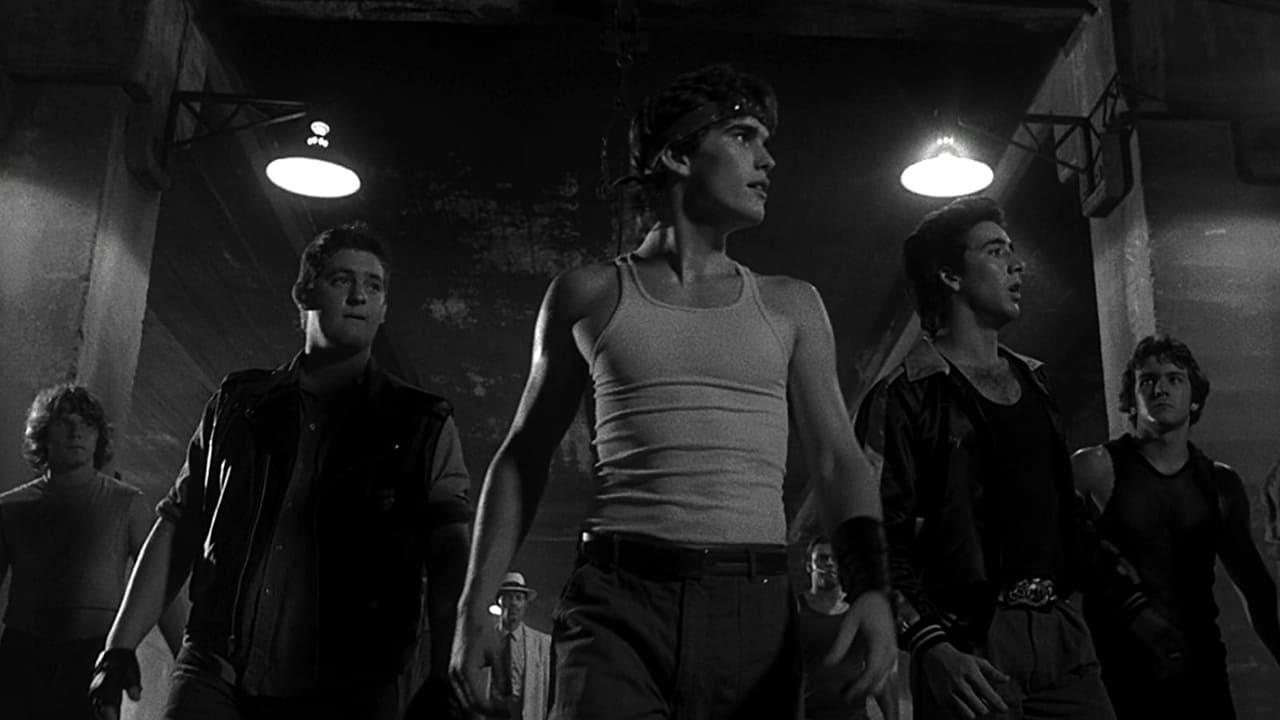
Rumble Fish
1983 · Father
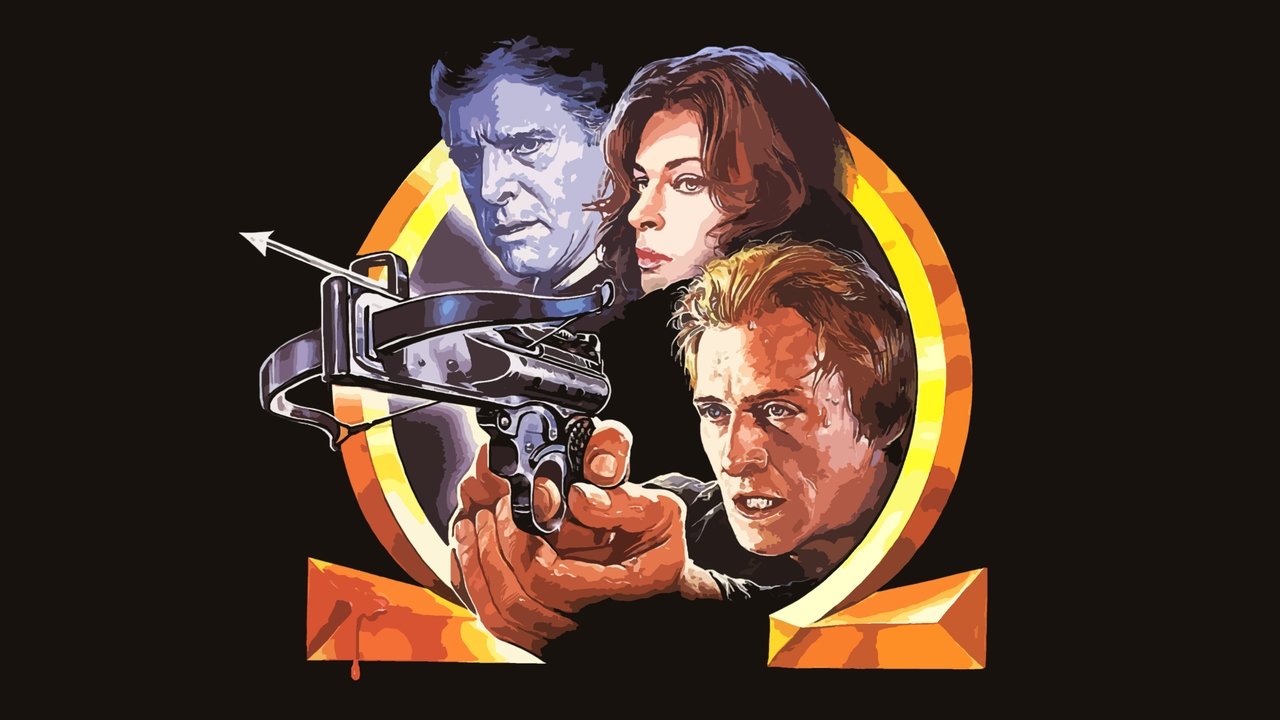
The Osterman Weekend
1983 · Richard Tremayne
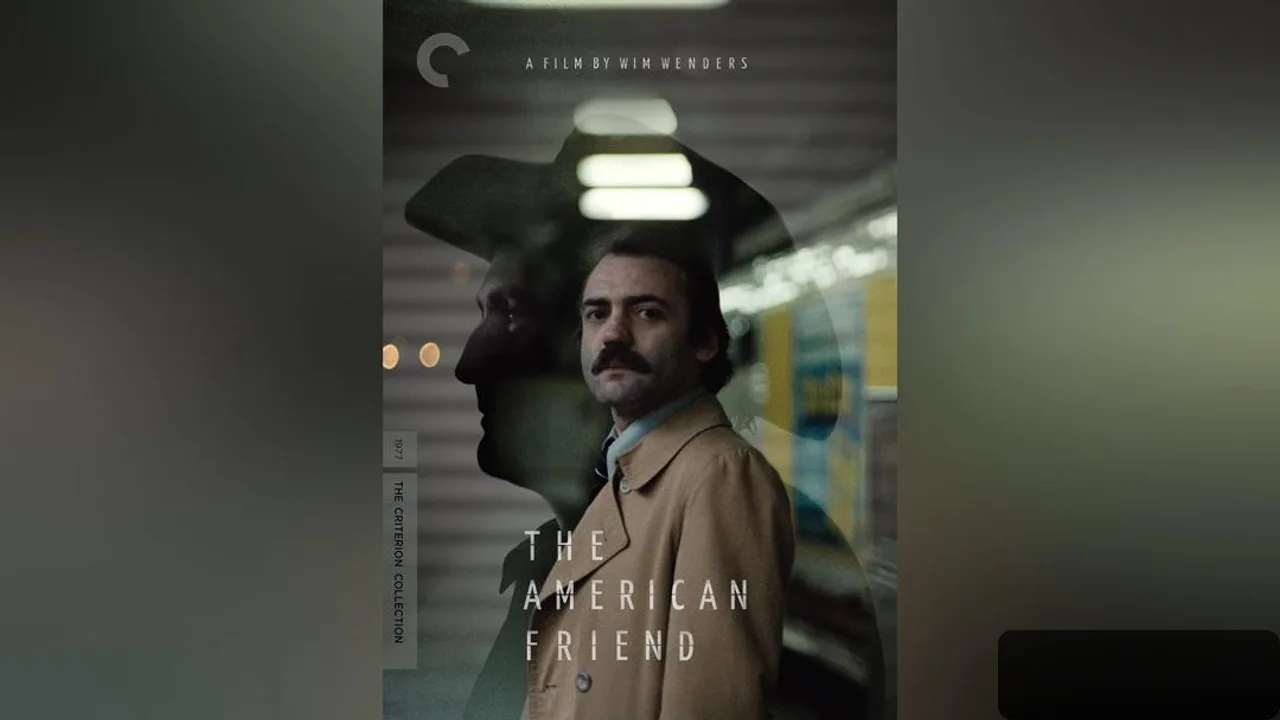
The American Friend
1977 · Cast
The Sky is Falling
1975 · Cast
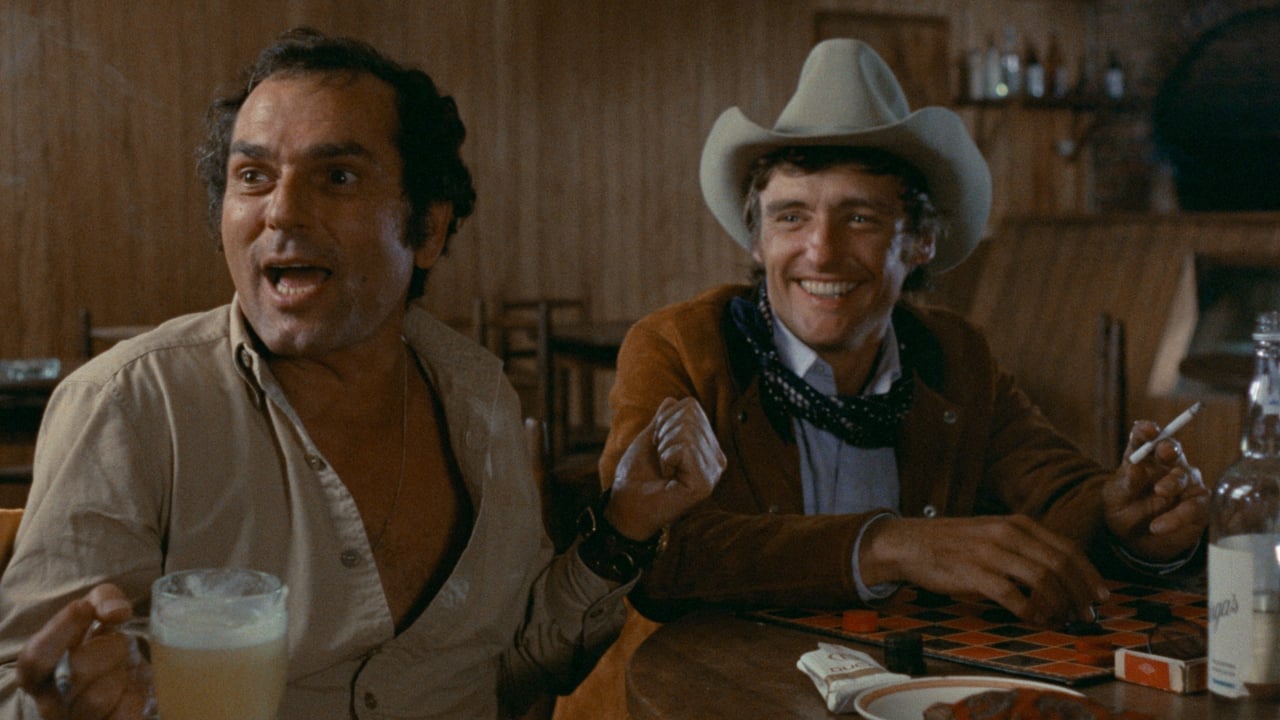
The Last Movie
1971 · Kansas, Director
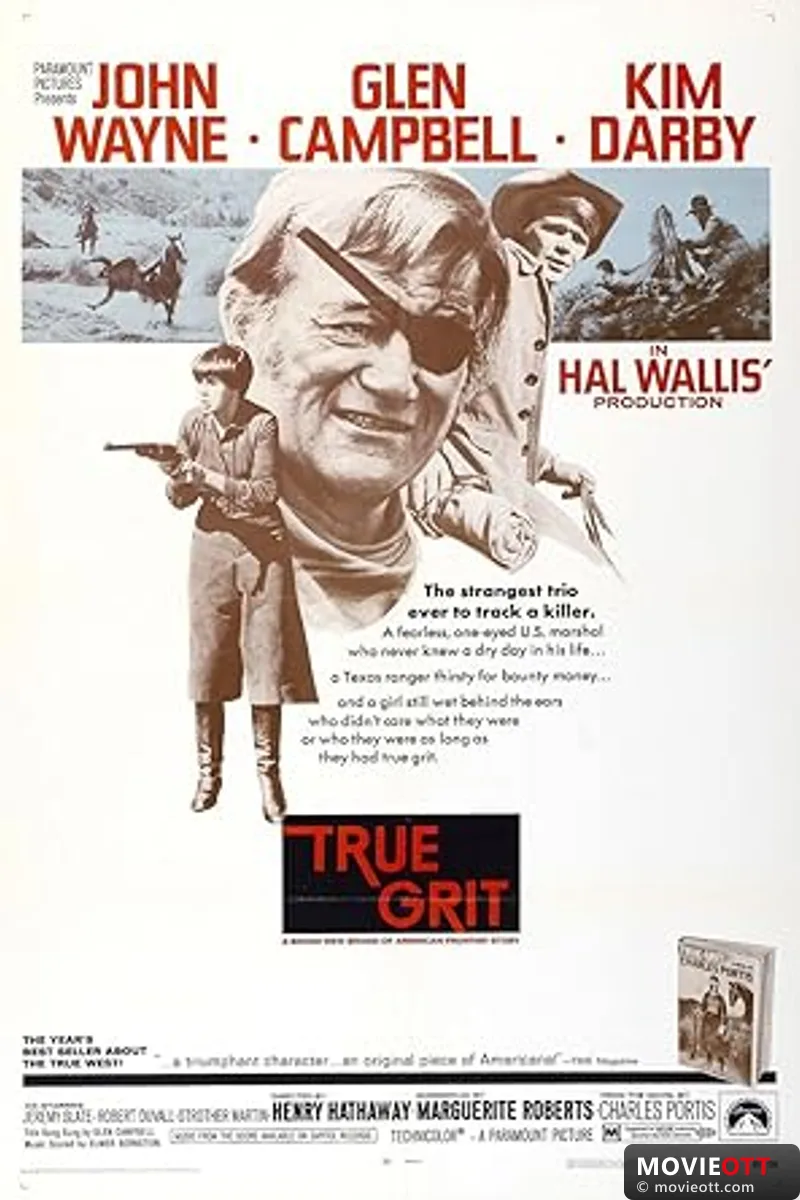
True Grit: A Timeless Western Classic
1969 · Cast
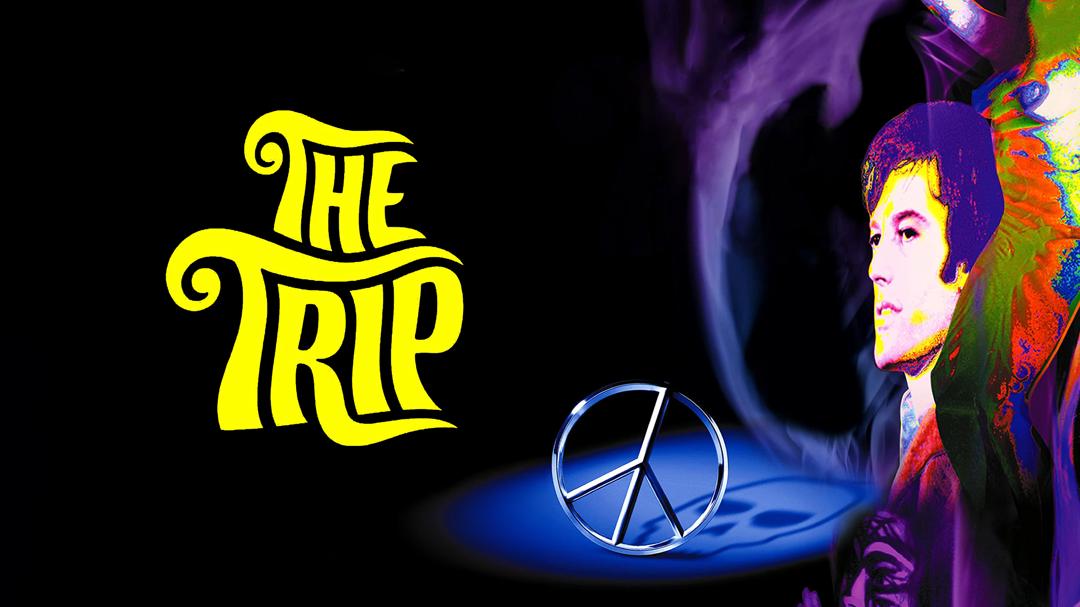
The Trip
1967 · Cast
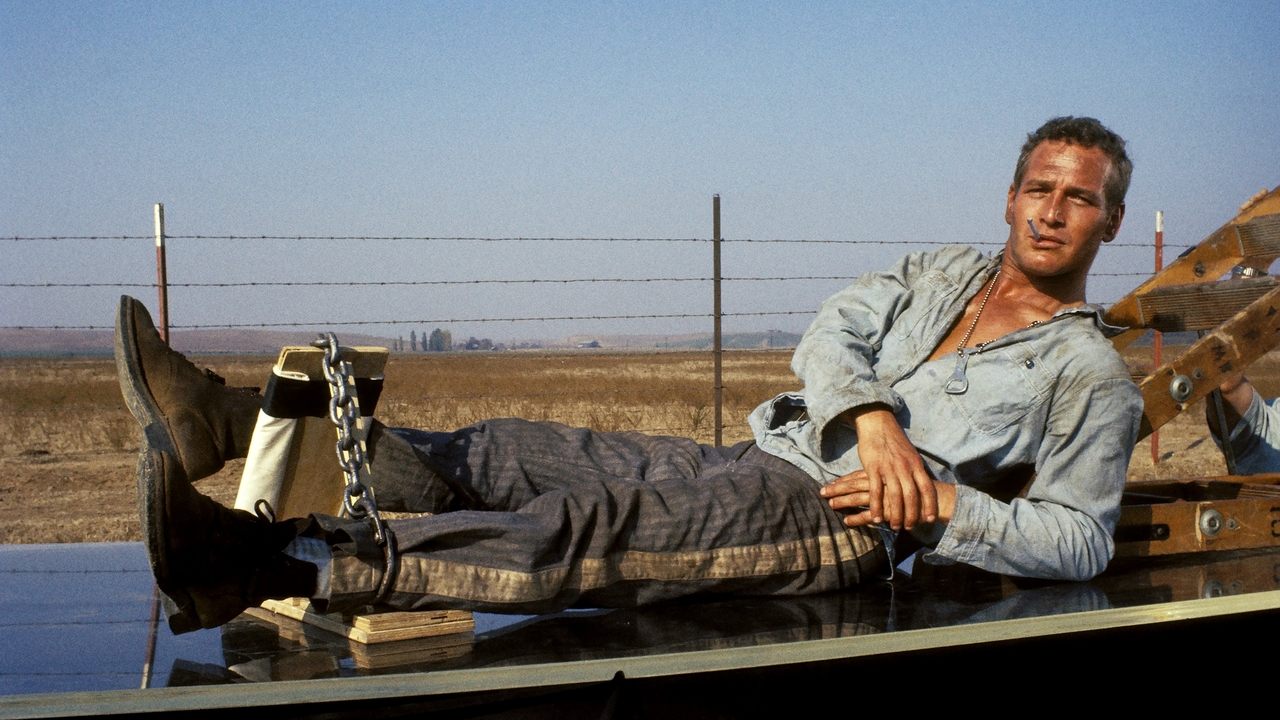
Cool Hand Luke
1967 · Babalugats
Frequently asked questions
When and where was Dennis Hopper born?
Dennis Hopper was born 1936-05-17 in Dodge City, Kansas, USA.
What films is Dennis Hopper known for?
Dennis Hopper has 34 titles indexed on Movie OTT, including Alpha and Omega, An American Carol, Swing Vote.
Where can I watch Dennis Hopper's films?
13 of Dennis Hopper's films are currently streaming, available on Prime Video, Netflix, Amazon Prime Video with Ads, Tubi TV.
Has Dennis Hopper directed any films?
Yes — Dennis Hopper has 4 directorial credits indexed on Movie OTT.
How long has Dennis Hopper been active?
Dennis Hopper's film career on Movie OTT spans from 1967 to 2010 — 43 years of work.