

The story of Catchfire: When a hitman meets his match
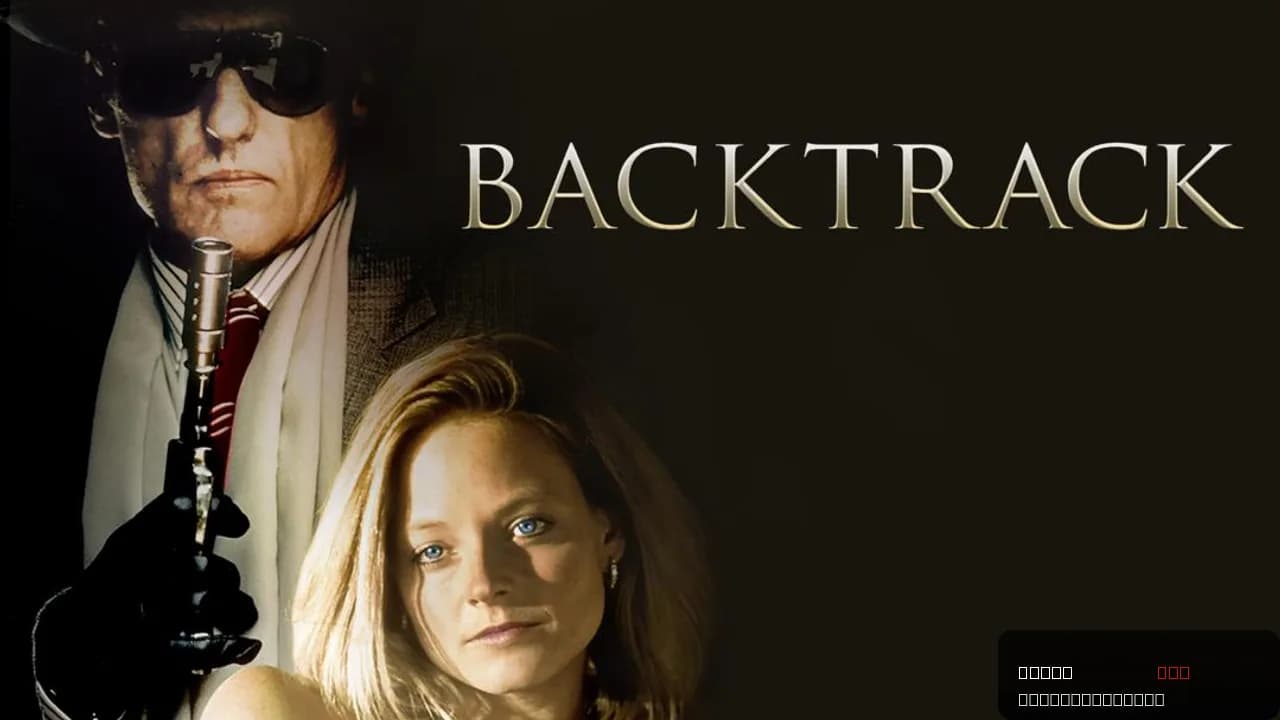
Catchfire tells the deceptively simple story of a contract killer dispatched by the mob to eliminate a woman who's seen too much. She's an artist on the run, someone caught in the wrong place at the wrong time—the kind of witness who usually doesn't make it to the next scene. Except when the hitman (Hopper) finally tracks her down, something shifts. One look is enough to change everything. What starts as a straightforward execution becomes something messier, stranger, and far more human: he decides he wants her love, not her life. From there, the film spirals into a road-movie chase where both the mob and law enforcement close in, forcing this unlikely pair to run together through the American West. It's a high-concept premise that could've played straight, but Catchfire—directed by and starring Hopper himself—has other ideas.
Behind the making of Catchfire and its complicated release history
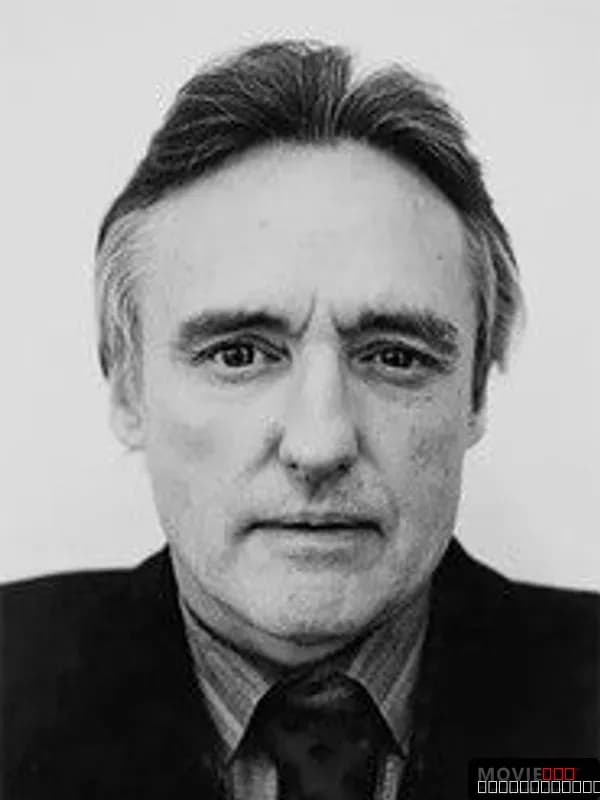
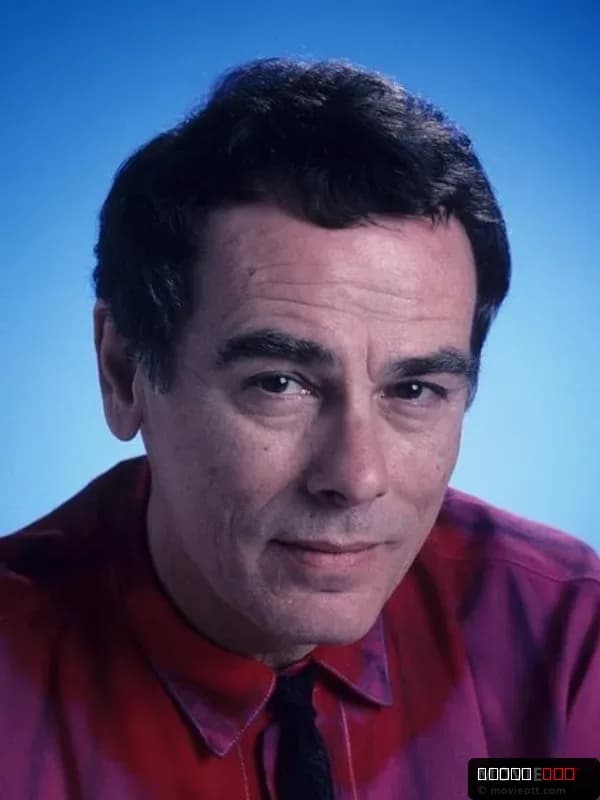
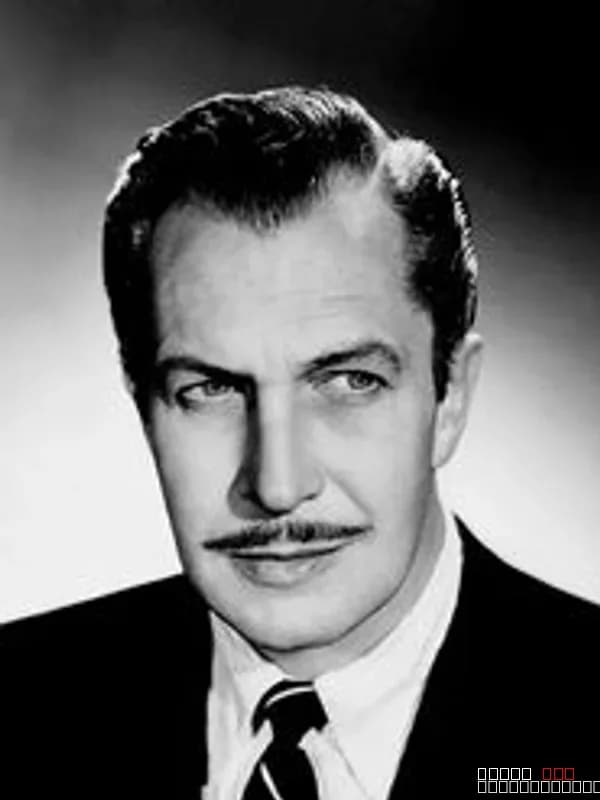
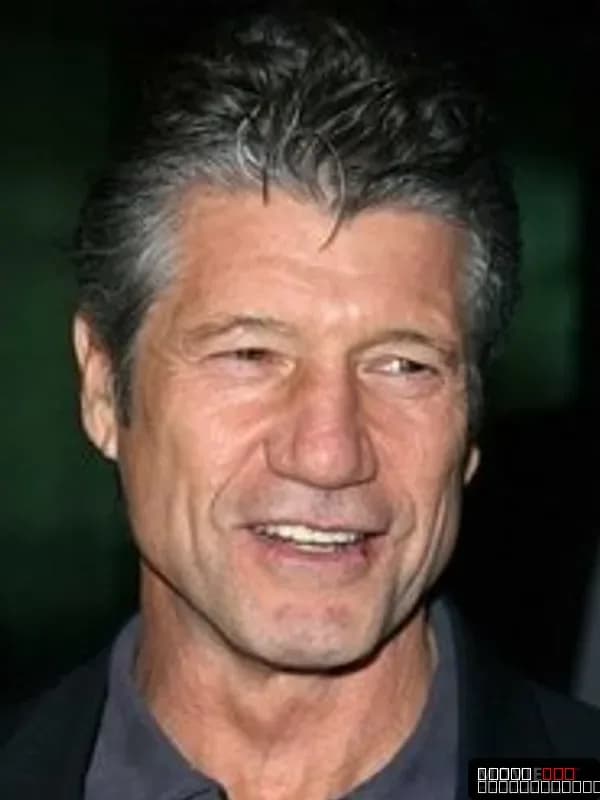
Catchfire's journey to the screen is nearly as tangled as its plot. Hopper both directed and starred in the film, which was shot in 1988 but didn't see wide release until 1990. The production itself was troubled; the original theatrical cut was heavily edited by Vestron, the distributor, and Hopper was so unhappy with the result that he famously disowned the film and had it credited to the pseudonym Alan Smithee—a move that speaks volumes about the creative friction behind the scenes. The version that eventually circulated was actually a European release titled "Catchfire," while the Americanized cut went by "Backtrack." That confusion alone tells you something about how fractured this project became. The cast around Hopper and Foster included Dean Stockwell, Vincent Price, John Turturro, and Fred Ward in substantial roles, with cameos from Charlie Sheen, Joe Pesci, Catherine Keener, and even Bob Dylan—a roster that suggests genuine A-list interest despite the film's eventual struggles. The 99-minute runtime is lean by modern standards, though it doesn't always feel that way; some scenes drag while others move with unexpected momentum. On Movie OTT, you can track where Catchfire streams today, though finding the right cut—director's intent versus theatrical—remains part of the film's ongoing identity crisis.
What makes Catchfire stand out among 1990s crime thrillers
Here's the thing about Catchfire that most critics missed: it's genuinely strange in a way that feels intentional. Hopper's performance is restrained compared to his usual scenery-chewing intensity, which creates an oddly vulnerable space for the character. Foster brings her own prickly energy to the role, and the chemistry between them—awkward, halting, occasionally touching—drives the film's emotional core. What's striking is how the movie refuses to pick a genre and stick with it. It wants to be a mob thriller, a romance, a road movie, and sometimes even a dark comedy, all at once. That tonal instability could've been fatal, but instead it gives the film a kind of dreamlike quality that lingers. There's a scene where Hopper's character plays the saxophone—a moment that feels utterly bizarre and yet somehow perfect for a man trying to express something he can't quite articulate. The supporting cast leans into the film's weirdness; Stockwell and Price especially seem to understand that subtlety isn't the goal here. Variety reported that the film struggled at the box office, partly because audiences didn't know what to make of it, and partly because the marketing couldn't settle on a pitch. But that failure to fit neatly into expectations is also what keeps it interesting now. Movie OTT's tracking of contemporary availability shows that cult films like this one find their audience eventually—not through massive theatrical runs, but through streaming discovery and word-of-mouth reassessment.
Where to stream Catchfire online
Catchfire is currently available on Prime Video, making it accessible to anyone with an Amazon subscription. The "Where to Watch" widget at the top of this page will show you the most up-to-date streaming availability across all platforms, but Prime Video is your main port of entry right now. It's worth noting that what you'll find there is likely the theatrical cut rather than Hopper's preferred version, though that distinction matters less if you're coming to the film fresh. Streaming services don't always specify which cut they're hosting, so there's an element of surprise here—not always a bad thing when approaching a film this divisive. Check the widget to confirm current availability, as streaming rights shift frequently.
Frequently asked questions
Q: Who directed Catchfire and why did he disown it?
Dennis Hopper directed the film, but he had it credited to Alan Smithee after the studio heavily edited the original cut. Hopper was unhappy with Vestron's changes and wanted his name removed from the project entirely.
Q: Is Catchfire based on a true story?
No, Catchfire is a fictional story. The plot about a hitman falling for his target is an original screenplay, not adapted from real events.
Q: What's the difference between Catchfire and Backtrack?
These are two different cuts of the same film. "Catchfire" is the European title and closer to Hopper's vision, while "Backtrack" is the heavily edited American theatrical release. The confusion between the two has dogged the film's reputation since 1990.
Q: Why does the IMDb rating for Catchfire sit at 5.3/10?
The low rating reflects the film's divisive nature—some viewers find it charmingly weird and ahead of its time, while others see it as tonally confused and poorly paced. It's a film that polarizes rather than pleases everyone.
Q: Where can I watch Catchfire right now?
Catchfire is currently streaming on Prime Video. Use the "Where to Watch" widget above to confirm current availability and check for any platform changes.
Final thoughts on Catchfire
Catchfire isn't a great film by conventional measures. The pacing stutters, the tone can't decide what it wants to be, and the editing scars from studio interference are visible if you know where to look. But there's something genuinely compelling about a movie that refuses to apologize for its strangeness. It's a film made by an artist (Hopper) who was willing to play against type, supported by a cast that seemed to get what he was going for. If you're looking for a slick, efficient mob thriller, you'll be disappointed. But if you want something weirder, messier, and more human than the formula usually allows—something that treats a hitman's sudden capacity for love as a genuine crisis rather than a plot device—then Catchfire deserves your time.