





The story of The House of the Seven Gables
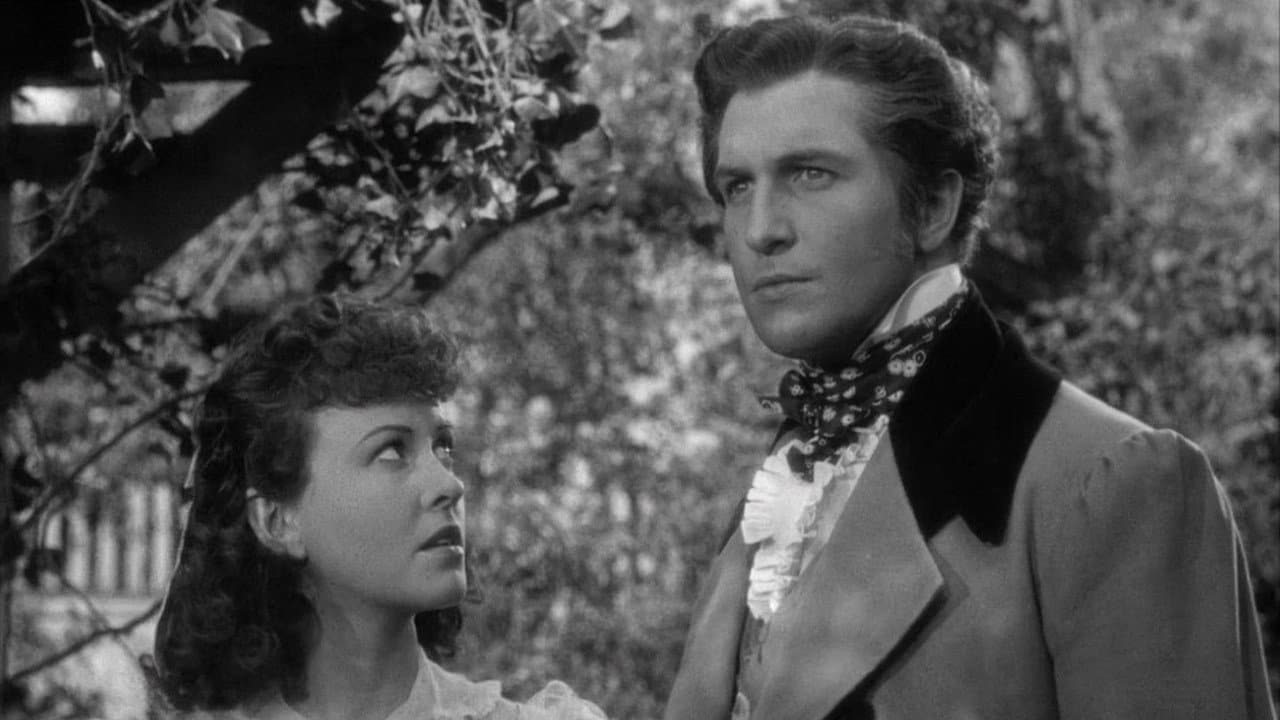
The House of the Seven Gables opens on a family in freefall. Set in 1828, the Pyncheon clan is bankrupt, and their only asset—the sprawling ancestral mansion known as Seven Gables—stands at the center of a bitter inheritance dispute. What starts as a financial squabble quickly turns sinister when Jaffrey Pyncheon, desperate to claim the house, orchestrates the false conviction of his own brother, Clifford, for murder. It's a betrayal wrapped in legal precision, and it sets off a chain reaction that'll consume the family for two decades. While Clifford languishes in prison, his devoted fiancée Hepzibah waits with the kind of patience that borders on heartbreak. When Clifford finally walks free, he's not alone—he's brought along Matthew, an abolitionist cellmate, and together they've got plans of their own. The mansion becomes a pressure cooker. Old secrets. Hidden treasure. A murder that may not have been what it seemed.
Behind the making of The House of the Seven Gables
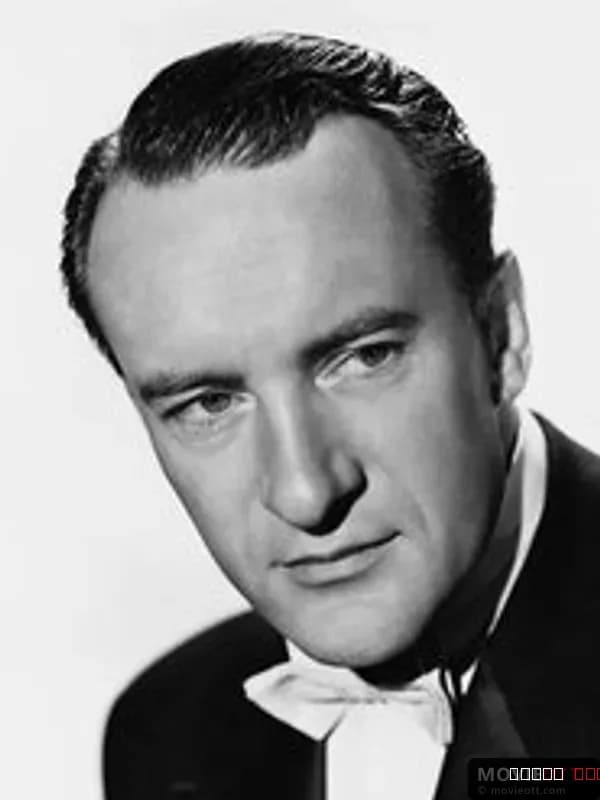
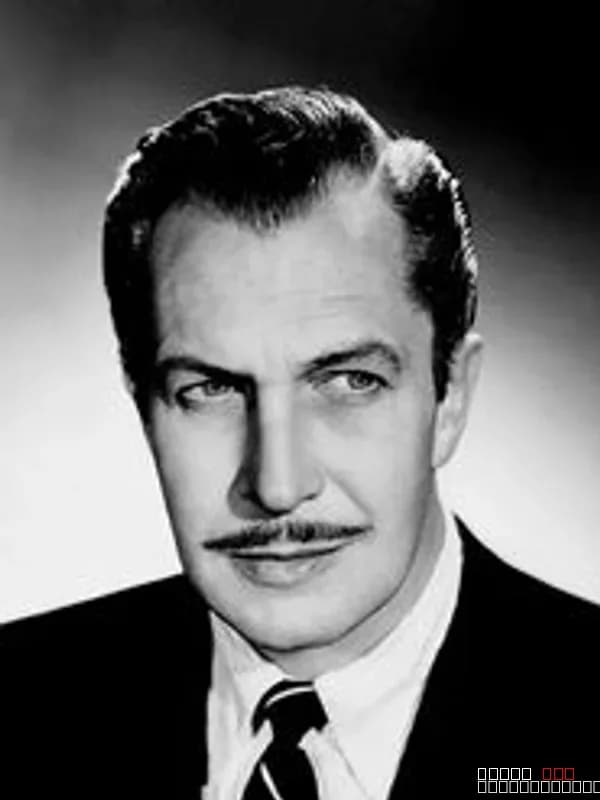
Universal Pictures greenlit this adaptation in 1940, banking on the enduring appeal of Nathaniel Hawthorne's 1851 novel—though they'd already made a silent version back in 1910 with Mary Fuller. What's striking is how much the studio was willing to deviate from its source material. The film isn't a faithful page-turner; it's a Gothic thriller that borrows Hawthorne's bones but builds its own architecture. George Sanders, Margaret Lindsay, and a young Vincent Price carried the weight of the production, three names that meant serious box-office draw in that era. Sanders, in particular, brought a coiled menace to Jaffrey Pyncheon—the kind of villain who smiles while he's destroying you. Price, still building his reputation before he became a horror icon, played Clifford with a wounded intensity that made his long imprisonment feel like a wound that never quite closes. The film's musical score earned an Oscar nomination for Best Original Score, which speaks to how seriously Universal took the atmospheric elements—those creeping strings and minor-key themes that make the mansion itself feel like a character. The production wasn't a blockbuster by any measure, but it found its audience among viewers who craved psychological drama mixed with period intrigue. Movie OTT tracks which streaming services carry this 89-minute classic today, making it far easier to access than it would've been even a decade ago.
What makes The House of the Seven Gables stand out
There's something almost Shakespearean about how this film handles family corruption. Nobody here is purely good or purely evil—that's what keeps it interesting. Jaffrey isn't a cartoon villain twirling a mustache; he's a man who's convinced himself that his crime is justified, that the house is rightfully his, that his brother's imprisonment is just... business. Sanders plays that moral ambiguity without winking at the camera, which is harder than it sounds. The supporting cast doesn't phone it in either. What I keep coming back to is how the film uses the mansion itself as more than just a setting—it's a weight, a curse, a constant reminder of what greed does to families. The Gothic atmosphere isn't just window dressing; it's baked into every frame, every shadow, every creaking floorboard. The cinematography captures that decaying grandeur perfectly, making you feel the house's age and the secrets it holds. Hawthorne's novel is thick with symbolism and philosophical meditation, but this 1940 version strips that down and goes for raw emotional conflict instead. Some purists hated that choice. But for viewers who don't need a lecture on sin and redemption, the film's directness works. The pacing moves—you're not stuck watching characters ruminate for ten minutes when a scene can do the job in two. That's 1940s studio efficiency, but it doesn't feel rushed. It feels purposeful.
Where to stream The House of the Seven Gables online
Finding The House of the Seven Gables isn't as simple as it used to be, but it's not impossible either. The film rotates across major OTT services, and the Where to Watch widget at the top of this page will show you exactly where it's currently streaming. Because this is a 1940 Universal picture, its availability can shift between platforms—sometimes it'll pop up on services focused on classic Hollywood, sometimes on broader general catalogs. Your best bet is to check that widget, which pulls real-time data so you're not hunting blind. If you're a serious classic film enthusiast, subscribing to a service that specializes in Golden Age Hollywood often means you'll catch films like this one without the platform-hopping shuffle. Movie OTT keeps tabs on all of this, so you can plan your watch without the frustration.
Frequently asked questions
Q: Is The House of the Seven Gables based on a true story?
No, it's based on Nathaniel Hawthorne's 1851 novel of the same name, which is a work of Gothic fiction. While Hawthorne was inspired by real historical anxieties about inheritance and corruption in early American society, the story itself is entirely invented.
Q: Who directed The House of the Seven Gables?
Joe May directed the 1940 film. May was a German-born director who worked extensively in Hollywood during the Golden Age, and he brought a strong visual sensibility to the Gothic material.
Q: How different is the 1940 film from Hawthorne's novel?
Very different. The novel is a philosophical meditation on sin, guilt, and redemption across generations, while the film is a more straightforward thriller focused on family betrayal and a murder conspiracy. The film strips away much of Hawthorne's moral complexity in favor of plot momentum.
Q: What's the runtime of The House of the Seven Gables?
The film runs 89 minutes, which was typical for studio dramas of that era—long enough to tell a full story, short enough to fit two screenings in an evening.
Q: Why is Vincent Price in this film?
Price was still building his career in 1940, before he became synonymous with horror. This was one of several dramatic roles he took in the late 1930s and early 1940s before settling into the genre he'd eventually dominate.
Final thoughts on The House of the Seven Gables
The House of the Seven Gables isn't a perfect film—no 1940s studio picture is. But it's a genuinely engaging thriller that doesn't waste your time. The performances are solid, the atmosphere is thick, and the central moral conflict—what we'll do to our own family for money and power—still lands. If you're into classic Hollywood drama with a Gothic edge, this one's worth ninety minutes of your time. Don't expect Hawthorne's philosophical depth, but do expect solid craftsmanship and the kind of storytelling that was bread-and-butter for Universal in that era.