The Story of The Trip: A Descent Into Psychedelia
The Trip follows Paul Groves, a successful television commercial director living in Los Angeles, who finds himself adrift in his own life — successful on the surface but spiritually hollow underneath. When a friend encourages him to try LSD for the first time, Paul accepts, and what unfolds over the next 85 minutes is a hallucinogenic journey through his own psyche. The film doesn't shy away from what the experience actually entails: visions of sex, death, dancing girls, torture chambers, and the fractured logic of a mind fundamentally altered by a powerful drug. It's a film that treats its subject matter with neither moralistic condemnation nor glamorization, instead presenting the acid trip as a genuine, messy, sometimes beautiful, sometimes terrifying exploration of consciousness.
Behind the Making of The Trip: Corman, Nicholson, and the Summer of Love
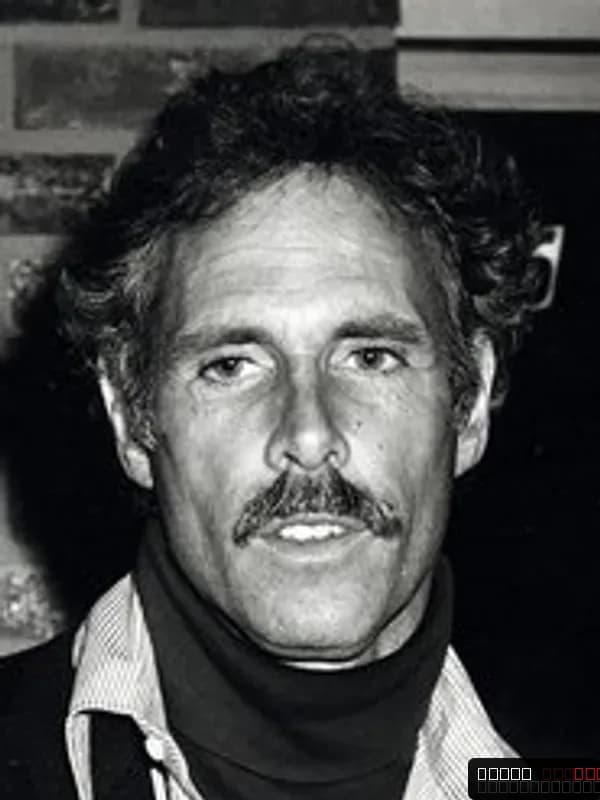
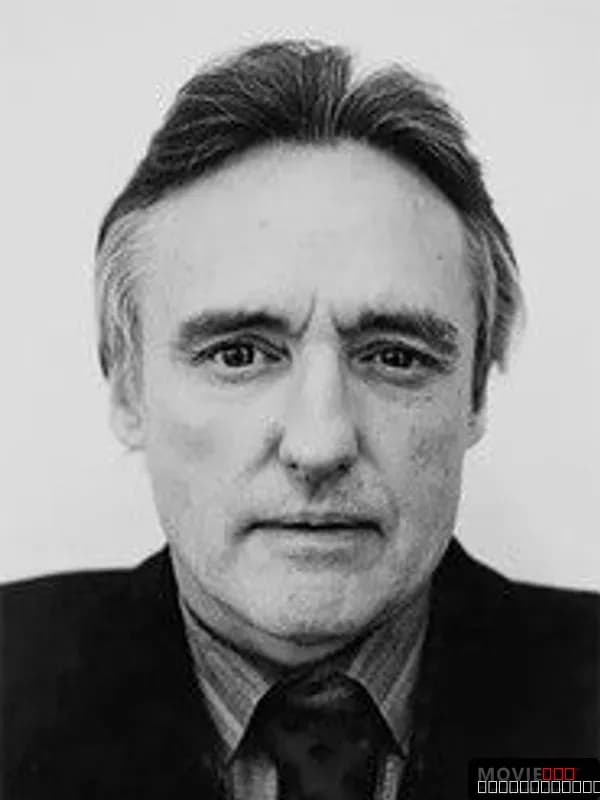
The Trip was produced and directed by Roger Corman, the legendary B-movie impresario who had already built a reputation for low-budget ingenuity and willingness to tackle unconventional subjects. What's striking is that the screenplay came from Jack Nicholson, then still building his career — he wouldn't become a household name until One Flew Over the Cuckoo's Nest in 1975. Nicholson wrote from a place of genuine curiosity about the drug experience, capturing the era's psychedelic zeitgeist without pretense. The film was shot over three weeks in March and April of 1967, on location across Los Angeles and Southern California, including the Hollywood Hills, Laurel Canyon, and near Big Sur. Peter Fonda, son of the legendary Henry Fonda, carries the film with a performance that's both vulnerable and introspective. The supporting cast — including Bruce Dern, Dennis Hopper, and Susan Strasberg — grounds the hallucinatory sequences with recognizable human drama. The MPAA rated it "Approved," a surprisingly permissive decision for a film so explicitly about illegal drug use. While box office numbers were modest, the film found an audience among younger viewers fascinated by the counterculture, and it's remained a touchstone for anyone interested in how mainstream cinema engaged with drug culture during the Summer of Love.
What Makes The Trip Stand Out: Performance and Visual Invention
Critically, The Trip sits at 39% on Rotten Tomatoes, a score that probably says more about critical discomfort with the subject matter than the film's actual craft. The IMDb rating of 6.1 from over 5,500 votes suggests a more forgiving audience — people who've actually watched it tend to find something valuable in its sincerity. What's striking is Peter Fonda's commitment to the role. He doesn't play Paul as a cautionary tale or a fool; instead, he portrays a man genuinely seeking something, even if he's not entirely sure what. The sequences where his consciousness fractures are genuinely unsettling — not through cheap jump scares, but through Corman's willingness to let scenes breathe and distort, to let the camera linger on Fonda's face as his pupils dilate and his sense of reality crumbles. I keep coming back to the fact that this film was made in 1967, right in the thick of the era it depicts, which gives it an immediacy that retrospective treatments can't quite capture. Nicholson's script avoids the trap of making the drug experience either a spiritual awakening or a moral descent; instead, it's messy, contradictory, sometimes enlightening and sometimes just weird. The performances from Dern and Hopper — both playing variations on the experienced trip guide — add texture to what could've been a one-note protagonist's journey. Corman's direction doesn't rely on expensive effects; instead, he uses color, editing, and performance to create the psychedelic atmosphere. It works.
Where to Stream The Trip Online
The Trip is currently available on Prime Video, where it's accessible to anyone with an active subscription. If you're tracking where this film lives across streaming platforms, Movie OTT keeps a running list of current availability — the streaming landscape shifts constantly, and it's worth checking the Where to Watch widget at the top of this page to confirm it's still available on your preferred service. Prime Video's catalog is deep enough that older, cult films like this one tend to stick around, making it a reliable place to find Corman's work alongside more contemporary releases. The 85-minute runtime makes it an easy commitment for a weeknight watch, and the film's visual inventiveness rewards a full-screen experience rather than phone viewing.
Frequently asked questions
Q: Who directed The Trip and who wrote it?
Roger Corman directed The Trip, and the screenplay was written by Jack Nicholson. It was shot over three weeks in March and April 1967 on location across Los Angeles and Southern California.
Q: Is The Trip based on a true story?
No, The Trip is a fictional narrative written by Nicholson that dramatizes the LSD experience rather than depicting any specific person's actual trip. It's a character study set against the backdrop of 1960s drug culture.
Q: What's the plot of The Trip?
The film follows Paul Groves, a TV commercial director who tries LSD for the first time and experiences a hallucinogenic journey through visions of sex, death, and surreal imagery that challenge his perception of reality.
Q: Where can I watch The Trip?
The Trip is currently streaming on Prime Video. Check the Where to Watch widget for the most up-to-date availability across platforms.
Q: What's the critical reception of The Trip?
The film holds a 39% on Rotten Tomatoes but has a 6.1 rating on IMDb from over 5,500 votes, suggesting audiences appreciate it more than critics did upon release. It's considered a cult classic of psychedelic cinema.
Final Thoughts on The Trip: A Time Capsule Worth Revisiting
The Trip isn't a perfect film — the pacing drags in places, and some of the visual effects haven't aged gracefully. But there's something honest about Corman's approach that still resonates. He made a film about drug use without moralizing, without turning it into either a cautionary tale or a recruitment film. Peter Fonda gives a performance that captures genuine human vulnerability. And Nicholson's script, written at the moment the counterculture was at its peak, captures something real about what people were actually seeking in that era — and what they sometimes found instead. If you're interested in how mainstream cinema engaged with the 1960s counterculture, or if you just want to see a genuinely weird piece of cinema history, it's worth your time.