


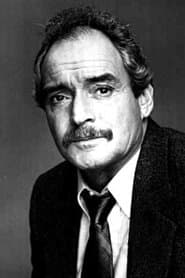
The Story of The Osterman Weekend
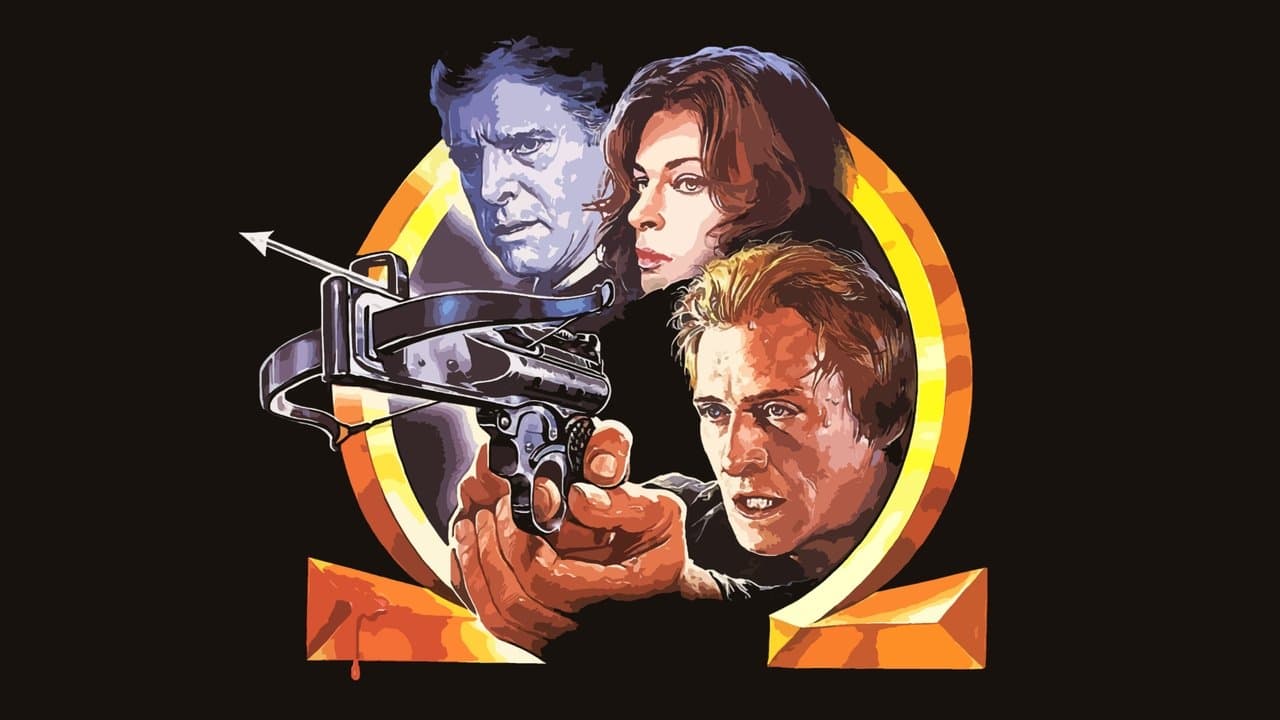
The Osterman Weekend follows John Tanner, a prominent investigative television host, whose quiet country retreat becomes ground zero for a psychological operation gone haywire. When the CIA approaches him with evidence—or what appears to be evidence—that his closest friends are part of a conspiracy threatening national security, Tanner finds himself forced into the role of unwitting spy. His guests arrive for what should be a relaxing weekend in the country, but paranoia metastasizes. Trust evaporates. Every conversation becomes a minefield. The film doesn't simply ask whether Tanner's friends are guilty; it asks something far more unsettling: what happens when an authority figure convinces you that the people you love are your enemies? It's a premise that feels especially relevant in an era of information warfare and institutional manipulation.
Behind the Making of The Osterman Weekend
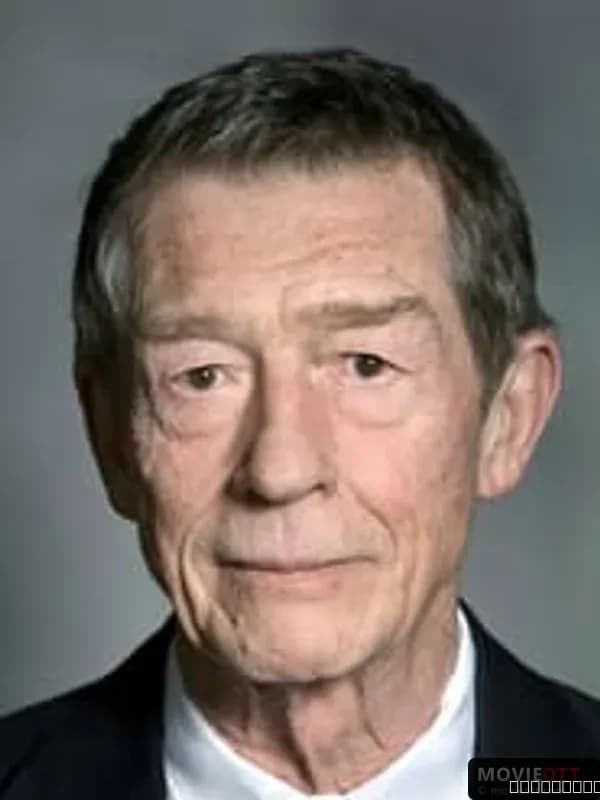
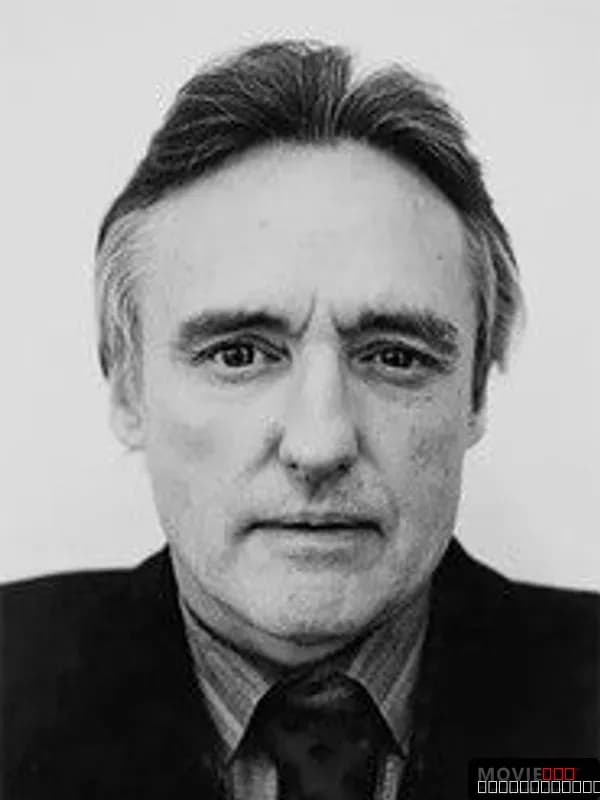
Director Sam Peckinpah—the legendary filmmaker behind The Wild Bunch and Straw Dogs—adapted Robert Ludlum's 1972 novel for the screen, bringing his signature style of kinetic violence and moral ambiguity to what could have been a straightforward spy thriller. The film was produced by Osterman Weekend Associates, Davis-Panzer Productions, and 20th Century Fox, with a runtime of 103 minutes that Peckinpah packed with incident and tension. The cast reads like a who's who of 1980s cinema: Rutger Hauer carries the film as Tanner with his characteristic intensity, while John Hurt, Burt Lancaster, Dennis Hopper, Meg Foster, Helen Shaver, Chris Sarandon, and Craig T. Nelson round out an ensemble that doesn't waste a single moment on screen. Lancaster, in particular, brings gravitas to his role as a CIA operative, lending the film an extra layer of credibility. Though the film didn't become a box office juggernaut, it's the kind of mid-budget thriller that studios were still willing to make in the early 1980s—smart, star-laden, and unafraid to leave audiences unsettled rather than reassured.
What Makes The Osterman Weekend Stand Out
What's striking about The Osterman Weekend is how it weaponizes the weekend itself. This isn't a thriller that relies on car chases or gunfights (though it has those). Instead, Peckinpah understands that the real horror comes from suspicion, from watching friendships corrode in real time under the weight of manufactured doubt. The performances anchor everything. Hauer brings a barely contained desperation to Tanner—you can see him oscillating between belief and disbelief, trying to reconcile what the CIA has told him with what his gut tells him about people he's known for years. Hopper, always magnetic when he's playing men on the edge, is particularly effective here, and the thing nobody mentions is how the film uses these recognizable faces against us; we want to trust these characters because we recognize the actors playing them, but that's precisely the trap Peckinpah sets. The cinematography and editing crackle with paranoid energy—scenes cut with sharp, aggressive precision, conversations overlap, and the weekend itself becomes a pressure cooker where time feels compressed and dangerous. I keep coming back to the film's refusal to give us easy answers about who's actually guilty or what's really happening, which is both its greatest strength and the reason it doesn't always land with mainstream audiences. Hard to say if audiences in 1983 were ready for a thriller that questioned the reliability of its own protagonist so thoroughly.
Where to Stream The Osterman Weekend Online
The Osterman Weekend is currently available on major OTT services, and you can check the streaming availability widget at the top of this page to see exactly which platforms are carrying it right now. Movie OTT tracks where films like this one are streaming across the entire landscape of services, so you won't waste time hunting. Since streaming rights shift regularly, it's worth double-checking the widget before you settle in—the good news is that a film this distinctive tends to cycle through multiple platforms over time, so if it's not on your preferred service today, it likely will be soon. The 103-minute runtime makes it a perfect evening watch, and the film's pacing means you won't find yourself checking your phone halfway through.
Frequently asked questions
Q: Who directed The Osterman Weekend?
Sam Peckinpah, the legendary filmmaker behind The Wild Bunch and Straw Dogs, directed the film in 1983. It was his adaptation of Robert Ludlum's 1972 novel, and it marks one of his final theatrical releases before his death in 1984.
Q: Is The Osterman Weekend based on a true story?
No, it's based on Robert Ludlum's 1972 thriller novel of the same name. While the themes of CIA manipulation and paranoia reflect real historical anxieties of the Cold War era, the plot itself is fictional.
Q: What's the runtime of The Osterman Weekend?
The film runs 103 minutes, a tight length that Peckinpah uses to maintain constant tension and forward momentum throughout the weekend narrative.
Q: Who stars in The Osterman Weekend?
The ensemble cast includes Rutger Hauer as the protagonist John Tanner, alongside John Hurt, Burt Lancaster, Dennis Hopper, Meg Foster, Helen Shaver, Chris Sarandon, and Craig T. Nelson in key roles.
Q: What genre is The Osterman Weekend?
It's classified as an action, drama, and thriller—though it leans heavily into psychological suspense rather than traditional action-movie beats.
Final Thoughts on The Osterman Weekend
The Osterman Weekend isn't a film that tries to please everyone, and that's precisely why it deserves a second look. It's a paranoid, morally murky thriller from a director who understood that cinema could be a weapon for unsettling audiences rather than simply entertaining them. If you're drawn to intelligent genre films that don't wrap everything up neatly, or if you're interested in how 1980s filmmakers were processing Cold War anxieties, this one rewards your attention. Check your streaming availability through Movie OTT and give it a chance—you might find yourself thinking about it long after the credits roll.